Cyflwyniad
Mae cyanidau a nitrilau yn ddau ddosbarth o gyfansoddion cemegol sy'n chwarae rhan hanfodol mewn amrywiol brosesau diwydiannol. Cyanides, a nodweddir gan bresenoldeb y sianid ion (CN⁻), yn cael eu defnyddio mewn ystod eang o gymwysiadau. Er enghraifft, yn y diwydiant mwyngloddio, defnyddir cyanid i echdynnu metelau gwerthfawr fel aur ac arian. Mae'r broses yn cynnwys defnyddio hydoddiannau cyanid i hydoddi'r metelau o'u mwynau, gan fanteisio ar y cymhleth cryf - gallu ffurfio'r ïon cyanid gyda'r metelau hyn. Mae'r dull hwn, a elwir yn cyanidation, yn hynod effeithiol wrth wahanu aur ac arian oddi wrth fwynau eraill, gan ei wneud yn dechneg anhepgor yn y sector mwyngloddio.
Mae nitrilau, ar y llaw arall, sy'n cynnwys y grŵp swyddogaethol - CN, yr un mor bwysig yn y diwydiant cemegol. Fe'u defnyddir wrth gynhyrchu amrywiaeth o gynhyrchion. Wrth weithgynhyrchu ffibrau synthetig, megis y ffibrau acrylig adnabyddus, mae nitrilau yn ddeunyddiau crai allweddol. Polyacrylonitrile, math o bolymer wedi'i wneud o acrylonitrile (nitrile), yw prif gydran ffibrau acrylig. Defnyddir y ffibrau hyn yn eang yn y diwydiant tecstilau oherwydd eu priodweddau dymunol fel cryfder da, ymwrthedd i olau'r haul, a chynnal a chadw hawdd. Defnyddir nitrilau hefyd wrth synthesis plastigau, rwber a fferyllol. Yn y diwydiant fferyllol, maent yn ganolradd bwysig wrth gynhyrchu llawer o gyffuriau, gan gyfrannu at ddatblygiad meddyginiaethau sy'n trin afiechydon amrywiol.
Fodd bynnag, er gwaethaf eu cymwysiadau diwydiannol helaeth, cyanidau ac mae nitrilau hefyd yn enwog am eu gwenwyndra uchel. Mae cyanidau ymhlith y gwenwynau sy'n gweithredu gyflymaf y mae pobl yn gwybod amdanynt. Gall hyd yn oed ychydig bach o cyanid fod yn angheuol. Pan fydd cyanid yn mynd i mewn i'r corff, mae'n clymu i cytochrome c oxidase, ensym sy'n hanfodol ar gyfer resbiradaeth cellog. Mae'r rhwymiad hwn yn amharu ar swyddogaeth arferol yr ensym, gan atal celloedd rhag defnyddio ocsigen yn effeithiol. O ganlyniad, nid yw celloedd yn gallu cynhyrchu ynni, gan arwain at farwolaeth celloedd cyflym ac, mewn achosion difrifol, marwolaeth yr organeb. Mae nitrilau, er eu bod yn gyffredinol yn llai gwenwynig na syanidau, yn dal i allu achosi niwed sylweddol i iechyd pobl. Gellir eu hamsugno trwy'r croen, y system resbiradol, neu'r llwybr treulio, a gall dod i gysylltiad â lefelau uchel o nitrilau arwain at symptomau fel cyfog, chwydu, cur pen, ac mewn achosion eithafol, niwed i'r system nerfol ac organau hanfodol eraill.
O ystyried eu defnydd eang mewn diwydiannau a'u potensial i achosi niwed i iechyd pobl a'r amgylchedd, mae'n hanfodol cael dealltwriaeth gynhwysfawr o syanidau a nitrilau. Mae hyn yn cynnwys gwybodaeth am eu priodweddau cemegol, cymwysiadau diwydiannol, mecanweithiau gwenwyndra, a mesurau diogelwch ar gyfer trin a gwaredu. Yn yr adrannau a ganlyn, byddwn yn ymchwilio'n ddyfnach i bob un o'r agweddau hyn i ddarparu golwg fanylach ar y cyfansoddion cemegol pwysig ond a allai fod yn beryglus.
Dosbarthiad a Phriodweddau Sylfaenol
Cyfansoddion Cyanid
Mae hydrogen cyanid (HCN) yn nwy di-liw gydag arogl chwerw - almon nodweddiadol. Fodd bynnag, mae'n bwysig nodi na all cyfran sylweddol o'r boblogaeth, tua 20 - 40% o bobl, ganfod yr arogl hwn oherwydd nodwedd enetig. Mae'n hydawdd iawn mewn dŵr, alcohol ac ether. Mae hydrogen cyanid yn hynod gyfnewidiol ac mae ganddo bwynt berwi o 25.7 °C yn unig. Mae'r anweddolrwydd hwn yn ei gwneud hi'n hawdd gwasgaru yn yr awyr. Yn yr awyr, pan fydd ei grynodiad yn cyrraedd 5.6% - 12.8%, mae'n ffurfio cymysgedd ffrwydrol, sy'n fygythiad difrifol mewn lleoliadau diwydiannol lle gallai fod yn bresennol. Gelwir ei hydoddiant dyfrllyd asid hydrocyanig, sy'n asid gwan ond yn dal yn hynod wenwynig.
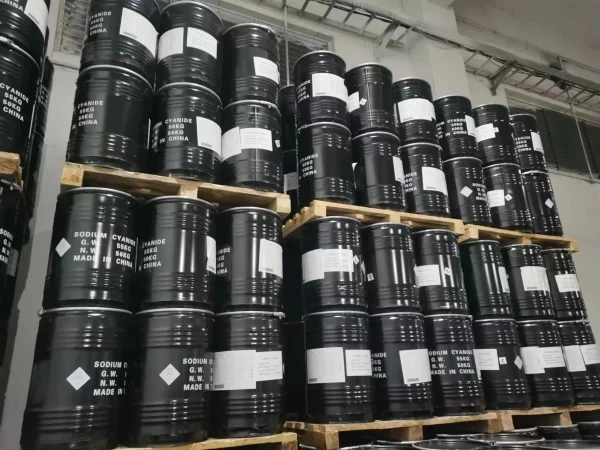
Mae sodiwm cyanid (NaCN) a photasiwm cyanid (KCN) ill dau yn solidau crisialog gwyn. Mae gan sodiwm cyanid ymdoddbwynt o 563.7 ° C a phwynt berwi o 1496 ° C, tra bod gan botasiwm cyanid ymdoddbwynt o 634.5 ° C. Maent yn hydawdd iawn mewn dŵr. Mewn aer llaith, y ddau Sodiwm cyanid a gall potasiwm cyanid hydrolyze i gynhyrchu hydrogen cyanid, a dyna pam mae ganddynt hefyd arogl chwerw gwan - almon. Mae'r ddau gyfansoddyn hyn ymhlith y cyanidau mwyaf adnabyddus a hynod wenwynig. Gall hyd yn oed swm bach, cyn lleied ag ychydig miligramau, fod yn angheuol os caiff ei lyncu neu ei anadlu.
Cyfansoddion Nitrile
Mae acetonitrile (CH₃CN), y nitril symlaf, yn hylif di-liw gydag arogl nodweddiadol, braidd yn aromatig. Mae'n gymysgadwy â dŵr ac ystod eang o doddyddion organig fel methanol, ethanol, ac aseton. Mae'r hydoddedd uchel hwn mewn toddyddion pegynol a heb fod yn begynol yn ei wneud yn doddydd defnyddiol mewn llawer o brosesau cemegol, yn enwedig ym meysydd cromatograffaeth a synthesis organig. Mae ganddo bwynt berwi cymharol isel o 81.6 ° C, sy'n caniatáu anweddu a gwahanu hawdd mewn rhai cymwysiadau diwydiannol. Fodd bynnag, mae hefyd yn fflamadwy, a gall ei anwedd ffurfio cymysgeddau ffrwydrol ag aer yn yr ystod o 3.0% - 16.0% yn ôl cyfaint.
Mae propionitrile (C₂H₅CN) yn gyfansoddyn nitril arall. Mae'n hylif di-liw gydag arogl tebyg i ether. Mae ganddo bwynt toddi o - 92.78 °C a berwbwynt o 97.1 °C. Mae propionitrile yn hydawdd mewn dŵr i raddau (tua 10.3% ar 25 ° C) ac mae hefyd yn gymysgadwy â thoddyddion organig cyffredin fel alcoholau ac etherau. Fe'i defnyddir mewn amrywiol adweithiau synthesis organig, er enghraifft, fel toddydd neu ganolradd wrth gynhyrchu fferyllol a chemegau mân eraill.
Mae acrylonitrile (CH₂=CHCN) yn hylif di-liw gydag arogl serth ac asidig. Mae'n hydawdd mewn dŵr, yn ogystal ag mewn toddyddion organig fel ethanol, ether, a bensen. Mae acrylonitrile yn gemegyn diwydiannol pwysig iawn. Mae ganddo bwynt berwi o 77.3 °C ac mae'n adweithiol iawn oherwydd presenoldeb y bond dwbl a'r grŵp nitril. Fe'i defnyddir yn bennaf wrth gynhyrchu ffibrau acrylig, rwber synthetig, a phlastigau. Er enghraifft, polyacrylonitrile, sy'n cael ei wneud o acrylonitrile, yw prif gydran ffibrau acrylig. Fodd bynnag, mae acrylonitrile hefyd yn hynod wenwynig. Mae ei anwedd yn niweidiol os caiff ei anadlu, a gall hefyd gael ei amsugno trwy'r croen, gan achosi problemau iechyd difrifol.
Y cysylltiad allweddol rhwng cyanidau a nitrilau yw presenoldeb y grŵp - CN. Fodd bynnag, mae eu priodweddau cemegol a ffisegol yn wahanol mewn rhai agweddau. Cyanidau, yn enwedig y syanidau anorganig syml fel hydrogen cyanid, Sodiwm Cyanid, a photasiwm cyanid, yn gyffredinol yn fwy acíwt wenwynig na nitrilau. Mae nitrilau yn fwy sefydlog mewn llawer o adweithiau cemegol o gymharu â'r ïonau cyanid adweithiol iawn mewn cyfansoddion cyanid. Hefyd, gall y cyflyrau ffisegol a phatrymau hydoddedd amrywio'n sylweddol rhwng gwahanol cyanid a cyfansoddion nitrile, sy'n hanfodol i'w hystyried mewn cymwysiadau diwydiannol a gweithdrefnau trin diogelwch.
Cymwysiadau mewn Diwydiant
Mwyngloddio a Meteleg
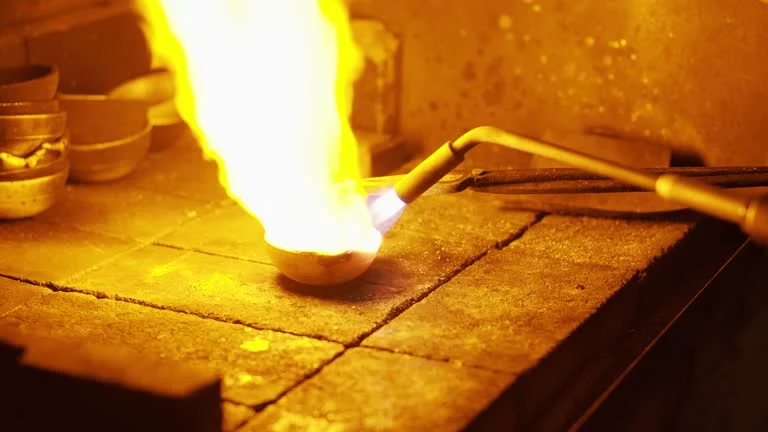
Yn y diwydiant mwyngloddio, mae cyanidau yn chwarae rhan ganolog wrth echdynnu metelau gwerthfawr, yn enwedig aur ac arian. Mae'r broses, a elwir yn cyanidation, yn seiliedig ar allu ïonau cyanid i ffurfio cyfadeiladau sefydlog gydag aur ac arian. Er enghraifft, mewn gweithrediad mwyngloddio aur nodweddiadol, aur wedi'i falu - mae mwynau dwyn yn cael eu cymysgu â hydoddiant gwanedig o sodiwm cyanid. Gellir cynrychioli'r adwaith cemegol fel a ganlyn:
4Au + 8NaCN+O_{2}+2H_{2}O = 4Na[Au(CN)_{2}]+4NaOH
Mae'r adwaith hwn yn hydoddi'r aur ar ffurf cymhlyg hydawdd, sodiwm dicyanoaurate(I). Yna gellir gwahanu'r hydoddiant sy'n cynnwys aur oddi wrth y gweddillion mwyn, ac yna adennill yr aur o'r hydoddiant, yn aml trwy brosesau fel dyddodiad sinc neu arsugniad carbon. Mae'r dull hwn yn hynod effeithiol wrth echdynnu aur o fwynau gradd isel, sy'n ei gwneud yn dechneg safonol diwydiant mewn llawer o ranbarthau mwyngloddio aur ledled y byd.
Yn y diwydiannau meteleg ac electroplatio, defnyddir cyanidau hefyd am eu priodweddau unigryw mewn dyddodiad metel. Er enghraifft, mewn prosesau electroplatio fel platio copr, platio aur, a phlatio arian, weithiau mae electrolytau sy'n seiliedig ar gyanid yn cael eu ffafrio. Mewn electroplatio arian, defnyddir potasiwm cyanid yn aml yn y bath platio. Mae'r ïonau cyanid yn ffurfio cymhlygion ag ïonau arian ( ), megis . Mae'r ffurfiad cymhleth hwn yn helpu i reoli cyfradd dyddodi arian ar y swbstrad. Pan fydd cerrynt trydan yn cael ei basio trwy'r bath electroplatio, mae'r ïonau arian yn y cymhlyg yn cael eu lleihau yn y catod (y gwrthrych yn cael ei blatio) a'i adneuo fel haen denau o fetel arian. Mae hyn yn arwain at orchudd arian llyfn, unffurf a glynu. Gall defnyddio cyanid mewn electroplatio wella ansawdd y platio, gan ddarparu gwell adlyniad, disgleirdeb, a gwrthiant cyrydiad o'i gymharu â rhai dulliau platio di-cyanid.
Synthesis Cemegol
Mae cyanidau a nitrilau yn flociau adeiladu pwysig mewn synthesis cemegol. Wrth gynhyrchu monomerau resin amrywiol, megis resinau acrylig a resinau methacrylig, mae cyanidau a nitrilau yn ymwneud ag adweithiau cemegol allweddol. Er enghraifft, mae acrylonitrile, cyfansoddyn nitrile, yn fonomer hanfodol wrth synthesis ffibrau acrylig a phlastigau polyacrylonitrile. Gellir polymeru acrylonitrile i ffurfio polyacrylonitrile (PAN) trwy adwaith polymerization rhad ac am ddim - radical. Mae'r adwaith yn cael ei gychwyn gan ysgogydd addas, ac mae'r bond dwbl mewn acrylonitrile yn cael ei dorri, gan ganiatáu i'r monomerau gysylltu â'i gilydd i ffurfio cadwyni polymer hir. Mae gan y polyacrylonitrile canlyniadol briodweddau rhagorol megis cryfder uchel, ymwrthedd cemegol da, a phwynt toddi uchel, gan ei gwneud yn addas ar gyfer cymwysiadau yn y diwydiannau tecstilau a phlastig.
Yn y diwydiant fferyllol, defnyddir nitrilau fel canolradd wrth synthesis llawer o gyffuriau. Gellir eu trosi'n grwpiau swyddogaethol eraill megis amidau, asidau carbocsilig, neu aminau trwy adweithiau cemegol amrywiol. Er enghraifft, gellir hydrolysu grŵp nitrile i ffurfio grŵp asid carbocsilig. Defnyddir y trawsnewid hwn yn aml wrth synthesis cyffuriau lle mae angen grŵp gweithredol asid carbocsilig ar gyfer gweithgaredd y cyffur neu ar gyfer addasiadau cemegol pellach. Yn ogystal, gellir defnyddio cyanidau wrth synthesis rhai cyfansoddion heterocyclic, sy'n gydrannau pwysig mewn llawer o gyffuriau fferyllol.
Defnyddir nitrilau hefyd yn y synthesis o ychwanegion bwyd. Gellir trosi rhai cyfansoddion sy'n cynnwys nitril yn gyfryngau blas - gwella neu gadwol. Er enghraifft, gellir ocsideiddio rhai nitrilau a'u hadweithio ymhellach i ffurfio cyfansoddion â blasau dymunol, a ddefnyddir wedyn yn y diwydiant bwyd i wella blas bwydydd wedi'u prosesu.
Gwenwyndra a Pheryglon
Gwenwyndra Acíwt
Mae cyanidau yn sylweddau gwenwynig iawn. Pan fydd llawer iawn o cyanid yn cael ei lyncu neu grynodiad uchel o nwy cyanid yn cael ei anadlu, mae'r canlyniadau'n aml yn drychinebus. Mewn achosion o'r fath, amharir yn gyflym ar swyddogaethau ffisiolegol arferol y corff. Mae'r symptomau mwyaf cyffredin ac uniongyrchol yn cynnwys colli ymwybyddiaeth yn sydyn. Gall y dioddefwr gwympo i'r llawr o fewn eiliadau, gan fod y system nerfol ganolog yn cael ei heffeithio'n ddifrifol. Mae eu disgyblion yn ymledu'n gyflym, sy'n arwydd o anallu'r corff i reoli ei swyddogaethau mewnol. Dilynir hyn gan gonfylsiynau, lle mae'r corff yn profi cyfangiadau cyhyrau anwirfoddol a threisgar. Mae'r confylsiynau hyn yn ganlyniad i amhariad ar y cyfathrebu nerf - cyhyr arferol, sy'n hanfodol ar gyfer symudiad cydgysylltiedig y corff.
Mae'r system resbiradol hefyd dan fygythiad difrifol. Mae'r dioddefwr yn profi anadlu cyflym a bas, neu mewn rhai achosion, ataliad anadlol llwyr. Mae hyn oherwydd bod cyanid yn clymu i cytochrome c oxidase yn y celloedd, gan atal y defnydd arferol o ocsigen yn y broses o resbiradaeth cellog. O ganlyniad, mae'r celloedd yn cael eu newynu o ocsigen, gan arwain at fethiant organau hanfodol fel yr ymennydd a'r galon. Heb ymyrraeth feddygol ar unwaith, gall marwolaeth ddigwydd o fewn munudau.
Gall nitrilau, yn enwedig pan gânt eu hanadlu neu eu hamsugno mewn crynodiadau uchel, achosi gwenwyndra acíwt hefyd. Er enghraifft, gall acrylonitrile, cyfansoddyn nitrile cyffredin, achosi llid ar unwaith i'r llwybr anadlol. Ymhlith y symptomau mae peswch, diffyg anadl, a theimlad llosgi yn y gwddf a'r frest. Mewn achosion difrifol, gall arwain at oedema ysgyfeiniol, lle mae'r ysgyfaint yn llenwi â hylif, gan ei gwneud hi'n amhosibl i'r corff gyfnewid ocsigen a charbon deuocsid yn effeithiol. Gall hyn symud ymlaen yn gyflym i fethiant anadlol a marwolaeth os na chaiff ei drin yn brydlon.
Gwenwyndra Cronig
Gall amlygiad hirdymor i cyanidau crynodiad isel arwain at wenwyno cronig. Dros amser, mae'r corff yn cronni cyanid gan nad yw'n cael ei ddileu'n llwyr. Un o'r symptomau cynnar yw teimlad o fferdod yn y tafod a'r gwefusau. Mae cur pen parhaus a phendro yn cyd-fynd â hyn yn aml, a all fod yn ysgafn ar y dechrau ond yn dod yn fwy difrifol yn raddol. Gall dioddefwyr hefyd brofi cyfog, chwydu, ac ymdeimlad cyffredinol o anghysur yn rhan uchaf yr abdomen.
Mae anhwylderau cysgu, fel anhunedd, yn gyffredin. Mae lefelau egni'r corff yn disbyddu, gan arwain at flinder a gwendid yn yr aelodau. Mae hyn yn ei gwneud hi'n anodd i'r person yr effeithir arno gyflawni gweithgareddau corfforol arferol. Mae'r system gardiofasgwlaidd hefyd yn cael ei effeithio, gyda gostyngiad amlwg mewn pwysedd gwaed. Mewn rhai achosion, gall amlygiad cyanid cronig arwain at niwed i'r chwarren thyroid, gan amharu ar gydbwysedd hormonaidd a metaboledd y corff.
Gall amlygiad cronig i nitrilau hefyd gael goblygiadau iechyd difrifol. Er enghraifft, gall amlygiad hirdymor i acrylonitrile achosi niwed i'r system nerfol. Gall hyn arwain at niwroopathi ymylol, lle mae'r nerfau yn yr eithafion yn cael eu heffeithio. Ymhlith y symptomau mae diffyg teimlad, goglais, a cholli teimlad yn y dwylo a'r traed. Efallai y bydd gwendid yn y cyhyrau hefyd ac anhawster wrth gydlynu symudiadau. Yn ogystal, mae amlygiad cronig i nitrilau penodol wedi'i gysylltu â risg uwch o ddatblygu rhai mathau o ganser, er bod yr union fecanweithiau'n dal i gael eu hastudio.
Peryglon Amgylcheddol
Mae syanidau a nitrilau yn fygythiadau sylweddol i'r amgylchedd. Pan gânt eu rhyddhau i gyrff dŵr, gallant gael effaith ddinistriol ar fywyd dyfrol. Hyd yn oed ar grynodiadau isel, mae cyanidau yn wenwynig iawn i bysgod ac organebau dyfrol eraill. Er enghraifft, pan fydd cyanid - sy'n cynnwys dŵr gwastraff diwydiannol yn cael ei ollwng i afonydd neu lynnoedd heb driniaeth briodol, gall achosi marwolaethau màs pysgod. Mae'r cyanid yn rhwymo i dagellau'r pysgod, gan atal cyfnewid arferol ocsigen a charbon deuocsid, gan arwain at fygu.
Gall nitrilau, fel acrylonitrile, hefyd halogi ffynonellau dŵr. Gallant barhau yn y dŵr am amser hir, gan effeithio ar ansawdd y dŵr a'i wneud yn anaddas i'w fwyta gan bobl a defnyddiau eraill. Yn ogystal, gall y cyfansoddion hyn gael eu hamsugno gan blanhigion dyfrol, a all wedyn basio'r tocsinau i fyny'r gadwyn fwyd, gan effeithio ar organebau lefel uwch.
Yn y pridd, gall cyanidau a nitrilau gronni dros amser. Gall hyn arwain at lygredd pridd, a all atal tyfiant planhigion. Gall y tocsinau ymyrryd â phrosesau ffisiolegol arferol planhigion, megis ffotosynthesis a chymeriant maetholion. O ganlyniad, gellir lleihau cynhyrchiant amaethyddol yn ddifrifol. Yn ogystal, gall presenoldeb y cyfansoddion gwenwynig hyn yn y pridd hefyd effeithio ar ficro-organebau'r pridd, sy'n hanfodol ar gyfer cynnal ffrwythlondeb a strwythur y pridd. Gall yr amhariad hwn ar ecosystem y pridd gael canlyniadau pellgyrhaeddol i iechyd cyffredinol yr amgylchedd.
Atal ac Amddiffyn
Rheolaeth Peirianneg
Un o'r mesurau rheoli peirianneg sylfaenol yw diwygio'r broses gynhyrchu. Er enghraifft, yn y diwydiant electroplatio, gall mabwysiadu technoleg electroplatio cyanid leihau'n sylweddol y defnydd o gyfansoddion cyanid gwenwynig iawn. Mae prosesau electroplatio traddodiadol yn aml yn dibynnu ar electrolytau sy'n seiliedig ar cyanid, ond gyda datblygiad technoleg, mae datrysiadau electroplatio rhad ac am ddim cyanid newydd wedi'u datblygu. Mae'r atebion hyn yn defnyddio asiantau cymhlethu amgen ac ychwanegion i gyflawni ansawdd platio tebyg neu hyd yn oed yn well heb y risgiau sy'n gysylltiedig â cyanid.
Yn ogystal â diwygio prosesau, mae gweithredu system gweithredu dolen gaeedig yn hollbwysig. Mewn cyfleusterau lle defnyddir cyanidau a nitrilau, megis mewn gweithfeydd cemegol neu ffatrïoedd prosesu metel, dylai'r holl offer cynhyrchu gael eu dylunio i fod yn aerglos. Mae hyn yn atal gollyngiadau nwyon neu hylifau gwenwynig i'r amgylchedd cyfagos. Er enghraifft, mewn cyanid - gan ddefnyddio aur - gweithrediad mwyngloddio, dylai'r cyanid - sy'n cynnwys tanciau storio datrysiadau a'r offer echdynnu gael eu selio'n dynn, a dylid archwilio piblinellau yn rheolaidd am unrhyw arwyddion o ollyngiad.
Mae systemau awyru a gwacáu hefyd yn chwarae rhan hanfodol wrth reoli crynodiad sylweddau gwenwynig yn yr aer. Mewn gweithleoedd lle gall nwy hydrogen cyanid fod yn bresennol, megis mewn rhai gweithfeydd gweithgynhyrchu cemegol, dylid gosod systemau awyru mecanyddol pwerus. Gall y systemau hyn gael gwared ar yr aer llygredig yn barhaus a rhoi awyr iach yn ei le. Dylid cyfrifo'r gyfradd awyru yn ofalus yn seiliedig ar faint y gweithle, faint o sylweddau gwenwynig a ddefnyddir, a'r potensial ar gyfer eu rhyddhau. Er enghraifft, mewn gweithdy electroplatio ar raddfa fach lle gellir cynhyrchu hydrogen cyanid yn ystod y broses blatio, dylid dylunio'r system awyru i gynnal y crynodiad hydrogen cyanid yn yr aer yn is na'r crynodiad uchaf a ganiateir (MAC), sy'n aml yn cael ei osod ar lefel isel iawn, megis 0.3mg/m³, i sicrhau diogelwch gweithwyr.
Amddiffyn Personol
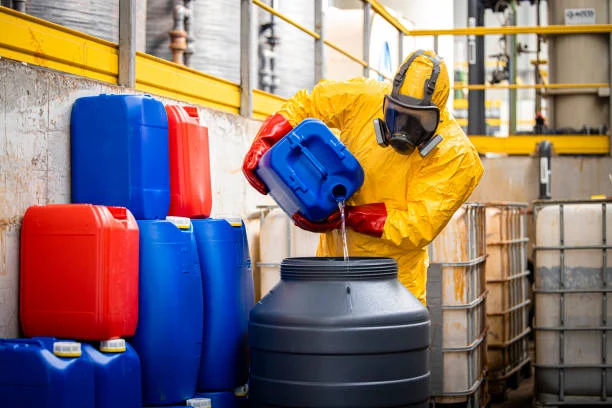
Mae offer amddiffynnol personol (PPE) yn hanfodol ar gyfer gweithwyr a allai fod yn agored i syanidau a nitrilau. Mae anadlyddion yn ddarn allweddol o PPE. Ar gyfer gweithwyr mewn amgylcheddau sydd â risg uchel o anadlu nwyon gwenwynig, megis cynhyrchu acrylonitrile lle mae'r anwedd yn hynod niweidiol, efallai y bydd angen offer anadlu hunangynhwysol (SCBA) mewn achosion o amlygiad crynodiad uchel neu yn ystod sefyllfaoedd brys. Ar gyfer amgylcheddau llai - difrifol ond dal yn beryglus, gellir defnyddio anadlyddion puro aer gyda hidlwyr priodol. Mae'r hidlwyr hyn wedi'u cynllunio i dynnu halogion penodol, fel anweddau cyanid neu nitril, o'r aer y mae'r gweithiwr yn ei anadlu.
Mae menig sy'n gwrthsefyll cemegolion hefyd yn hollbwysig. Dylai gweithwyr sy'n trin cyanid - sy'n cynnwys hydoddiannau neu gemegau sy'n seiliedig ar nitril - wisgo menig wedi'u gwneud o ddeunyddiau a all wrthsefyll effeithiau cyrydol a threiddiol y sylweddau hyn. Er enghraifft, mae menig wedi'u gwneud o rwber butyl neu rwber nitril yn aml yn cael eu defnyddio gan fod ganddynt wrthwynebiad da i ystod eang o gemegau, gan gynnwys llawer o cyanidau a nitrilau. Gall y menig hyn atal amsugno sylweddau gwenwynig trwy'r croen, sy'n llwybr amlygiad pwysig, yn enwedig ar gyfer nitrilau y gellir eu hamsugno hyd yn oed trwy ychydig bach o gyswllt croen.
Dylid darparu dillad amddiffynnol hefyd. Dylai'r dillad orchuddio cymaint o'r corff â phosibl er mwyn lleihau amlygiad y croen. Mewn rhai diwydiannau risg uchel, megis wrth gynhyrchu rhai cemegau arbenigol lle mae llawer iawn o syanidau a nitrilau yn cael eu defnyddio, gall gweithwyr wisgo siwtiau amddiffynnol llawn cemegol corff. Mae'r siwtiau hyn wedi'u gwneud o ddeunyddiau sy'n anhydraidd i'r cemegau sy'n cael eu defnyddio ac yn aml maent wedi'u dylunio gyda nodweddion ychwanegol fel gwythiennau wedi'u selio a chyflau wedi'u hadeiladu i mewn i ddarparu'r amddiffyniad mwyaf posibl.
Hyfforddiant Diogelwch
Mae hyfforddiant diogelwch cynhwysfawr yn hanfodol i'r holl bersonél sy'n ymwneud â thrin, storio neu gludo cyanidau a nitrilau. Dylai'r hyfforddiant hwn gwmpasu ystod eang o bynciau sy'n ymwneud â defnyddio'r cemegau hyn yn ddiogel. Yn gyntaf, dylai gynnwys gwybodaeth fanwl am briodweddau syanidau a nitrilau. Mae angen i weithwyr ddeall nodweddion ffisegol a chemegol y sylweddau hyn, megis eu hanweddolrwydd, hydoddedd, ac adweithedd. Er enghraifft, dylent wybod bod hydrogen cyanid yn gyfnewidiol iawn ac yn gallu gwasgaru'n gyflym yn yr awyr, a bod acrylonitrile yn adweithiol iawn ac yn gallu polymeru o dan amodau penodol.
Yn ail, dylai'r hyfforddiant ganolbwyntio ar weithdrefnau ymateb brys. Dylai gweithwyr gael eu hyfforddi ar beth i'w wneud rhag ofn y bydd colled, gollyngiad neu amlygiad damweiniol. Mae hyn yn cynnwys sut i wacáu'r ardal yn gyflym os oes angen, sut i ddefnyddio gorsafoedd golchi llygaid brys a chawodydd rhag ofn y bydd cyswllt croen neu lygaid, a sut i roi cymorth cyntaf yn ystod camau cychwynnol gwenwyno. Er enghraifft, yn achos gollyngiad cyanid, dylai gweithwyr wybod i ynysu'r ardal ar unwaith, gwisgo PPE priodol, a defnyddio deunyddiau amsugnol i lanhau'r gollyngiad yn unol â'r protocolau diogelwch sefydledig.
Dylid cynnal driliau diogelwch rheolaidd hefyd. Gall y driliau hyn efelychu gwahanol senarios brys, megis gollyngiad nwy neu gemegol yn gollwng, i sicrhau y gall gweithwyr ymateb yn gyflym ac yn effeithiol mewn sefyllfaoedd go iawn. Trwy ymarfer y driliau hyn yn rheolaidd, gall gweithwyr ddod yn fwy cyfarwydd â'r gweithdrefnau ymateb brys a lleihau'r posibilrwydd o banig neu ddryswch yn ystod digwyddiad gwirioneddol. Yn y pen draw, gall hyn achub bywydau a lleihau'r difrod a achosir gan ddamweiniau sy'n cynnwys cyanidau a nitrilau.
Ymateb Brys a Thriniaeth
Mesurau Cymorth Cyntaf
Pan fo person yn cael ei amau o wenwyn cyanid neu nitril, mae mesurau cymorth cyntaf uniongyrchol a phendant yn hanfodol. Y cam cyntaf yw symud y dioddefwr yn gyflym o ffynhonnell amlygiad i ardal sydd wedi'i hawyru'n dda. Mae hyn yn helpu i leihau anadliad pellach o'r sylweddau gwenwynig. Er enghraifft, os bydd y gwenwyno'n digwydd mewn ffatri lle mae hydrogen cyanid yn cael ei ddefnyddio, dylid cynnal y dioddefwr o'r ardal gynhyrchu i fan agored gydag awyr iach cyn gynted â phosibl.
Unwaith y bydd mewn lleoliad diogel, os yw anadlu'r dioddefwr wedi stopio neu'n hynod o wan, dylid cychwyn resbiradaeth artiffisial ar unwaith. Fodd bynnag, mae'n bwysig nodi y dylid osgoi resbiradaeth artiffisial ceg-i-geg mewn achosion o wenwyno cyanid, gan fod perygl y bydd yr achubwr yn anadlu'r mygdarthau gwenwynig. Yn lle hynny, argymhellir defnyddio dyfais mwgwd bag - falf neu offer cynnal anadlol priodol arall.
Mae cyflenwad ocsigen hefyd yn rhan hanfodol o'r broses cymorth cyntaf. Gellir rhoi ocsigen llif uchel i'r dioddefwr gan ddefnyddio mwgwd ocsigen neu ganiwla trwynol. Mae hyn yn helpu i gynyddu'r crynodiad ocsigen yn y gwaed a gwrthweithio effeithiau'r cyanid neu'r nitril, sy'n amharu ar allu'r corff i ddefnyddio ocsigen.
Os yw croen y dioddefwr wedi dod i gysylltiad â'r sylweddau gwenwynig, dylid tynnu'r dillad halogedig yn brydlon. Yna dylid golchi'r croen yr effeithir arno'n drylwyr gyda llawer iawn o ddŵr rhedeg am o leiaf 15 - 20 munud. Mae hyn yn helpu i gael gwared ar unrhyw gemegau sy'n weddill ar y croen a lleihau amsugno pellach. Er enghraifft, os yw gweithiwr yn gollwng acrylonitrile ar ei groen, dylai dynnu ei ddillad halogedig ar unwaith a rinsio'r ardal yr effeithiwyd arni o dan ddŵr rhedegog.
Mewn achosion o gyswllt llygad, dylid fflysio'r llygaid â llawer iawn o ddŵr glân neu doddiant halwynog di-haint. Dylid cadw'r amrannau ar agor i sicrhau bod wyneb cyfan y llygad yn cael ei rinsio'n drylwyr. Dylid gwneud hyn yn barhaus am o leiaf 15 munud i leihau'r difrod i'r llygaid.
Triniaeth feddygol
Unwaith y bydd y dioddefwr yn cael ei gludo i'r ysbyty, gellir darparu triniaeth feddygol fwy cynhwysfawr. Un o'r agweddau allweddol ar driniaeth yw'r defnydd o wrthwenwynau penodol. Ar gyfer gwenwyno cyanid, mae sodiwm thiosylffad yn wrthwenwyn a ddefnyddir yn gyffredin. Mae'n gweithio trwy gyfuno â'r ïonau cyanid yn y corff i ffurfio thiocyanate nad yw'n wenwynig, y gellir wedyn ei ysgarthu o'r corff trwy'r wrin. Mae'r protocol triniaeth safonol fel arfer yn cynnwys chwistrelliad mewnwythiennol araf o ddos penodol o sodiwm thiosylffad, y pennir ei faint yn seiliedig ar gyflwr y claf a phwysau corff.
Gwrthwenwyn pwysig arall ar gyfer gwenwyno cyanid yw cyfansoddion sy'n seiliedig ar nitraid. Mae'r cyfansoddion hyn yn gweithio trwy drawsnewid haemoglobin yn y gwaed yn fethemoglobin. Mae gan fethemoglobin affinedd uchel ar gyfer ïonau cyanid a gall glymu iddynt, gan ffurfio cymhlyg cymharol sefydlog. Mae hyn yn lleihau faint o ïonau cyanid rhad ac am ddim yn y corff ac yn lleddfu'r symptomau gwenwyno. Fodd bynnag, mae angen monitro'r defnydd o wrthwenwynau sy'n seiliedig ar nitraid yn ofalus, oherwydd gallant hefyd gael sgîl-effeithiau, megis achosi gostyngiad mewn pwysedd gwaed.
Ar gyfer gwenwyno a achosir gan nitril, mae'r driniaeth yn canolbwyntio'n bennaf ar leddfu'r symptomau a chefnogi swyddogaethau'r corff. Er enghraifft, os yw claf yn dangos symptomau trallod anadlol oherwydd gwenwyn acrylonitrile, efallai y bydd angen awyru mecanyddol i gynorthwyo gydag anadlu. Mewn achosion lle mae difrod i'r system nerfol, gellir rhagnodi meddyginiaethau i reoli symptomau fel gwendid cyhyrau, diffyg teimlad, neu boen.
Os yw'r claf wedi amlyncu cyanid neu nitrilau, gellir perfformio lavage gastrig i dynnu unrhyw sylweddau gwenwynig sy'n weddill o'r stumog. Gwneir hyn fel arfer gan ddefnyddio hydoddiant addas, fel hydoddiant potasiwm permanganad gwanedig neu hydoddiant halwynog. Fodd bynnag, mae angen ystyried y penderfyniad i berfformio lavage gastrig a'r dewis o doddiant lavage yn ofalus yn seiliedig ar gyflwr y claf a'r math o sylwedd gwenwynig sy'n cael ei amlyncu.
Yn ogystal â'r triniaethau penodol hyn, mae arwyddion hanfodol y claf, megis cyfradd curiad y galon, pwysedd gwaed, a chyfradd anadlol, yn cael eu monitro'n agos. Gellir darparu triniaethau cefnogol eraill hefyd, megis amnewid hylif i gynnal cydbwysedd electrolytau. Mewn achosion lle mae'r claf wedi datblygu cymhlethdodau, megis niwmonia oherwydd dyhead yn ystod y digwyddiad gwenwyno, gellir rhagnodi gwrthfiotigau priodol i drin yr haint.
Casgliad
Mae cyanidau a nitrilau yn anhepgor mewn diwydiannau modern. Mae eu cymwysiadau yn amrywio o echdynnu metelau gwerthfawr mewn mwyngloddio i synthesis ystod eang o gynhyrchion yn y diwydiannau cemegol, fferyllol a thecstilau. Fodd bynnag, mae gwenwyndra uchel y cyfansoddion hyn yn fygythiad sylweddol i iechyd pobl a'r amgylchedd.
Gall gwenwyndra acíwt a chronig cyanidau a nitrilau arwain at broblemau iechyd difrifol, o gyflyrau sy'n bygwth bywyd uniongyrchol i niwed hirdymor i'r system nerfol, y system gardiofasgwlaidd, ac organau hanfodol eraill. Ar ben hynny, gall eu rhyddhau i'r amgylchedd achosi llygredd i gyrff dŵr a phridd, gan beryglu bywyd dyfrol a lleihau cynhyrchiant amaethyddol.
Felly, mae'n hollbwysig blaenoriaethu defnydd diogel a thrin cyanidau a nitrilau. Rhaid i ddiwydiannau fuddsoddi mewn mesurau rheoli peirianyddol i leihau rhyddhau'r sylweddau gwenwynig hyn. Dylid darparu offer diogelu personol priodol i weithwyr a chael hyfforddiant diogelwch cynhwysfawr. Yn achos damweiniau, dylai protocolau ymateb brys a thriniaeth effeithiol fod yn eu lle.
Drwy gymryd y camau hyn, gallwn barhau i elwa o gymwysiadau diwydiannol cyanidau a nitrilau tra'n sicrhau diogelwch gweithwyr, y cyhoedd, a'r amgylchedd. Mae'n gyfrifoldeb ar y cyd ar ddiwydiannau, cyrff rheoleiddio, a'r holl randdeiliaid i gydweithio i atal effeithiau niweidiol y cyfansoddion cemegol hyn a allai fod yn beryglus.
- Cynnwys ar Hap
- Cynnwys poeth
- Cynnwys adolygiad poeth
- Arbenigwr Cysylltiadau Cwsmeriaid a Chyflenwyr Hyblyg (Lleoliad: Gwlad Thai)
- Ffrwydron emwlsiwn powdrog
- Taniwr Tiwb Sioc cryfder uchel, manwl gywir
- Perocsid Calsiwm 60% Assay Melynaidd Dabled
- Poducts Sylw Sodiwm Cyanid
- Asid dodecylbenzenesulfonig
- Sodiwm Metasilicate Pentahydrate
- 1Sodiwm Cyanid Disgownt (CAS: 143-33-9) ar gyfer Mwyngloddio - Ansawdd Uchel a Phris Cystadleuol
- 2Sodiwm Cyanid 98.3% CAS 143-33-9 Asiant gwisgo aur NaCN Hanfodol ar gyfer Diwydiannau Cemegol Mwyngloddio
- 3Rheoliadau Newydd Tsieina ar Allforion Sodiwm Cyanid a Chanllawiau ar gyfer Prynwyr Rhyngwladol
- 4Sodiwm Cyanid (CAS: 143-33-9) Tystysgrif defnyddiwr terfynol (fersiwn Tsieineaidd a Saesneg)
- 5Cyanid Rhyngwladol (Sodiwm cyanid) Cod Rheoli - Safonau Derbyn Mwynglawdd Aur
- 6Asid sylffwrig ffatri Tsieina 98%
- 7Asid Oxalic anhydrus 99.6% Gradd Ddiwydiannol
- 1Sodiwm Cyanid 98.3% CAS 143-33-9 Asiant gwisgo aur NaCN Hanfodol ar gyfer Diwydiannau Cemegol Mwyngloddio
- 2Purdeb Uchel · Perfformiad Sefydlog · Adferiad Uwch — sodiwm cyanid ar gyfer trwytholchi aur modern
- 3Atchwanegiadau Maethol Sarcosîn Caethiwus i Fwyd 99% min
- 4Rheoliadau a Chydymffurfiaeth Mewnforio Sodiwm Cyanid - Sicrhau Mewnforio Diogel sy'n Cydymffurfio ym Mheriw
- 5United ChemicalTîm Ymchwil yn Dangos Awdurdod Trwy Fewnwelediadau sy'n Seiliedig ar Ddata
- 6Sodiwm Cyanid Perfformiad Uchel AuCyan™ | Purdeb 98.3% ar gyfer Mwyngloddio Aur Byd-eang
- 7Taniwr Electronig Digidol (Amser oedi 0 ~ 16000ms)





Ymgynghoriad neges ar-lein
Ychwanegu sylw: