Ottimizzazione del recupero dell'oro nel Kenya occidentale: reagenti CIL avanzati per Kakamega e Migori.
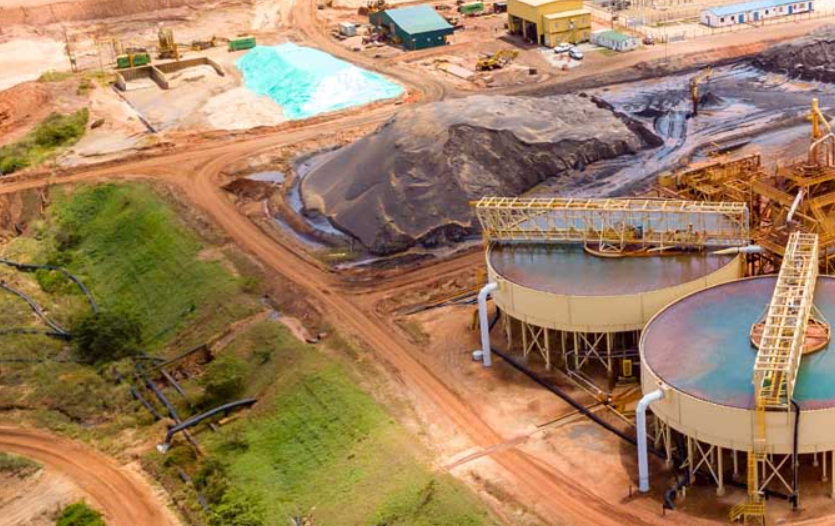
Kenya is rapidly emerging as a highly lucrative frontier in East African gold mining. The historic and newly explored greenstone belts in Western Kenya—particularly the high-grade Liranda Corridor in Kakamega and the polymetallic Migori gold belt—are attracting significant international and Chinese investments. Projects like Shanta Gold's West Kenya project and operations at Kilimapesa and Karebe highlight the immense potential. However, transitioning from exploration to profitable commercial extraction requires overcoming complex geological and environmental hurdles specific to the region.
Chief Metallurgists operating in Western Kenya face three severe operational bottlenecks. First, Severe Preg-Robbing Ores: Migliori Carbonioaceous shale commonly found in the Kakamega greenstone belt acts as a natural sponge, prematurely adsorbing dissolved gold complex before it reaches the extraction phase, leading to devastating tailing losses. Second, Lake Victoria Ecological Sensitivity: Most Kenyan gold deposits sit within the vital Lake Victoria basin. Kenya’s National Environment Management Authority (NEMA) mandates zero-tolerance policies on hazardous chemical runoff. Securing an Environmental Impact Assessment (EIA) for a traditional cianuro plant here is an arduous, multi-year battle. Third, Inland Transit Degradation: While the Port of Mombasa provides excellent sea freight access, transporting Class 6.1 hazardous chemicals across the Great Rift Valley to Western Kenya exposes the cargo to intense heat, humidity, and rough terrain, demanding flawless packaging integrity.
United Chemical has engineered a highly specialized reagent matrix to solve these precise Kenyan challenges. By deploying ultra-hard, hyper-kinetic carbon to outcompete natural preg-robbers, offering NEMA-compliant cyanide alternatives, and securing inland logistics, we empower Kenyan mines to dramatically increase their gold yields while ensuring environmental compliance.
Tailored Gold Recovery Solutions for Kenyan Greenstone Ores
AuCarb™ Gold Recovery Carbone attivo da guscio di cocco (durezza ≥99%)
In the carbonaceous greenstone belts of Kakamega, "preg-robbing" is the ultimate enemy. The natural carbon in the ore will steal your dissolved gold. To win this chemical tug-of-war, you must introduce a commercial carbon that is significantly more active and resilient than the natural carbon.
Defeating Preg-Robbing Kinetics:AuCarb™ is engineered with an extensively developed macroporous network. It creates a hyper-kinetic adsorption environment that aggressively outcompetes the natural carbonaceous matter in Kenyan ores, stripping the [Au(CN)₂]⁻ complex from the slurry before preg-robbing can occur.
CIP/CIL Unbreakable Durability: Thermally activated to an extreme ≥99% hardness, AuCarb™ withstands the violent agitation of Carbon-in-Pulp (CIP) circuits. It refuses to abrade into micro-fines, completely eliminating the risk of sending your hard-earned gold to the tailings dam.
AuLeach™ Agente di lisciviazione dell'oro (GDA) - Non pericoloso
Protecting the Lake Victoria basin is a national priority in Kenya. NEMA regulations are exceptionally stringent regarding cyanide storage, usage, and tailings management. One environmental infraction can result in a revoked license.
Lake-Safe Tailings Management:AuLeach™ provides a revolutionary cyanide-free extraction alternative. Globally certified as non-hazardous and low-toxicity, it ensures your TSF (Tailings Storage Facility) effluent poses no threat to local aquifers or the Lake Victoria ecosystem, virtually guaranteeing rapid NEMA EIA approvals.
Frictionless Inland Transport: As a non-hazardous chemical, AuLeach™ avoids the agonizingly slow Class 6.1 dangerous goods processing at Mombasa port. It moves swiftly along the Northern Corridor to Western Kenya without the need for expensive police escorts or specialized hazardous storage permits.
AuCyan™ Cianuro di sodio NaCN (≥98.3%)
For operations in the Migori belt dealing with sulfidic and slightly polymetallic ores, leaching power cannot be compromised. Furthermore, the transit from humid Mombasa to the highlands requires ultimate chemical protection.
Maximum Lixiviant Strength: Purezza garantita al minimo del 98.3%, AuCyan™ delivers an overwhelming concentration of free cyanide ions. This sheer chemical force is required to break down sulfidic matrices in Western Kenyan ores, accelerating dissolution and boosting overall yield.
Rift Valley Climate-Proof Packaging: We seal AuCyan™ in robust, UN-certified heavy-gauge steel drums with double-layered polymeric inner linings. Whether facing the coastal humidity of Mombasa or the bumpy transit across the Rift Valley, the reagent arrives at your Kakamega or Migori site perfectly dry and fully potent.
Seamless Logistics: From Port of Mombasa to Your Mine Site
Having a port does not mean logistics are easy; moving dangerous goods inland requires specialized expertise. United Chemical streamlines the entire supply chain into Kenya.
Optimized Mombasa Clearance: We provide flawless documentation (Commercial Invoices, COAs, MSDS) that aligns perfectly with the Kenya Revenue Authority (KRA) and Kenya Bureau of Standards (KEBS) requirements, preventing costly demurrage charges at the port.
Secure Inland Routing: We collaborate with highly vetted Kenyan transport companies authorized to handle hazardous mining chemicals, ensuring your cargo safely navigates the route from Mombasa, through Nairobi, and directly to your processing plant in the western counties.
Prove the Yield on Your Kakamega or Migori Ores
Don't let preg-robbing characteristics or regulatory fears halt your production. We invite Kenyan Plant Managers and Metallurgists to request complimentary laboratory samples. Run direct CIL kinetic tests and environmental toxicity screens to validate our performance firsthand.
Richiedi subito campioni di laboratorio gratuiti
Frequently Asked Questions: Gold Processing in Kenya
1. Why is preg-robbing common in the Kakamega greenstone belt?
The geological formations in Western Kenya, such as the Liranda Corridor, often contain carbonaceous shales. This naturally occurring carbon acts like a sponge (preg-robbing), prematurely adsorbing the gold-cyanide complex out of the solution before you can recover it, causing severe tailing losses.
2. How does AuCarb™ Carboni Attivi defeat Kenyan preg-robbing ores?
To combat natural carbon, you need a superior commercial carbon. AuCarb™ Recupero dell'oro - Carbone attivo da guscio di cocco features a hyper-developed macroporous structure that offers dramatically faster adsorption kinetics. It outcompetes the natural ore, snatching the gold complex first and securing it safely.
3. Will using AuLeach™ help secure NEMA approval near Lake Victoria?
Absolutely. Because gold deposits in Western Kenya fall within the Lake Victoria basin, NEMA (National Environment Management Authority) strictly regulates hazardous chemicals. Agente lisciviante AuLeach™ per l'estrazione dell'oro is cyanide-free and low-toxicity, making environmental impact assessments (EIA) much easier to pass and completely protecting local water systems.
4. Does transitioning to AuLeach™ require plant modifications in Kenya?
No capital expenditure or equipment redesign is needed. AuLeach™ is engineered as a direct drop-in substitute for Cianuro di sodio. You can utilize your existing CIL tanks, vat leaching setups, agitators, and activated carbon recovery circuits seamlessly.
5. Why is a ≥99% carbon hardness vital for Migori gold operations?
Operations in the Migori belt often run dense, abrasive slurries through violent agitators. If your activated carbon is soft, it shatters (attrition), and the gold-loaded fragments wash out into the tailings. AuCarb™ maintains a ≥99% hardness, preventing breakage and eliminating gold loss.
6. How does AuCyan™ handle the sulfidic ores of Western Kenya?
Sulfidic ores require high chemical intensity to liberate gold. By ensuring an ultra-high purity of ≥98.3%, AuCyan™ Cianuro di sodio NaCN provides maximum free cyanide (CN-) concentration. This cuts through the sulfide matrices faster, improving overall dissolution rates and boosting recovery yields.
7. How do you protect chemicals during transport from Mombasa to Kakamega?
The long haul from the coast to Western Kenya involves humidity, heat, and rough roads. We pack AuCyan™ in heavy-gauge, UN-certified steel drums with double-sealed inner polymer bags. This guarantees zero moisture ingress, keeping the reagent dry and potent upon arrival at your site.
8. Does importing AuLeach™ via Mombasa port save time compared to Cyanide?
Yes, drastically. Sodium cyanide is a Class 6.1 Dangerous Good, requiring extensive permits, police escorts, and hazardous storage at Mombasa, leading to port delays. AuLeach™ is classified as non-hazardous, allowing it to clear customs as standard industrial cargo for rapid inland dispatch.
9. Are your products suitable for mines transitioning from artisanal to commercial scale?
Absolutely. As Kenyan mines transition from artisanal methods to formal CIL/CIP plants, standardizing reagents is key to stability. United Chemical provides scalable supply, consistent high purity, and technical support to ensure your newly upgraded plant achieves maximum design recovery.
10. How can our Kenyan plant obtain free test samples?
We encourage comprehensive metallurgical testing. Plant Managers and Chief Engineers in Kenya can contact us directly to request Campioni di prova gratuiti of AuCyan™, AuCarb™, or AuLeach™. We will coordinate swift delivery to your lab for kinetic bottle-roll or column leaching tests.
- Contenuto casuale
- Contenuti caldi
- Contenuto di recensioni hot
- Collettore T-610 Derivato dell'acido salicilossimo Contenuto 3.5%
- 97% 2-idrossipropilmetacrilato
- Antiossidante alimentare T501 Antiossidante 264 Antiossidante BHT 99.5%
- Solfato di rame monoidrato (CuSO4-H2O) in polvere (Cu:34% min)
- Etilmetilcarbonato (EMC) 99%
- Cos'è un agente sedimentante e come funziona nell'attività mineraria?
- Come faccio a scegliere il flocculante giusto?
- 1Cianuro di sodio scontato (CAS: 143-33-9) per l'attività mineraria - Alta qualità e prezzi competitivi
- 2Cianuro di sodio 98.3% CAS 143-33-9 NaCN agente di rivestimento dell'oro essenziale per le industrie chimiche minerarie
- 3Nuove normative cinesi sulle esportazioni di cianuro di sodio e linee guida per gli acquirenti internazionali
- 4Cianuro di sodio (CAS: 143-33-9) Certificato per l'utente finale (versione cinese e inglese)
- 5Codice internazionale di gestione del cianuro (cianuro di sodio) - Standard di accettazione delle miniere d'oro
- 6Fabbrica cinese Acido solforico 98%
- 7Acido ossalico anidro 99.6% grado industriale
- 1Cianuro di sodio 98.3% CAS 143-33-9 NaCN agente di rivestimento dell'oro essenziale per le industrie chimiche minerarie
- 2Elevata purezza · Prestazioni stabili · Recupero più elevato: cianuro di sodio per la moderna lisciviazione dell'oro
- 3Integratori alimentari Food Addictive Sarcosina 99% min
- 4Normative e conformità per l'importazione di cianuro di sodio: garantire un'importazione sicura e conforme in Perù
- 5United ChemicalIl team di ricerca di dimostra autorevolezza attraverso approfondimenti basati sui dati
- 6Cianuro di sodio ad alte prestazioni AuCyan™ | Purezza del 98.3% per l'estrazione globale dell'oro
- 7Detonatore elettronico digitale (tempo di ritardo 0~ 16000ms)


Consultazione messaggi online
Aggiungi un commento: