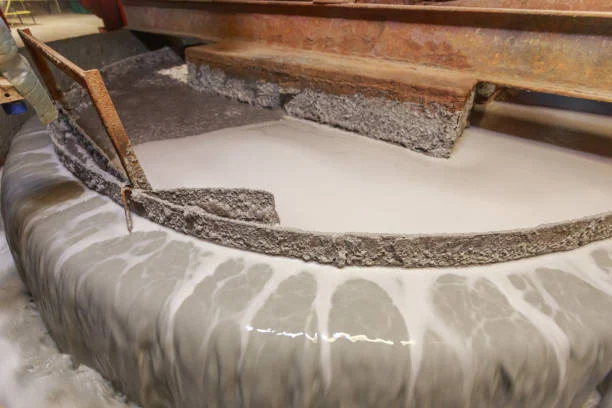
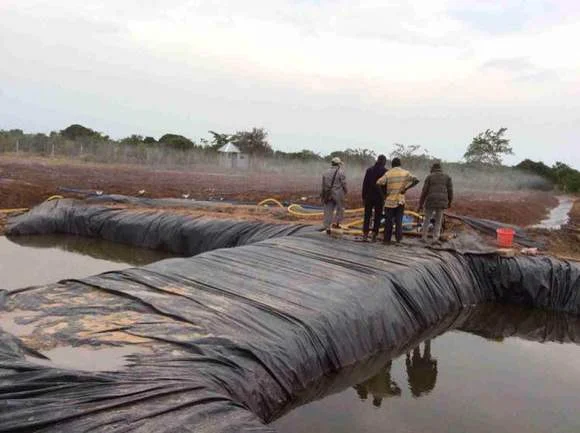
Niha, siyanur Rêbaza derxistina zêr yek ji pêvajoyên sereke yên gihîştî ye ji bo şûştina zêr li Chinaînê. Ew çareseriya siyanidê bikar tîne da ku zêr ji kanzayan derxîne, ku rêjeya başbûnê ya bilind, adaptasyona bihêz a taybetmendiyên ore, û şiyana hilberandina zêr li ser cîhê heye. Ji ber ku di sala 1887-an de çareseriya siyanidê ji bo derxistina zêr ji kanzayan hatiye bikar anîn. ev rêbaz heya niha bi berfirehî tê sepandin. Lêbelê, derxistina zêrê siyanid hejmareke mezin ji madeyên jehrîn û zirardar çêdike, ku xeterek mezin li ser jîngeha derdorê û mirovan çêdike. Ji ber vê yekê, ji bo kêmkirina zirarê, pêdivî ye ku meriv rêbazên dermankirinê yên ava bermayî ya derxistina zêrê siyanîd were lêkolîn kirin. Hejmarek mezin ji lêkolîneran rêgezên dermankirinê, prensîbên kîmyewî, û meylên pêşkeftinê yên siyanide - ku ava bermayî vedihewîne, kurt kirine, lê piraniya wan tenê yek an du rêbazan nîqaş dikin. Ji ber vê yekê, ev gotar analîzek hûrgulî li ser awayên cûrbecûr yên dermankirinê ji bo ava bermayî ya derxistina zêrê siyanidê ku naha di pîşesaziyê de tê bikar anîn, dike, avantaj, dezawantaj û senaryoyên serîlêdanê yên her rêbazê berhev dike, ku ji bo serîlêdanên wekhev di hilberîna rastîn de hin girîngiya rêberiyê heye.
I. Jêder û Xetereyên Ava Zêrîn a Siyanidê
Prensîba sereke ya derxistina zêrê siyanid ev e ku di hawîrdorek aerobî de, siyanid sodyûm bi zêr re reaksiyon dike û kompleksên zêr çêdike, ku dû re dihelin. Piştî vê yekê, zêr dikare bi rêya dewlemendkirinê bi rêya çalakkirî were derxistin Karbonat adsorpsiyon an jî ji aliyê toza zincê ve ji siyanûra zêr tê veqetandin. Di heman demê de, metalên giran ên din ên wekî zîv, sifir û zincê jî kompleksan çêdikin û dihelin.
Ew siyanid di reaksiyonê de têne bikar anîn û kompleksên ku têne hilberandin hemî madeyên jehrîn û zirardar in. Sodyûm sîanîd bi hêsanî tê hîdrolîz kirin û maddeyek pir jehrî ya sinifa 1 ye, bi dozek kujer 0.10g. Heke Cyanides rijandina nav avên avê, ji bo zîndewerên di nav avê de pir zirar e, û dê bibe sedema metirsiyek mezin li ser mirov û jîngeha derdorê. Ji ber vê yekê, dermankirina avên bermayî yên derxistina zêrê siyanid xwedî girîngiyek mezin e.
II. Rêbazên Dermankirinê yên Sereke yên Ji bo Avêtina Zêrîn a Sîyanîdê
Rêbaza Klorînê ya Alkaline
Rêbaza klorîna alkaline naha yek ji wan awayên ku herî zêde tê bikar anîn ji bo dermankirina siyanidê ye - ku ava bermayî ya ji derxistina zêrê siyanidê vedihewîne. Ew bi giranî oksîdantên bingeha klorê bikar tîne da ku siyanîdên di ava bermayî de di bin şert û mercên alkalîn de oksîde bike, wan vediguhezîne madeyên ne-jehrîn. Pêvajoya şikandina siyanîdê ya klorîna alkalîn li du qonaxan tê dabeş kirin:
Qonaxa yekem oksîdkirina siyanid bo siyanate ye, ku jê re qonaxa "oksîdasyona netemam" tê gotin. CN- bi OCl- re reaksiyonê dike ku pêşî CNCl çêbike, û paşê ew hîdrolîz dike CNO-. Pêdivî ye ku were zanîn ku CNCl di bin şert û mercên asîd de pir guhezbar û jehr e. Ji ber vê yekê, di dema xebatê de, pêdivî ye ku nirxa pH bi hişkî were kontrol kirin da ku di rewşek alkaline de be.
Qonaxa duyemîn ew e ku siyanate bi karbondîoksît û nîtrojenê bêtir oksîd bike, ku jê re qonaxa "oksîdasyona tam" tê gotin. Di pêvajoya siyanid - şikandinê de, nirxa pH bandorek mezin li ser reaksiyona oksîdasyonê dike. Nirxa pH ya oksîdasyona qonaxa yekem divê di 10 - 11 de were kontrol kirin û dema reaksiyonê 10 - 15 hûrdem e. Pêdivî ye ku nirxa pH ya oksîdasyona qonaxa duyemîn di 6.5 - 7.0 de were kontrol kirin. û dema reaksiyonê 10 - 15 hûrdem e.
Hin madenek rêbaza klorkirina alkalîn bikar tîne da ku supernatantê dûvikê siyanidê (bi naverokek siyanîdê 200 mg/L) û ava şepirze ya ji depoya rijandinê (bi naveroka siyanidê 5 mg/L) derman bike. Nirxa pH di navbera 10 - 11 de tê kontrol kirin û toza spîker bi rêjeya 35 - 40 qat ji naveroka siyanidê tê zêdekirin ji bo tevlihevkirin û hejandinê. Piştî rijandina di stûrkerek de, naveroka giştî ya siyanîd dikare bigihîje 0.1 mg/L.
Rêbaza klorîna alkaline ji bo dermankirina siyanîdê - ku ava çolê vedihewîne - awayê herî gelemperî tê bikar anîn, û toza spîçolkî oksîdantek bingehîn a klorê ya herî gelemperî tête bikar anîn. Ev rêbaz ji bo dermankirina ava bermayî ya derxistina zêrê siyanid bi tansiyona bilind an nizm maqûl e. Di heman demê de ew dikare thiocyanate û cyanide - kompleksên ku tê de hene (ji bilî kompleksên ferrocyanide) jê bike. Derman bi berfirehî peyda dibe, bermahiyên bermahiyên çêkirî têne fîltrekirin hêsan e, û operasyon hêsan e. Lêbelê, hawîrdora operasyonê dema ku ji bo dermankirina avên çolê tê bikar anîn pîvazek şîn tê bikar anîn. Naha hin pargîdanî li şûna wê şilava spî an klordîoksîtê bikar tînin, ku jîngeha xebatê heya radeyekê baştir dike. Lê di pêvajoya reaksiyonê de gazên jehrîn têne hilberandin, û ew xwedan korozyonek mezin a amûran e. Mesrefa derman û lêçûna lênêrînê bi nisbî bilind e.
Rêbaza Tevlihevkirina Xwêya Ferrous
Rêbaza tevlihevkirina xwêya hesin rêbazek dermankirinê ye ji bo avên bermayî yên derxistina zêrê siyanid ku di van salên dawî de derketiye holê. Bi kontrolkirina nirxa pH ya reaksiyonê ya di navbera 7 - 8 de. îyonên hesin bi siyanîda azad û hin kompleksên siyanîdê yên di ava bermayî ya derxistina zêrê siyanidê de bertek nîşan didin û baran çêdikin.
Ceribandinan destnîşan kir ku bi gelemperî, lê zêdekirina tenê sulfate hesin ji bo dermankirina ava bermayî ya derxistina zêrê siyanid nikare ava çolê li gorî standardên dakêşanê bicîh bîne. Ji ber vê yekê, pêdivî ye ku oksîdanek gelemperî li ava bermayî ya hatî derman kirin ji bo rakirina kûr - siyanide were zêdekirin. Heya ku şert û merc baş bin - têne kontrol kirin, oksîdan dikare rasterast ji bo dermankirinê bê veqetandina baranê were zêdekirin, û standarda dakêşanê jî dikare were bidestxistin. Ev li gorî rêbaza kevneşopî ya veqetandinê pêşî û dûv re jî dermankirinê girîngiyek erênî heye.
Hin melzemeyek zêr ji bo dermankirina siyanidê - şilava belengaz rêbaza sulfîdê sodyûm - rêbaza sulfate afer bikar tîne. Naveroka navberê 2500 mg/L siyanid heye. Piştî dermankirinê, naverokek naverok ji 20 mg / L kêmtirîn sîanîd heye, bi rêjeya rakirina% 99.2, encamên berbiçav nîşan dide. Tedawiya kûr a paşîn rêbaza metabisulfite sodyûm - hewayê bikar tîne da ku tevahiya siyanide ji 0.4 mg/L kêmtir bike.
Rêbaza tevlihevkirina xwêya hesin rêgezek dermankirinê ya nû derketiye holê ye, ku bi giranî ji bo dermankirina ava zirav - bi giraniya siyanidê - tê bikar anîn. Pêvajoya wê hêsan e, veberhênana yek-car piçûk e, xebitandina wê hêsan e, derman (bi taybetî sulfate hesin) bi berfirehî peyda dibe, erzan e û karanîna wê hêsan e. Lêbelê, ji ber ku çareseriya sulfate ya hesin asîdî ye, dema ku ew bi ava bermayî ya derxistina zêrê siyanidê re tê tevlihev kirin, devera herêmî asîdî dibe, û îhtîmala hilberîna gaza hîdrojen-sîanîd heye. Digel vê yekê, ew nikare thiocyanate rake, û ava bermayî ya hatî dermankirin hîn jî pêdivî bi dermankirina kûr heye da ku standardên dakêşanê bicîh bîne.
Sodium Metabisulfite - Rêbaza Hewayê
Metabisulfite sodyûm - rêbaza hewayê ji rêbaza sulfur dioksîtê - hewayê hatî pêşve xistin. Ew bi giranî bandora hevrêzî ya metabisulfite sodyûm û hewayê li ser siyanîdên di ava bermayî de di nav rêzek pH-ya diyarkirî de, bi bandora katalîtîk a îyonên sifir re, bikar tîne da ku CN- ber CNO- oxidize.
Ger naveroka siyanidê di nav ava çopê de - ku di nav sîanîdê de ye zêde be, pêşî dermankirin dikare were kirin da ku tevheviya siyanûrê ji 100 mg/L kêmtir bike. Dûv re, metabisulfite sodyûm û sulfate sifir têne zêdekirin, hewa têra xwe tê danîn, û nirxa pH-ê tê kontrol kirin (bi gelemperî di 7 - 8 de tê kontrol kirin), da ku siyanid bibe siyanate, ku dûv re hîdrolîz dibe da ku îyonên bîkarbonat û ammonia çêbike.
Rêbaza metabisulfite sodyûm - hewayê ji bo dermankirina ava bermayî ya derxistina zêrê siyanîdê kêm-pîvan e. Doza dermanê piçûk e, şiyana kedê kêm e, lê veberhênana pêşîn bi nisbeten mezin e, û pêdivî ye ku pêdivî ye ku pêdivî ye ku pêdivî ye ku pêdivî ye ku pêdivî ye ku meriv alavan wekî blower were zêdekirin. Pêdiviyên ji bo nîşangirên pêvajoyê bi rêkûpêk hişk in, û kontrolkirina nirxa pH pir girîng e. Pêdivî ye ku sulfate sifir jî wekî katalîzator were zêdekirin. Dema reaksiyonê dirêj e. Ger dermankirin ne rast be, dê mîqdarek mezin îyonên amonyûmê çêbibe, û şûşeya çêkirî ne hêsan e ku were parzûn kirin. Rêjeyek piçûk a gaza amonyak li ser malperê tê hilberandin, û ew bandorek li ser rakirina thiocyanides nake.
Rêbaza Oksîdasyona Hîdrojen Peroksîdê
Rêbaza oksîdasyona hîdrojen peroksîtê ew e ku di bin germahiya normal, şert û mercên alkalîn (pH = 10 - 11) de, bi Cu²⁺ wekî katalîzator, siyanîd ber bi CNO- ve oksîde dike, û dûv re wan di nav madeyên ne-jehrî de hîdrolîz dike. Syanîdên kompleks (kompleksên Cu, Zn, Pb, Ni, Cd) jî ji ber helandina siyanîdên di wan de ji hev vediqetin. Îyonên ferrosyanîd û îyonên din ên metalên giran xwêyên kompleks ên ferrosyanîdê çêdikin û jê têne derxistin. Di dawiyê de, tevheviya siyanîdê di ava bermayî ya hatî dermankirin de dikare ji 0.5mg/L kêmtir were kêm kirin.
Ev rêbaz ji bo dermankirina ava çopê ya kêm-syanîd-konsantreya kêm maqûl e. Amûra dermankirina hîdrojen peroksîdê hêsan û hêsan e ku meriv bigihîje kontrola otomatîk. Lêbelê, cyanate ya çêkirî pêdivî ye ku demek diyar bimîne da ku di CO2 û NH3 de hilweşe. Dezawantaj ev in ku karanîna sifir wekî katalîzator dibe ku bibe sedema ku sifir di ava rijandin de ji standardê derbas bibe, lêçûna madeya xav nisbeten zêde ye, thiocyanides nikare were oksîd kirin, û îyonên amonyûmê têne çêkirin. Bi rastî, ava çolê hîn jî xwedan jehrînek taybetî ye. Wekî din, ji ber ku hîdrojen peroksîtê oksîdantek e, xwedan rezîlbûnek mezin e, û di veguheztin û karanîna de hin zehmetî û xeterî hene.
Rêbaza asîdkirinê
Dema ku rêbaza asîdkirinê ji bo dermankirina siyanîdê - şilavê belengaz bikar tîne, mekanîzmaya reaksiyonê ya wê bi rehetî tevlihev e, bi taybetî sê pêvajoyan di nav xwe de digire: pêvajoya asîdkirina siyanidê - ku ava çolê vedihewîne, pêvajoya hilanîn û vegirtinê ya gaza HCN, û pêvajoya bêbandorkirina şilava jêkirî.
(1) Reaksiyona asîdbûnê: Sîanîd - şilê belengaz bi asîdê tê asîdan û paqijkirin. Syanîdên tevlihev ên di şilava belengaz de dê barên bêçare yên wekî CuCN, CuSCN, û ZnXNUMXFe(CN)₆ ava bikin û bêne rakirin, û di heman demê de, hîdrojen sîanîd jî çêdibe.
(2) Reaksiyona helandin û vegirtinê: Avêra belengaz berî asîdêbûnê bi qasî 30℃ tê germ kirin. Ji ber ku xala kelandinê ya HCN tenê 26.5 ℃ e, ew pir bêhêz e. Ji ber vê yekê, bircek pakkirî wekî amûra veguheztina girseyê ji bo têkiliya di navbera gaz - şil du - qonaxê de di rêbaza asîdkirinê de tê bikar anîn, ku bi hêsanî bi destxistina HCN û vegirtina HCN-ê hêsan e.
(3) Reaksiyona bêbandorkirinê: Lime an alkaliya şil ji bo bêbandorkirina asîd - şilava bermayî ya jêkirî tê bikar anîn. Molekulên HCN yên mayî yên di çareseriyê de dê bibin forma CN-. Rêbaza asîdkirinê dikare vegere Sodyum Syanide ji siyanûrê - ku ava çopê vedihewîne û vegerandina çavkaniyê pêk tîne. Lêbelê, ew hewcedariyên bilind ên ji bo morkirina alavan heye, veberhênanek pêşîn a nisbeten mezin, jêhatîbûna xebitandina asta bilind hewce dike, û lênihêrîna alavan dijwar e. Hin xetereyên ewlehiyê jî hene. Ava bermayî ya ku piştî hilanînê hatî hilberandin hîn jî pêdivî bi dermankirina kûr heye da ku standardên avêtinê bicîh bîne.
Rêbaza Elektrolîzê
Rêbaza elektrolîzê reaksiyonên redoksî yên elektrokîmyayî bikar tîne da ku siyanîdên di ava çopê de hilweşîne. Di dema elektrolîza îyonan de, siyanîd elektronan li anodê winda dikin û dibin siyanat, karbonat, nîtrojen an amonyûmê. Cyanate bêtir bi CO2 û H2O ve tê oksîd kirin. Reaksiyonên sereke ev in:
CN- + 2OH- - 2e → CNO- + H24O (XNUMX)
2CN- + 4OH- - 6e → 2CO₂ + N2 + 25HXNUMXO (XNUMX)
Ceribandinên elektrolîzê yên ku bi darê elektrodê dîoksîtê seramîk-ê ku bi xwe çêkirî hatî çêkirin û plakaya katodê ya pola ya zengarnegir îspat kir ku bi karanîna rêbaza elektrolîzê ji bo dermankirina ava çolê ku sîanîd tê de heye, piştî 2 demjimêran ji elektrolîzê, giraniya CN- dikare ji 385 mg/L dakeve 58mg²450L/L, heya 48 mg/L. Digel vê yekê, Hunan Zhongnan Gold Smelter rêbaza elektrokîmyayî bikar tîne da ku ava bermayî ya derxistina zêrê siyanide derman bike, ku dikare tevahî siyanide ji 4g/L berbi 0.8g/L kêm bike. Cûdahiya ji ya jorîn ev e ku her du lewheyên anode û katod ji lewheyên hesin têne çêkirin. Di pêvajoya xebatê de, ne tenê enerjiya elektrîkê tê xerc kirin, di heman demê de lewheyên hesin jî têne xerc kirin.
Rêbaza elektrolîzê bi giranî ji bo dermankirina ava çopê ya bi giraniya siyanîdê tê bikar anîn. Amûr deverek piçûk dagir dike, pêvajo hêsan û hêsan e ku meriv kontrol bike, lê ew gelek enerjiya elektrîkê vedixwe, û lêçûna xebitandinê ji ya rêbaza klorîna alkaline mezintir e. Rêjeya rakirina siyanide navîn e, û ew ti bandorek li ser rakirina kompleksên siyanîdê nake.
Heya nuha, di nav awayên dermankirinê de ji bo avên bermayî yên derxistina zêrê cyanide, rêbaza klorîna alkaline, rêbaza asîdkirinê, û metoda metabisulfite sodyûm - hewa bi berfirehî têne bikar anîn. Rêbaza elektrolîzê û rêbaza tevlihevkirina xwêya hesin rêgezên nû derdikevin ku di dermankirina pîşesaziyê de bi serfirazî hatine sepandin. Rêbaza oksîdasyona hîdrojen peroksîtê bi gelemperî rêbazek dermankirina acîl e. Gelek rêbazên din ên dermankirinê hene ji bo dermankirina ava bermayî ya derxistina zêrê siyanid, wek rêbaza paqijkirina xwezayî, rêbaza biyolojîkî, rêbaza veqetandina parzûnê, rêbaza veguheztina îyonan, hwd. Lêbelê, wekî serîlêdanên pîşesaziyê, hemî hin hûrguliyên wan hene û hîn jî hewcedariya başkirina domdar heye.
- Naveroka Random
- Naveroka germ
- naveroka review hot
- Oxalic acid ji bo kanan 99.6%
- Barium carbonate 99% toz
- Ammonium Sulphate Grade Food
- Isobutyl vinyl ether 98% paqijiya bilind hilberînerê pisporê pejirandî
- Lithium hydroxide 99% Solid
- Zêdekirina Xwarinê E330 Asîda Sîtrîkê monohydrate
- Ethylene carbonate
- 1Siyanidê Sodyûmê erzankirî (CAS: 143-33-9) ji bo Madenê - Qalîteya Bilind & Bihayê Pêşbazî
- 2Sodyûm Siyanûr 98.3% CAS 143-33-9 NaCN madeya pêçandina zêr Ji bo Pîşesaziyên Kîmyayî yên Madenê Girîng e
- 3Rêziknameyên Nû yên Chinaînê yên li ser Hinardekirina Sîyanîdê Sodyûm û Rêbernameya ji bo Kirrûbirên Navneteweyî
- 4Sodyum Syanide (CAS: 143-33-9) Sertîfîkaya bikarhênerê dawî (guhertoya Çînî û Îngilîzî)
- 5Koda Rêvebiriyê ya Navnetewî (Syanîdê Sodyûm) - Standardên Pejirandina Kana Zêrîn
- 6Fabrîkaya Çînê Asîdê Sulfurîk 98%
- 7Asîda Oxalic a bêhîd 99.6% Pîşesaziya Pîşesaziyê
- 1Sodyûm Siyanûr 98.3% CAS 143-33-9 NaCN madeya pêçandina zêr Ji bo Pîşesaziyên Kîmyayî yên Madenê Girîng e
- 2Paqijiya Bilind · Performansa Sabît · Vegerandina Bilindtir — sodyûm sîyanûr ji bo şûştina zêr a nûjen
- 3Pêvekên Xwarinê Sarcosine Addictive Xwarinê 99% min
- 4Rêgez û Rêzkirinên Îxalata Siyanîdê Sodyûm - Li Peru Veguheztina Ewle û Lihevhatî Paqijkirin
- 5United ChemicalTîma Lêkolînê ya 's Bi Rêya Têgihîştinên Li Ser Daneyan Desthilatdariya xwe Nîşan Dide
- 6Siyanûra Sodyûmê ya Performansa Bilind a AuCyan™ | Paqijiya %98.3 ji bo Kanên Zêr ên Cîhanî
- 7Detonatorê Elektronîkî Dîjîtal (Dema Derengmayînê 0~ 16000ms)




Şêwirmendiya peyama serhêl
Şîrove zêde bike: