
Įvadas
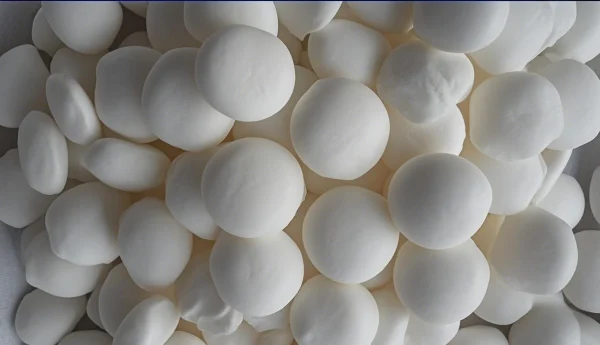
Aukso išgavimas naudojant natrio cianidas yra plačiai taikomas metodas kasybos ir tauriųjų metalų pramonėje. Cianidas turi unikalų gebėjimą sudaryti tirpius kompleksus su auksu, o tai leidžia išgauti auksą iš įvairių šaltinių, tokių kaip žemos kokybės rūdos, uolienos ir tam tikros elektroninės atliekos. Tačiau dėl didelio toksiškumo Cianidas, šis procesas turi būti atliekamas itin atsargiai ir griežtai laikantis saugos bei aplinkosaugos taisyklių.
Aukso išgavimo natrio cianidu principas
Natūralioje būsenoje auksas dažnai randamas rūdose sumaišytas su kitais mineralais. Kai Natrio cianidas įleidžiamas į auksą turinčią rūdą, vyksta cheminė reakcija. Esant deguoniui ir vandeniui, auksas reaguoja su cianidu ir sudaro tirpų junginį. Šios reakcijos metu auksas efektyviai ištirpsta cianido tirpale, atskiriant jį nuo kitų netirpių rūdos mineralų.
Žingsnis po žingsnio procesas
Rūdos paruošimas
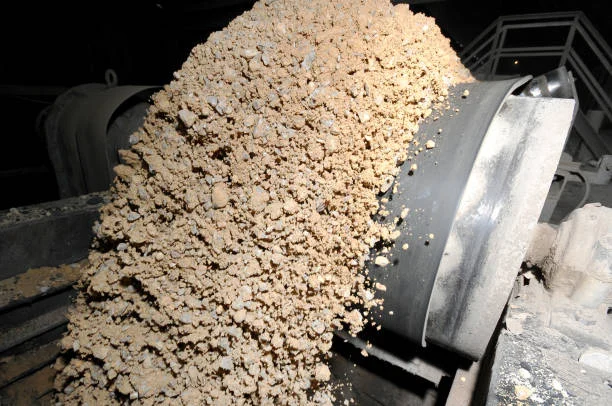
Smulkinimas ir smulkinimasPradinis žingsnis – sumažinti rūdos dydį. Dideli rūdos gabalai pirmiausia susmulkinami į mažesnius gabalėlius naudojant trupintuvus. Vėliau susmulkinta rūda malūnuose sumalama į smulkius miltelius. Tai padidina rūdos paviršiaus plotą, todėl auksą turinčios dalelės efektyviau sąveikauja su cianido tirpalu. Pavyzdžiui, tipiškoje aukso kasykloje rūda pirminio smulkinimo etape gali būti susmulkinta iki mažesnio nei 10 mm dydžio, o malimo etape sumalta iki tokio dydžio dalelių, kad maždaug 80 % dalelių būtų mažesnės nei 75 mikrometrai.
Išankstinis apdorojimas (jei reikia)Jei rūdoje yra sulfidinių mineralų ar kitų priemaišų, kurios galėtų trukdyti cianidui išplovimas Proceso metu būtinas išankstinis apdorojimas. Pavyzdžiui, kai rūdoje yra didelis kiekis pirito, ji gali sunaudoti deguonį ir cianidą, taip sumažindama aukso gavybos efektyvumą. Tokiose situacijose rūda gali būti deginama arba biooksiduojama. Deginimas reiškia rūdos kaitinimą ore, kad oksiduotų sulfidų mineralus, o biooksidacijos metu specifinės bakterijos oksiduoja sulfidų mineralus žemesnėje temperatūroje aplinkai nekenksmingu būdu.
Išplovimas
Cianido tirpalo paruošimasPraskiestas tirpalas Natrio cianidas ruošiamas. Cianido tirpalo koncentracija paprastai svyruoja nuo 0.05 % iki 0.2 % (m/t), priklausomai nuo rūdos savybių ir aukso kiekio. Į cianido tirpalą dažnai pridedama kalkių, kad pH būtų 10–11 intervale. Ši šarminė aplinka padeda išvengti toksiškų vandenilio cianido dujų susidarymo ir skatina aukso tirpimą.
Išplovimo procesasSumalta rūda sumaišoma su cianido tirpalu didelėse talpyklose arba naudojant krūvos išplovimo įrenginį. Talpyklos išplovimo metu rūdos ir cianido mišinys maišomas mechaniškai arba įpurškiant orą, siekiant užtikrinti gerą aukso turinčių dalelių ir cianido sąlytį, taip padidinant reakcijos greitį. Krūvos išplovimo metu, kuris labiau tinka žemos kokybės rūdoms, susmulkinta rūda sukraunama ant nepralaidžios plėvelės, o cianido tirpalas purškiamas ant krūvos. Tirpalas prasiskverbia pro rūdą, tirpdydamas auksą. Išplovimo procesas gali trukti nuo kelių valandų iki kelių dienų, priklausomai nuo tokių veiksnių kaip rūdos rūšis, dalelių dydis ir išplovimo sąlygos.
Kietųjų ir skystųjų medžiagų atskyrimas
Po išplovimo proceso gautas skystasis tirpalas susideda iš kietųjų atliekų (uodegų) ir tirpalo, kuriame yra aukso ir cianido junginio. Labai svarbu atskirti kietuosius ir skystuosius komponentus. Tai galima atlikti tokiais metodais kaip filtravimas arba nusodinimas. Filtravimo metu skystasis tirpalas praleidžiamas per filtravimo terpę, pavyzdžiui, filtro audinius arba filtro presus. Kietosios atliekos sulaikomos ant filtro, o skaidrus tirpalas, vadinamas ištirpusio aukso tirpalu, praeina. Nusodinimas – tai kietųjų dalelių nusėdimas rezervuaro dugne dėl gravitacijos. Viršslodžio skystis, ištirpęs auksas, gali būti atsargiai išpilamas.
Aukso atsigavimas iš nėščiųjų tirpalo
Cinko nusodinimas (Merrill-Crowe procesas)Vienas iš įprastų būdų auksui išgauti iš tirpalo yra cinko nusodinimas. Į tirpalą įdedamos cinko dulkės arba cinko drožlės. Kadangi cinkas yra reaktyvesnis už auksą, jis išstumia auksą iš aukso ir cianido junginio. Tada auksas nusėda kieta medžiaga kartu su kai kuriomis priemaišomis. Po reakcijos kietos nuosėdos filtruojamos ir toliau apdorojamos. Gauta aukso turinti kieta medžiaga lydoma, kad būtų gautas grynas auksas.
Aktyvuotos anglies adsorbcija (anglis celiuliozės/CIP ir anglis išplovimo/CIL)CIP procese aktyvuojamas Anglis į suspensiją įpilama po išplovimo etapo. Didelio paviršiaus ploto aktyvuota anglis adsorbuoja aukso ir cianido junginį iš tirpalo. Tada anglies ir aukso junginys iš suspensijos atskiriamas sijojant. CIL procese aktyvuota anglis pridedama paties išplovimo proceso metu. Auksu prisotinta anglis vėliau pašalinama iš sistemos. Auksą iš anglies galima išgauti naudojant stiprų cianido tirpalą arba kitas ekstrahavimo priemones. Po ekstrakcijos auksą iš ekstrahavimo tirpalo galima atgauti tokiais metodais kaip elektrolizė arba tolesnis nusodinimas.
Tobulinimas
Po nusodinimo arba adsorbcijos gautas auksas paprastai nebūna grynas ir jame yra priemaišų, tokių kaip kiti metalai ir nemetalai. Norint gauti labai gryną auksą (paprastai 99.9 % ar daugiau), naudojami rafinavimo procesai. Vienas iš įprastų rafinavimo metodų yra elektrolitinis rafinavimas. Šiame procese nešvarus auksas dedamas kaip anodas į elektrolitinę celę, o naudojamas gryno aukso katodas. Naudojamas tinkamas elektrolitas, pavyzdžiui, aukso chlorido tirpalas. Kai per celę praeina elektros srovė, anode esantis auksas ištirpsta ir nusėda ant katodo. Priemaišos arba lieka elektrolite, arba sudaro nuosėdas celės apačioje.
Saugos ir aplinkosaugos aspektai
Cianido toksiškumasNatrio cianidas yra itin toksiškas. Įkvėpus, prarijus ar patekus ant odos cianido, jis gali būti mirtinas. Visos operacijos, susijusios su cianidu, turi būti atliekamos gerai vėdinamose patalpose, o darbuotojai privalo dėvėti tinkamas asmenines apsaugos priemones, įskaitant respiratorius, pirštines ir apsauginius drabužius. Cianido išsiliejimo ar sąlyčio atveju turėtų būti parengti avarinio reagavimo planai.
Poveikio aplinkaiNetinkamai tvarkomas cianidas gali būti kenksmingas aplinkai. Atliekos iš aukso atgavimas proceso metu gali būti cianido likučių. Šios uolienos turi būti laikomos saugiose talpyklose, kad cianidas nepatektų į aplinką. Prieš išleidžiant į aplinką ar šalinant uolienose esantį cianidą, gali būti naudojami apdorojimo metodai, tokie kaip cheminė oksidacija arba biologinis skaidymas. Be to, siekiant užtikrinti, kad nebūtų cianido užteršimo, būtina griežtai stebėti vandens šaltinius šalia aukso gavybos operacijų.
Išvada
Natrio cianido naudojimas auksui išgauti yra sudėtingas, bet efektyvus procesas. Jis apima kelis etapus – nuo rūdos paruošimo iki aukso išgavimo ir rafinavimo. Nors tai yra labai efektyvus būdas išgauti auksą iš įvairių šaltinių, reikia atidžiai valdyti su tuo susijusią saugos ir aplinkos riziką. Laikantis tinkamų procedūrų, naudojant tinkamas technologijas ir laikantis reglamentų, aukso išgavimo pramonė gali toliau veikti tvariai ir atsakingai.
- Atsitiktinis turinys
- Karštas turinys
- Karštas apžvalgos turinys
- Pagrindinis natrio cianido vadovas: naudojimo atvejai ir tiekimas
- Smūgio vamzdžio detonatorius
- Amonio nitrato porėtos granulės
- Natrio metasilikato pentahidratas
- Farmacinis tarpinis glicinas su aukštos kokybės 99 %
- Di(etilenglikolio) vinilo eteris
- Degalų priedų oktaninio skaičiaus stiprintuvas ferocenas
- 1Natrio cianidas su nuolaida (CAS: 143-33-9) kasybai – aukšta kokybė ir konkurencinga kaina
- 2Natrio cianidas 98.3% CAS 143-33-9 NaCN aukso padažo priemonė, būtina kasybos chemijos pramonei
- 3Nauji Kinijos natrio cianido eksporto reglamentai ir gairės tarptautiniams pirkėjams
- 4Natrio cianidas (CAS: 143-33-9) Galutinio vartotojo sertifikatas (versija kinų ir anglų k.)
- 5Tarptautinis cianidas (natrio cianidas) valdymo kodas – aukso kasyklos priėmimo standartai
- 6Kinijos gamykla 98% sieros rūgštis
- 7Bevandenė oksalo rūgštis 99.6 % pramoninė
- 1Natrio cianidas 98.3% CAS 143-33-9 NaCN aukso padažo priemonė, būtina kasybos chemijos pramonei
- 2Didelis grynumas · Stabilus veikimas · Didesnis išgavimo rodiklis — natrio cianidas šiuolaikiniam aukso išplovimui
- 3Maisto papildai Maisto priklausomybę sukeliantis sarkozinas 99% min
- 4Natrio cianido importo taisyklės ir jų laikymasis – saugaus ir reikalavimus atitinkančio importo Peru užtikrinimas
- 5United ChemicalTyrimų komanda demonstruoja autoritetą, remdamasi duomenimis pagrįstomis įžvalgomis
- 6„AuCyan™“ didelio našumo natrio cianidas | 98.3 % grynumo, skirtas pasaulinei aukso kasybai
- 7Skaitmeninis elektroninis detonatorius (uždelsimo laikas 0–16000 XNUMX ms)



Konsultacija internetu žinutėmis
Pridėti komentarą: