
Pietų Afrikos ugniai atsparių rūdų įveikimas: geriausi CIL/CIP aukso apdorojimo reagentai
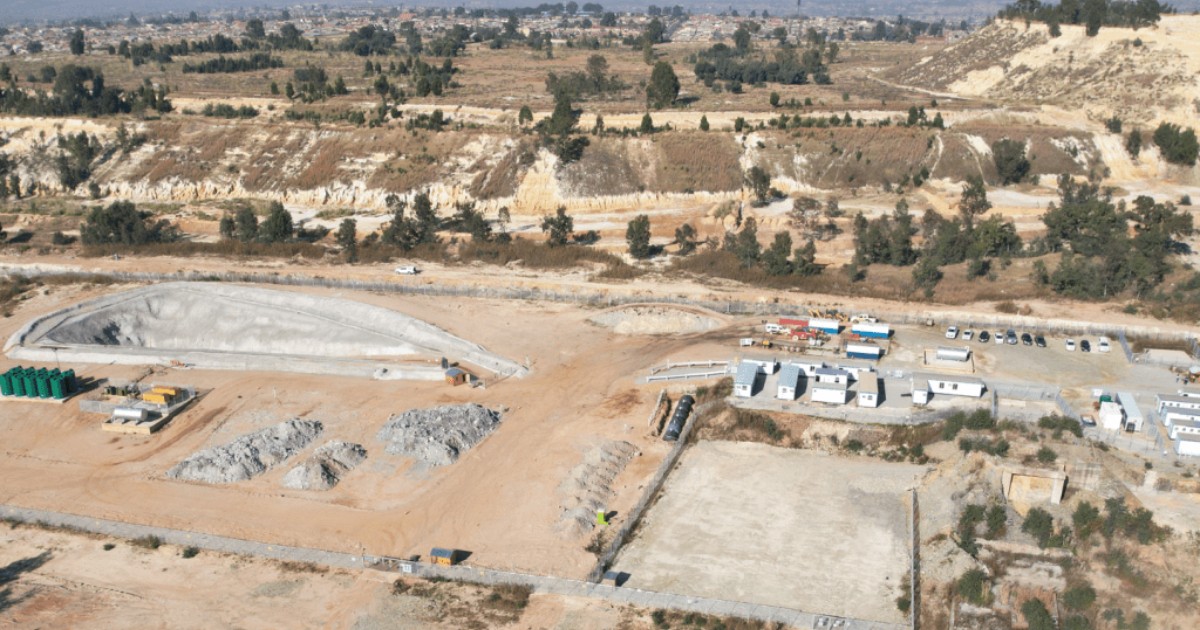
The Southern African Development Community (SADC) remains a global titan in gold production. From the historic, deep-level mines of South Africa's Vitvatersrando baseinas and the complex refractory ores of the Barbertono Greenstone Belt, to the rapidly expanding CIL operations across Zimbabwe (such as Gwanda and Kadoma) and the desert operations of Namibia (Navachab), the region's metallurgical diversity is unparalleled. However, modern plant managers in this region face a confluence of severe technical, environmental, and logistical challenges.
Chief Metallurgists in Southern Africa identify three primary bottlenecks. First, Highly Refractory & Preg-Robbing Ores: Many deposits in South Africa and Zimbabwe feature high concentrations of sulfides, arsenic, and natural Anglisaceous matter. These ores stubbornly resist standard cyanidation and prematurely strip dissolved gold from the circuit, causing massive tailing losses. Second, Extreme ESG and Water Regulations: South Africa’s strict National Water Act and the severe water scarcity in Namibia demand environmentally sound tailings management. Toxic spills are met with immediate operational shutdowns and devastating fines. Third, The Beitbridge Logistics Nightmare: Landlocked mining hubs in Zimbabwe and beyond rely heavily on the Port of Durban (SA) and Beira ports for imports. Transporting Class 6.1 hazardous chemicals (like Natrio cianidas) requires navigating the notorious Beitbridge border post, where strict hazmat inspections often lead to multi-week delays, risking plant standstills.
United Chemical has meticulously engineered a reagent suite and logistics network to solve the Southern African equation. By providing ultra-hard carbon for large-scale CIP plants, high-intensity lixiviants for sulfidic ores, and non-hazardous leaching alternatives that bypass hazmat border delays, we empower SADC gold producers to achieve unparalleled recovery rates and total ESG compliance.
Advanced Metallurgical Matrix for SADC Ore Bodies
AuCyan™ natrio cianidas NaCN (≥98.3 %)
For operations in the Barberton and Witwatersrand belts handling pyritic and arsenopyritic refractory ores, weak lixiviants lead to poor dissolution. Maximum chemical intensity is non-negotiable.
High-Intensity Sulfide Penetration: Garantuojamas ne mažesnis kaip 98.3 % grynumas, AuCyan™ provides an overwhelming concentration of free Cianidas (CN⁻) ions. This high driving force is crucial for maintaining rapid gold dissolution kinetics in ores where competing base metals (like copper or iron) aggressively consume standard cyanide.
SADC Climate-Proof Packaging: Transporting from the humid coast of Durban and Beira into the hot, arid interiors of South Africa and Zimbabwe requires ultimate stability. AuCyan™ is sealed in UN-certified, heavy-gauge steel drums with dual-layered polymeric liners, ensuring zero moisture degradation over long overland transits.
„AuCarb™“ aukso atkūrimo kokoso kevalo aktyvuota anglis (≥99 % kietumo)
Massive Carbon-in-Pulp (CIP) plants in South Africa and preg-robbing greenstone ores in Zimbabwe demand an Aktyvuota anglis that can withstand violent mechanical agitation without sacrificing adsorption speed.
Zero-Attrition CIP Durability (≥99% Hardness):AuCarb™ is thermally activated to an extreme hardness level. It easily withstands the high-shear environments of large-capacity South African agitators, drastically reducing carbon breakdown and preventing costly gold losses to the tailings dam.
Outcompeting Natural Preg-Robbers: Featuring a highly developed macroporous network, AuCarb™ exhibits hyper-fast adsorption kinetics. It actively out-competes the natural carbonaceous matter found in Zimbabwean ores, rescuing your gold complex before preg-robbing can occur.
„AuLeach™“ aukso išplovimo priemonė (GDA) – nepavojinga
For mines facing strict Department of Water and Sanitation (DWS) audits in South Africa, or those suffering from hazmat border delays into Zimbabwe, AuLeach™ is the ultimate strategic upgrade.
Bypassing Beitbridge Border Delays: Classified as a non-hazardous, standard industrial chemical, AuLeach™ eliminates the need for complex Class 6.1 permits, armed escorts, and hazardous storage. It moves swiftly through the Durban port and the congested Beitbridge and Beira ports border, securing your supply chain.
SADC ESG & Water Compliant: Being cyanide-free and low-toxicity, AuLeach™ drastically simplifies tailings detoxification. It ensures total compliance with South African water acts and protects vulnerable desert aquifers in Namibia, making EIA (Environmental Impact Assessment) approvals significantly easier.
Mastering the SADC Supply Chain: Durban and Beira to the Mine Face
The greatest risk to Southern African mining operations is supply chain interruption. United Chemical offers a fortified logistics corridor via South Africa.
Port of Durban and Beira Expertise: We maintain rapid customs clearance protocols at Durban and Beira , ensuring your containers of reagents bypass typical port congestion and move immediately to staging areas.
Cross-Border Multimodal Mastery: Whether trucking to Johannesburg, or navigating the critical Beitbridge crossing into Zimbabwe and beyond to Zambia, we partner with SADC-certified hazmat transport fleets to guarantee safe, on-time delivery to your plant.
Prove the Recovery on Your SADC Ore Samples
Stop losing gold to refractory ores or poor-quality carbon. We invite Plant Managers and Chief Metallurgists across South Africa, Zimbabwe, and Namibia to request complimentary test samples. Run direct CIL/CIP kinetic testing in your own lab to validate our performance and purity.
Užsisakykite nemokamus laboratorinius pavyzdžius dabar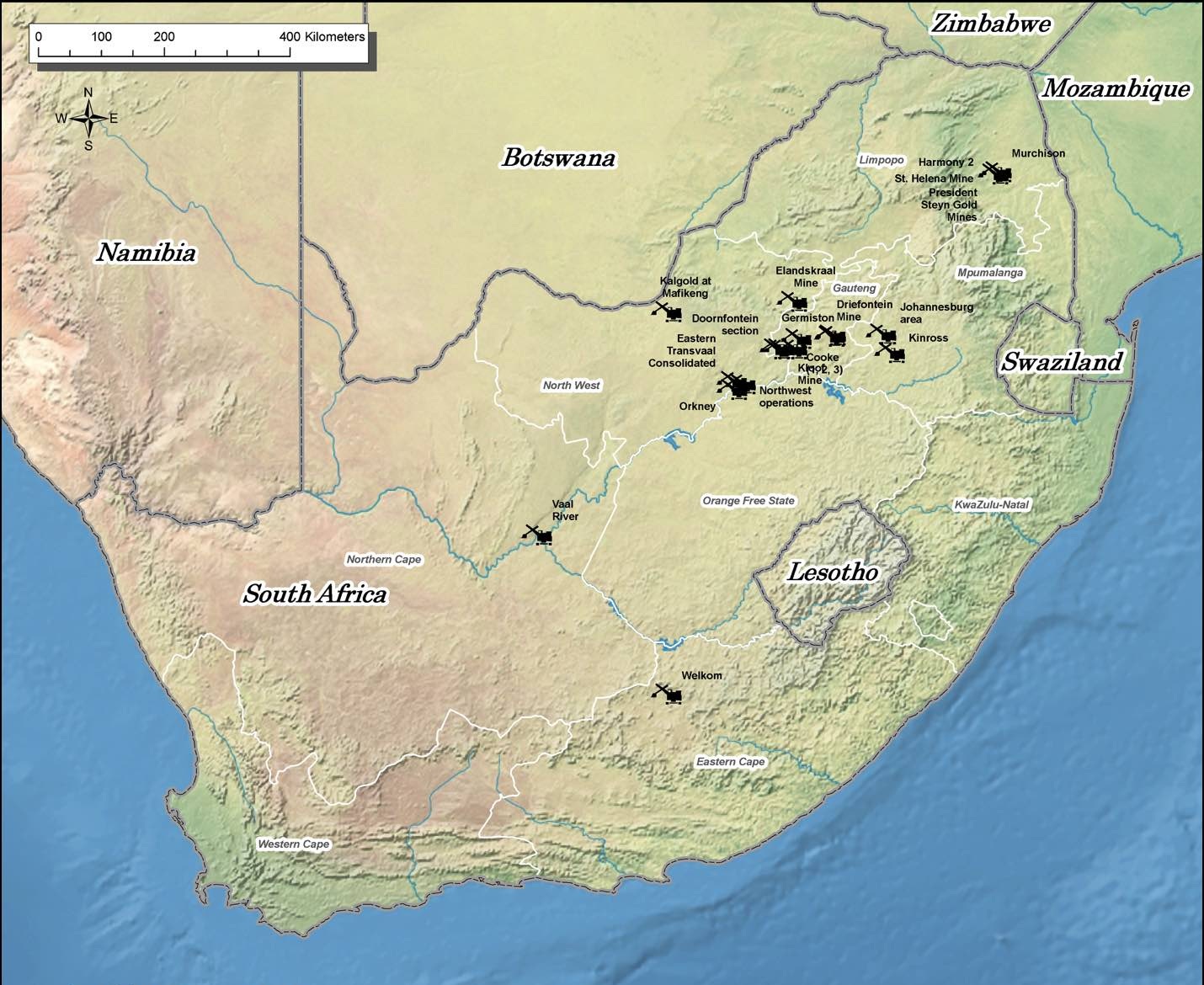
Frequently Asked Questions: Gold Processing in Southern Africa
1. How does AuCyan™ handle the highly refractory pyritic ores in South Africa?
Ores in regions like the Barberton Greenstone Belt contain complex sulfides and pyrite that consume massive amounts of cyanide. By utilizing AuCyan™ (≥98.3 % grynumo), you ensure the maximum concentration of free CN- ions, overpowering these cyanide consumers and significantly boosting the leaching kinetics of locked gold particles.
2. Why is carbon attrition a major issue in Witwatersrand CIP plants?
Large-scale Carbon-in-Pulp (CIP) plants in South Africa use powerful mechanical agitators that create immense shear force. Soft carbon will abrade into fine dust, carrying adsorbed gold straight into the tailings. AuCarb™ aktyvuota anglis boasts a ≥99% hardness, surviving this aggressive environment and securing your yield.
3. How does switching to AuLeach™ solve Beitbridge border delays for Zimbabwean mines?
The Beitbridge border crossing is notorious for delaying Class 6.1 dangerous goods (like Sodium Cyanide) due to strict hazmat inspections. „AuLeach™“ aukso išplovimo priemonė is classified as non-hazardous, allowing it to clear customs via fast-track standard industrial cargo lanes, eliminating weeks of transit delay.
4. How does AuCarb™ combat preg-robbing in Zimbabwe's greenstone belts?
Ores in Gwanda and Kadoma often contain natural carbon that prematurely robs gold from the solution. AuCarb™ is engineered with hyper-kinetic macropores. It acts faster and stronger than the natural carbon, actively stripping the gold complex from the slurry before preg-robbing can occur.
5. Does AuLeach™ help South African mines comply with the National Water Act?
Yes, absolutely. The SA Department of Water and Sanitation heavily regulates cyanide discharge. AuLeach™ is a cyanide-free, low-toxicity alternative that drastically reduces the environmental footprint of your Tailings Storage Facility (TSF), preventing toxic leaching into local groundwater.
6. Is AuLeach™ suitable for desert mining operations in Namibia?
Perfectly suited. Namibian mines (like those near Navachab) face extreme water scarcity and strict wildlife protection laws. AuLeach™ simplifies water recovery and detoxification processes, making it a safer and highly ESG-compliant choice for sensitive arid environments.
7. How do you protect Sodium Cyanide during transport from Durban and Beira to inland SADC?
Transporting through the humid coastal climate of KwaZulu-Natal into the hot interior requires premium packaging. We export AuCyan™ in heavy-gauge, UN-approved steel drums with double-layered polymeric liners, completely preventing moisture ingress and chemical degradation.
8. Do Zimbabwean artisanal mines transitioning to CIL need to modify equipment for AuLeach™?
Kapitalinių išlaidų nereikia. „AuLeach™“ rekomenduojama paros norma acts as a direct, drop-in substitute for natrio cianidas. Newly upgraded CIL or vat leaching plants in Zimbabwe can use existing tanks, pumps, and activated carbon circuits without any expensive retrofitting.
9. Can high-purity NaCN reduce overall operational costs in deep-level SA mines?
Yes. While deep-level ores are complex, using a lower-grade cyanide requires higher dosing volumes and longer leaching times. AuCyan™'s ≥98.3% purity optimizes dosing efficiency, speeds up the leaching circuit, and ultimately reduces the total cost per ounce of gold produced.
10. How can SADC processing plants order test samples?
We encourage data-driven decision-making. Plant managers and metallurgists in South Africa, Zimbabwe, and Namibia can request Nemokami bandomieji pavyzdžiai of our NaCN, Carbon, or GDA directly through our website. We will arrange delivery so you can conduct independent kinetic bottle roll tests.
- Atsitiktinis turinys
- Karštas turinys
- Karštas apžvalgos turinys
- APLINKOS VADYBOS SISTEMOS SERTIFIKATAS
- Išplėstas AN sprogmuo
- bevandenis kalcio chloridas maistui
- Dodecilbenzensulfono rūgštis
- Natrio metasilikato pentahidratas
- Maisto klasės antioksidantas T501 antioksidantas 264 antioksidantas BHT 99.5%
- Kaprilo/kaprio trigliceridas
- 1Natrio cianidas su nuolaida (CAS: 143-33-9) kasybai – aukšta kokybė ir konkurencinga kaina
- 2Natrio cianidas 98.3% CAS 143-33-9 NaCN aukso padažo priemonė, būtina kasybos chemijos pramonei
- 3Nauji Kinijos natrio cianido eksporto reglamentai ir gairės tarptautiniams pirkėjams
- 4Natrio cianidas (CAS: 143-33-9) Galutinio vartotojo sertifikatas (versija kinų ir anglų k.)
- 5Tarptautinis cianidas (natrio cianidas) valdymo kodas – aukso kasyklos priėmimo standartai
- 6Kinijos gamykla 98% sieros rūgštis
- 7Bevandenė oksalo rūgštis 99.6 % pramoninė
- 1Natrio cianidas 98.3% CAS 143-33-9 NaCN aukso padažo priemonė, būtina kasybos chemijos pramonei
- 2Didelis grynumas · Stabilus veikimas · Didesnis išgavimo rodiklis — natrio cianidas šiuolaikiniam aukso išplovimui
- 3Maisto papildai Maisto priklausomybę sukeliantis sarkozinas 99% min
- 4Natrio cianido importo taisyklės ir jų laikymasis – saugaus ir reikalavimus atitinkančio importo Peru užtikrinimas
- 5United ChemicalTyrimų komanda demonstruoja autoritetą, remdamasi duomenimis pagrįstomis įžvalgomis
- 6„AuCyan™“ didelio našumo natrio cianidas | 98.3 % grynumo, skirtas pasaulinei aukso kasybai
- 7Skaitmeninis elektroninis detonatorius (uždelsimo laikas 0–16000 XNUMX ms)


Konsultacija internetu žinutėmis
Pridėti komentarą: