Overcoming Water Scarcity & Ore Complexity in Namibia's Gold Sector: Advanced Extraction Solutions
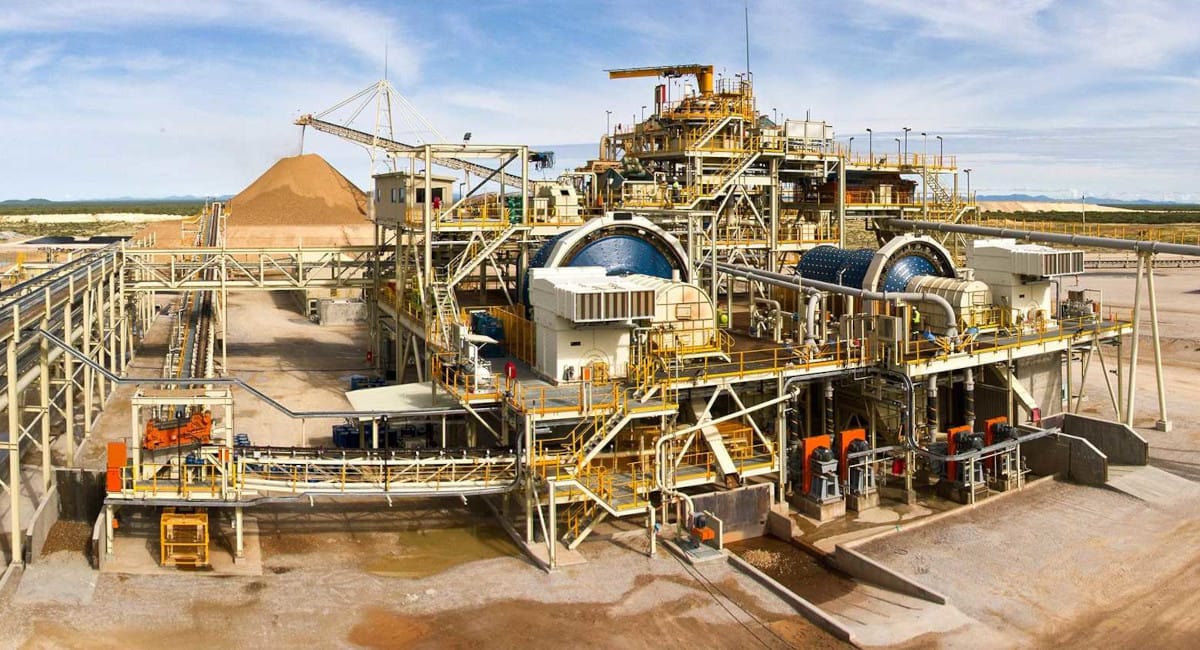
Namibia is a rising star in the global gold mining landscape, boasting world-class operations such as the Navachab Gold Mine in the Erongo Region, B2Gold’s highly efficient Otjikoto Mine in the Otjozondjupa Region, and rapidly developing projects like Osino Resources' Твин Хиллс. However, operating metallurgical plants in Namibia presents a unique set of severe environmental and geological challenges that demand highly specialized chemical reagents.
For Chief Metallurgists and Plant Managers in Namibia, three critical pain points dominate daily operations. First, Extreme Water Scarcity and Intensive Recycling: Situated in a predominantly arid, desert environment, Namibian gold plants must aggressively recycle process water. This leads to a build-up of hypersaline conditions and deleterious base metals in the CIL (Carbon-in-Leach) circuits, which significantly depresses gold leaching kinetics and heavily fouls activated Угљеник. Second, Complex Skarn Ore Mineralogy: Deposits like Navachab are characterized by complex skarn and quartz-sulfide veins. These ores often contain high concentrations of cyanicides (such as copper and pyrrhotite) which aggressively consume free цијанид, skyrocketing operational costs. Third, Strict Groundwater Protection Laws: The Namibian Ministry of Environment, Forestry and Tourism (MEFT) enforces draconian regulations regarding tailings storage and groundwater contamination, making the management of traditional hazardous chemicals a massive logistical and financial burden.
United Chemical has engineered a targeted suite of premium gold processing reagents designed specifically to conquer the harsh realities of Namibian mining. By integrating high-purity Содиум Цианиде, hyper-durable Активни угаљ, and groundbreaking non-hazardous leaching agents, we guarantee maximized gold recovery, minimal reagent waste, and complete environmental compliance.
The Ultimate Chemical Matrix for Namibian Gold Plants
AuCyan™ натријум цијанид NaCN (≥98.3%)
Processing the complex, copper-bearing skarn ores of the Damara Belt requires a lixiviant with uncompromising purity to maintain effective free cyanide levels without excessive dosing.
Overcoming High Cyanicide Consumption: With a guaranteed purity of ≥98.3%, AuCyan™ delivers maximum active CN⁻ ions. This minimizes the formation of undesirable base-metal thiocyanate complexes, ensuring that the maximum amount of reagent is dedicated purely to gold dissolution, sharply reducing overall consumption rates per ton of ore milled.
Walvis Bay Import Compliance: Packaged in rigorously tested, UN-certified robust steel drums with internal heavy-duty PVC bags, AuCyan™ is engineered to withstand the extreme heat of the Namib desert during transit from the Port of Walvis Bay to remote inland mine sites.
AuCarb™ активни угаљ од кокосове љуске за регенерацију злата (тврдоћа ≥99%)
In Namibia's highly intensive water-recycling CIL circuits, activated carbon is subjected to elevated salinity and aggressive mechanical agitation. Inferior carbon leads to catastrophic gold loss.
Zero-Attrition in Hypersaline Circuits: Manufactured from premium, high-density Indonesian Кокосова љускаs, AuCarb™ achieves an exceptional hardness rating of ≥99%. It remains structurally intact despite continuous pumping and high-shear agitation, eliminating the generation of gold-loaded carbon fines that are typically lost to the tailings dam.
Resistance to Organic Fouling: The precisely engineered macro and micro-pore structure of AuCarb™ ensures rapid gold adsorption kinetics [Au(CN)₂⁻], effectively outcompeting the organic and inorganic foulants commonly found in heavily recycled Namibian process water.
AuLeach™ средство за излучивање злата (GDA) - неопасно
Protecting Namibia's fragile desert aquifers is a national priority. AuLeach™ provides a revolutionary, cyanide-free extraction alternative that aligns perfectly with stringent MEFT regulations.
Groundwater Safe & Cyanide-Free: As a certified non-hazardous reagent, AuLeach™ eliminates the risk of toxic cyanide seepage into critical groundwater reserves. It drastically reduces the cost and complexity of Tailings Storage Facility (TSF) management and cyanide detoxification (INCO process) requirements.
Frictionless Logistics from Walvis Bay: Because AuLeach™ is not classified as Class 6.1 Dangerous Goods, it bypasses the lengthy hazmat permitting processes at the Port of Walvis Bay. This ensures faster clearance, cheaper inland freight costs, and immediate availability for plant operations without requiring capital retrofits.
Optimized Logistics Hub: Port of Walvis Bay to the Mine Gate
In a vast country like Namibia, reliable logistics are just as critical as chemical purity. United Chemical leverages the strategic advantage of the Лука Валвис Беј to ensure uninterrupted reagent supply.
Streamlined Customs & Port Handling: We work directly with licensed Namibian clearing agents specializing in both hazardous (NaCN) and non-hazardous (Carbon, GDA) cargo, ensuring zero demurrage delays at Walvis Bay.
Secure Inland Transport: Utilizing the Trans-Kalahari and local rail/road networks, we guarantee safe, compliant, and rapid delivery directly to mine sites in Karibib (Erongo) and Otavi (Otjozondjupa) regions.
Prove the Recovery Gains on Your Namibian Ore
Stop losing ounces to carbon fines and high cyanicide consumption. We invite Namibian Plant Managers and Laboratory Superintendents to request complimentary samples of AuCyan™, AuCarb™, or AuLeach™ for comprehensive bottle-roll and CIL pilot testing.
Затражите бесплатне лабораторијске узорке сада
Frequently Asked Questions: Gold Mining Chemicals in Namibia
1. How does AuCyan™ handle the high copper content often found in Namibian skarn ores?
Skarn deposits in regions like Erongo frequently contain copper sulfides which act as powerful cyanicides, consuming standard cyanide rapidly. AuCyan™ (чистоћа ≥98.3%) provides a highly concentrated, stable source of free CN⁻ ions, which helps satisfy base metal demand while leaving sufficient active cyanide to maintain high gold dissolution rates.
2. Why is AuCarb™ recommended for plants that heavily recycle process water in arid climates?
Namibian gold plants recycle almost all process water, leading to hypersalinity and a build-up of organic foulants. AuCarb™ кокосов активни угаљ possesses a highly specific mesopore/micropore structure that strongly targets the aurocyanide complex, resisting fouling from recycled water better than standard coal-based carbons.
3. Is AuLeach™ compliant with the Namibian Ministry of Environment, Forestry and Tourism (MEFT) regulations?
Апсолутно. AuLeach™ GDA is a cyanide-free, non-hazardous gold leaching agent. It aligns perfectly with MEFT’s strict mandates to protect vulnerable desert groundwater systems, significantly lowering a mine's environmental liability and simplifying Environmental Clearance Certificate (ECC) renewals.
4. What are the logistics routes for importing United Chemical reagents into Namibia?
All our chemical shipments for Namibia are routed through the highly efficient Лука Валвис Беј. From there, via the Trans-Kalahari corridor and national road networks, we deliver directly to major mining hubs in the Erongo and Otjozondjupa regions.
5. Does extreme desert heat affect the storage or efficacy of AuCyan™?
Не. AuCyan™ is stabilized during manufacturing and is packaged in heavy-gauge steel drums with moisture-proof, hermetically sealed inner bags. As long as it is stored in a dry, well-ventilated chemical bunker away from direct sunlight, it remains 100% stable in Namibian desert temperatures.
6. Can AuLeach™ be used in existing Carbon-in-Leach (CIL) plants like Otjikoto without retrofitting?
Да. AuLeach™ is a direct "drop-in" substitute for натријум цијанид. It utilizes the exact same agitation tanks, pH control systems, and activated carbon adsorption (CIL/CIP) circuits, requiring absolutely no capital expenditure for plant modifications.
7. How does AuCarb™ prevent carbon loss in high-shear agitators?
Carbon loss translates directly to gold loss. AuCarb™ is subjected to intense steam activation and dedusting processes, achieving a mechanical hardness of ≥99%. It withstands the brutal shear forces of large impellers in CIL tanks, drastically reducing the generation of fine carbon dust.
8. Do you provide technical support for optimizing CIL circuits in Namibia?
Апсолутно. United Chemical is not just a supplier; we are metallurgical partners. We provide continuous technical consultations, remote circuit data analysis, and guidance on optimal reagent dosing for your specific Namibian ore profile.
9. What is the process for clearing AuLeach™ through Namibian customs compared to Sodium Cyanide?
Sodium Cyanide (Class 6.1) requires rigorous hazmat permits, secure escorts, and extensive documentation via Walvis Bay. AuLeach™, being non-hazardous, clears customs as general industrial cargo, stripping away weeks of administrative delays and significantly lowering inland freight costs.
10. How can my mine in Namibia obtain free testing samples?
It’s simple. Contact us through our website with your mine's basic operational data (ore type, daily throughput). We will dispatch a Free Lab Sample Kit (AuCyan™, AuCarb™, or AuLeach™) via international courier directly to your onsite laboratory for independent bottle-roll testing.
- Случајни садржај
- Врући садржај
- Врући садржај рецензије
- Проширени АН експлозив
- Калијум перманганат - индустријски квалитет
- Цијансирћетна киселина 99% прах
- Баријум карбонат 99% прах
- Фосфорна киселина 85% (прехрамбена)
- Изобутил винил етар 98% високе чистоће сертификовани професионални произвођач
- Стронцијум карбонат
- 1Снижени натријум цијанид (ЦАС: 143-33-9) за рударство – висок квалитет и конкурентне цене
- 2Натријум цијанид 98.3% CAS 143-33-9 NaCN златно средство за прераду, неопходно за рударску хемијску индустрију
- 3Кинески нови прописи о извозу натријум цијанида и упутства за међународне купце
- 4Натријум цијанид (ЦАС: 143-33-9) Сертификат крајњег корисника (кинеска и енглеска верзија)
- 5Међународни кодекс управљања цијанидом (натријум цијанид) - Стандарди прихватања рудника злата
- 6Кина фабрика сумпорна киселина 98%
- 7Анхидрована оксална киселина 99.6% индустријског квалитета
- 1Натријум цијанид 98.3% CAS 143-33-9 NaCN златно средство за прераду, неопходно за рударску хемијску индустрију
- 2Висока чистоћа · Стабилне перформансе · Већи опоравак — натријум цијанид за модерно излучивање злата
- 3Додаци исхрани Саркозин који изазива зависност од хране 99% мин
- 4Прописи о увозу натријум цијанида и усклађеност – обезбеђивање безбедног и усклађеног увоза у Перу
- 5United ChemicalИстраживачки тим показује ауторитет кроз увиде засноване на подацима
- 6AuCyan™ високо ефикасни натријум цијанид | Чистоћа 98.3% за глобално рударство злата
- 7Дигитални електронски детонатор (време кашњења 0~16000мс)


Онлине консултације за поруке
Додај коментар: