
Advanced Gold Extraction Chemicals for Colombian Metallurgy
Optimizing Refractory Ores Across the Antioquia and Segovia Belts
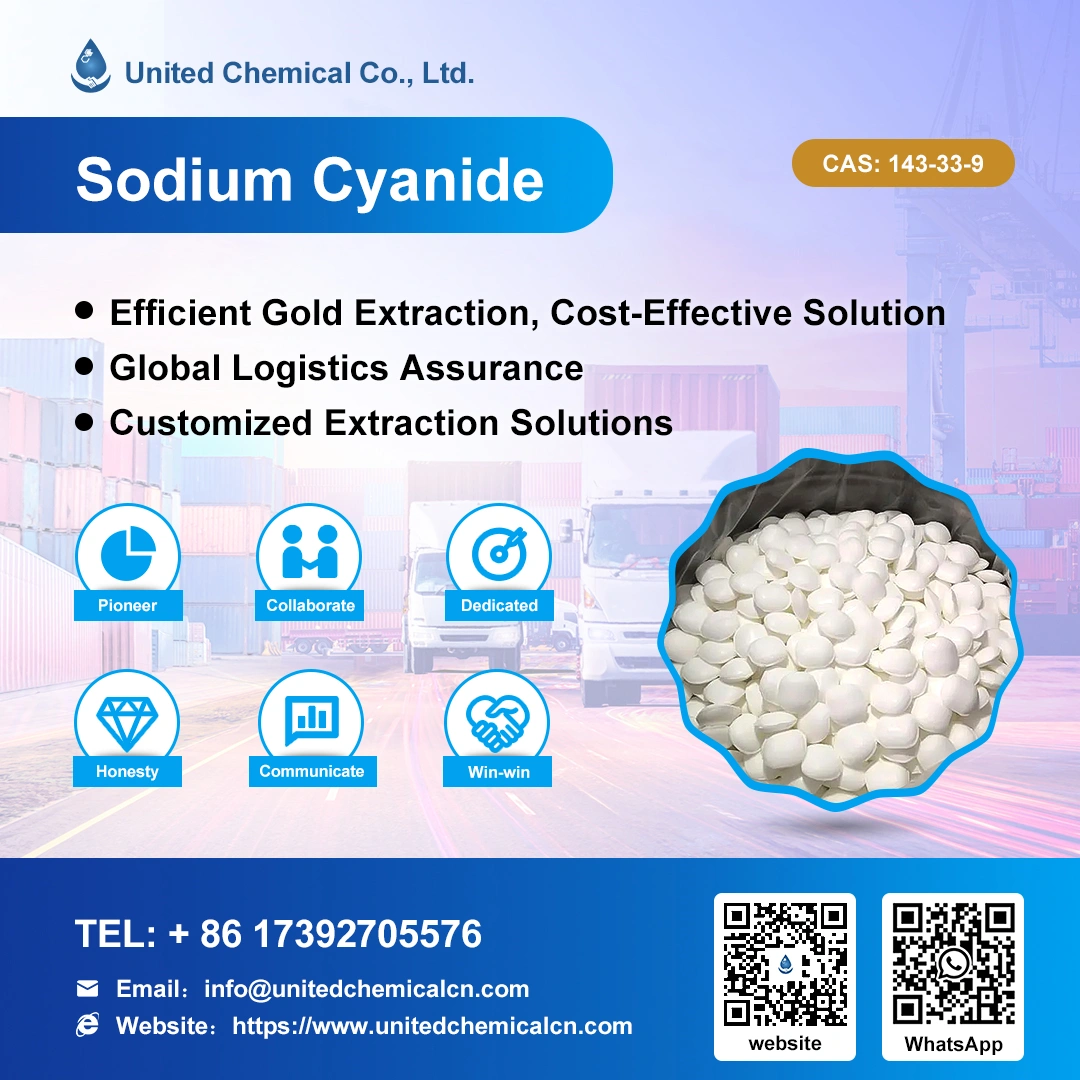
United Chemical supplies guaranteed purity AuCyan™ Sodium Cyanide NaCN (≥98.3%), AuCarb™ Gold Recovery Coconut Shell Activated Carbon (≥99% Hardness), and non-hazardous AuLeach™ Gold Leaching Agent (GDA) to empower Heap leaching, Vat leaching, CIP, CIL, and CIC operations across the Colombian mining sector.
The Colombian Mining Landscape: A Convergence of Geological and Environmental Challenges
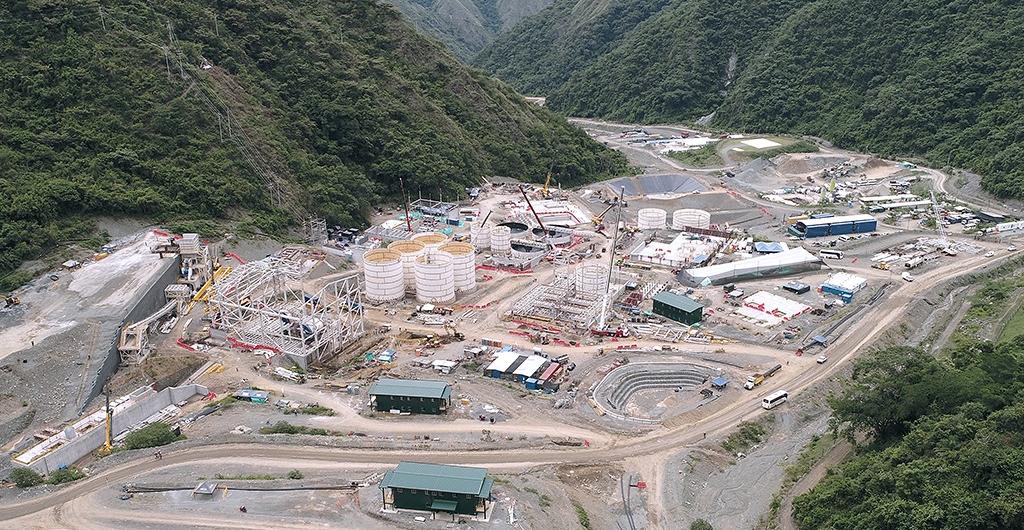
Colombia is witnessing a transformative era in commercial gold extraction. From the world-class underground operations in Antioquia (such as the Buriticá and Segovia-Remedios belts) to the rich deposits in Caldas (Marmato) 'me E kopane, the nation offers immense metallurgical potential. However, Colombian mineralogy often presents complex, refractory sulfide ores containing pyrites and tellurides. Furthermore, the extreme tropical rainfall and humidity of the Andean geography place immense stress on the storage and stability of mining chemicals.
As a leading manufacturer proudly exporting to Linaha tsa 77 + lefatšeng lohle, United Chemical delivers custom-engineered chemical infrastructures that combat these specific constraints. We recognize the rigorous environmental mandates enforced by Colombia's National Authority of Environmental Licenses (ANLA), providing both high-strength conventional reagents and revolutionary non-hazardous alternatives to ensure your operations remain highly productive and 100% compliant across Khabone e ka hare ho Makhasi (CIP), Khabone e ka hare ho Leach (CIL), Khabone e ka hare ho Kholomo (CIC), Ho ntsha metsi ka bongata, le ho ntsha metsi ka har'a Vat.
To ensure absolute logistics security and uninterrupted supply chains, we operate exclusively via maritime ocean freight. We execute transactions under FOB (Likou tsa Chaena) kapa CIF terms directly to Colombia’s vital maritime gateways, including the Port of Buenaventura (Pacific), Port of Cartagena, and Port of Barranquilla (Caribbean). We do not utilize international railway transport. Supported by a strict Minimum Order Quantity (MOQ) of 1x20' FCL, we guarantee factory-direct pricing for commercial-scale operators.
1. Overcoming Colombian Operational Bottlenecks
Extreme Tropical Humidity & Storage
Regions like Chocó and the Andean slopes experience some of the highest rainfall globally. Standard chemical packaging fails under high humidity, causing Sodium cyanide to rapidly hydrolyze and degrade before it even reaches the leaching vats.
Refractory Sulfides (Cyanicides)
The Segovia-Remedios belt produces ores rich in sulfides (pyrite, sphalerite). These act as severe oxygen and cyanide scavengers, rapidly depleting weak reagents and drastically reducing overall gold dissolution rates in CIL tanks.
Stringent ANLA Environmental Scrutiny
As the Colombian government fiercely cracks down on illegal mining and toxic discharge, large commercial plants face immense permitting pressure. Transporting and detoxifying traditional Class 6.1 cyanide requires heavy security escorts and exorbitant compliance OPEX.
2. Khutlotharo ea Khauta: United Chemical's Solutions for Colombia
AuCyan™ Sodium Cyanide NaCN (≥98.3%)
Tekanyetso ea Bohloeki: ≥98.3%To overpower the refractory sulfides found in the Antioquia gold belts, AuCyan™ Sodium Cyanide NaCN delivers unparalleled chemical aggression. We strictly guarantee a minimum purity of ≥98.3% (with factory analyses routinely at 98.5%). This massive concentration of free CN⁻ ions rapidly cuts through complex base metals, ensuring your gold dissolution kinetics remain fast and efficient.
Anti-Hydrolysis Packaging: Sealed in UN-certified 50kg steel drums or heavy-duty 1,000kg wooden boxes. Every container features a thick internal Polyethylene (PE) liner, absolutely preventing moisture ingress during transit through Buenaventura and storage in high-rainfall regions.
Stable pH Buffering: Low unreacted sodium hydroxide (NaOH) content minimizes scaling in pipes and heat exchangers.
📊Tlhaloso ea Tekheniki: Tekanyetso ea Bohloeki ea 98.3%
Ka ho feta litekanyetso tsa indasteri, lihlopha tsa rona tsa morao-rao tsa tlhahiso li lula li fihlela limaraka tsa "Boleng bo Phahameng". Ka tlase ke lintlha tsa ts'ebetso tse netefalitsoeng.
| Lintho tsa liteko | E Tloaelehileng (GB/T 19306-2003) | AuCyan™ (E Tloaelehileng) | Tšusumetso ea Ts'ebetso |
|---|---|---|---|
| Sodium Cyanide (NaCN) | ≥ 98.0% | 98.3% | Sekhahla se phahameng ka ho fetisisa sa ho qhibiliha ha khauta le sekhahla sa ho hlaphoheloa. |
| Sodium Hydrooxide (NaOH) | ≤ 0.5% | 0.13% | Ho tsitsa ha pH ho phahameng; ho thibela hydrolysis pele ho nako. |
| Sodium Carbonate (Na2CO3) | ≤ 0.5% | 0.18% | Ho fokotswa tšitiso ya ditshila tharollong ya ho dutla. |
| Mongobo (H2O) | ≤ 0.9% | 0.3% | Ho matlafatsa botsitso bo tiileng nakong ea polokelo ea nako e telele le lipalangoang tsa leoatle. |
| Lintho tse Insoluble | ≤ 0.05% | 0.02% | Foromo e thibelang ho thibana; e sireletsa lipompo le li-nozzle tsa bohlokoa. |
Khabone e Sebedisitsweng ya Kokonate ya Kgauta ya AuCarb™
Boima ba Pane ea Ball-Pan: ≥99%In high-density CIP and CIL agitation tanks, soft activated k'habone is crushed into fine dust, carrying your adsorbed gold straight into the tailings dam. AuCarb™ Khabone e Butswehang is manufactured from hand-selected, high-density Khetla ea kokonates via rigorous steam activation. We guarantee an elite ball-pan hardness of ≥99%, virtually eliminating mechanical attrition loss.
Kinetics ea Adsorption e Potlakileng: Extremely high Iodine and CTC activity ensure that gold-cyanide complexes are stripped from the solution quickly, increasing total plant throughput.
Dikahare tse tlase tsa diplatelete: Engineered at ≤5% platelets to resist organic poisoning and ensure highly efficient elution and thermal regeneration cycles.
📊 Letoto la AuCarb™: Tafole ea Papiso ea Intuitive ea Liparamente tsa Motheo
Ho nolofatsa ts'ebetso ea khetho e bonolo haholoanyane e etselitsoeng potoloho ea hau ea tšepe e ikhethileng, re akarelitse liparamente tsa mantlha tsa tekheniki tsa mefuta ea rona e mene ea AuCarb™.
| Paramethara ea Teko ea Motheo | AuCarb™ BC1100 | AuCarb™ AC50 | AuCarb™ AC55 | AuCarb™ AC60 |
|---|---|---|---|---|
| Boemo ba ho Lekanya 'Maraka | Tshebetso e Tloaelehileng ea Heap Leach / Litšenyehelo tse Phahameng | Sehlahisoa se ka bapisoang: Jacobi G208S | Sehlahisoa se ka bapisoang: Jacobi G209S | Khetho e tsoetseng pele bakeng sa Sekala se Seholo / E ka bapisoang: Jacobi G210S |
| Boima bo hlakileng | 0.40 - 0.50 g/ml | 0.48 - 0.55 g/ml | 0.45 - 0.55 g/ml | 0.45 - 0.55 g/ml |
| Bothata ba pane ea bolo | ≥ 98.5% | ≥ 99% | ≥ 99% | ≥ 99% |
| Dikahare tsa Diplatelete | ≤ 5% | ≤ 5% | ≤ 5% | ≤ 5% |
| Pheko | ≤ 2% | ≤ 1.5% | ≤ 2% | ≤ 2% |
| Kakaretso ea Molora | ≤ 5% | ≤ 3% | ≤ 3% | ≤ 3% |
| mongobo | ≤ 10% | ≤ 5% | ≤ 5% | ≤ 5% |
| Bokgoni ba ho Adsorption (Boleng ba K) | / | ≥ 26 Kg/t | ≥ 28 Kg/t | ≥ 30 Kg/t |
| Sekhahla sa ho monya metsi (Boleng ba R) | / | ≥ 50% | ≥ 55% | ≥ 60% |
| Nomoro ea Iodine | ≥ 1100 mg/g | / | / | / |
| Mosebetsi oa Butane | / | ≥ 19.5% | ≥ 21% | ≥ 23% |
| CTC (Mosebetsi oa Tetrachloride ea Khabone) | / | ≥ 50% | ≥ 55% | / |
* Maemo a Phethahatso: E latela maemo a Amerika a ASTM le maemo a teko ea merafo ea ka hare ea AARL. Sehlahisoa se fetile tlhahlobo ea motho oa boraro 'me lisampole tsa liteko li ka fanoa ha li kopuoa.
Moemeli oa ho Leaching Khauta oa AuLeach™ (GDA) - Ha o Kotsi
Sesebediswa se seng KotsiTo navigate the intense regulatory scrutiny of ANLA and secure community approval across environmentally sensitive Colombian municipalities, Moemeli oa ho Leaching Khauta oa AuLeach™ (GDA) is the definitive solution. Globally certified as a E seng Kotsi k'hemik'hale, AuLeach™ e nka sebaka ka botlalo sodium cyanide, slashing the massive overhead of military transit escorts and complex chemical import permits.
Lisebelisoa tsa CAPEX tse se nang letho: It is a 100% drop-in replacement. Simply utilize your existing Heap leaching pads, Vat leaching tanks, and CIL infrastructure without modifying pumps or adding new equipment.
Frictionless Andean Logistics: Shipped as general cargo, bypassing dangerous goods restrictions at Cartagena and Buenaventura ports, accelerating delivery times to the mine site.
Drastic OPEX Reduction: Significantly reduces the cost of tailings detoxification (such as INCO SO₂/Air) before discharging into sensitive mountain watersheds.
Validate Performance on Your Colombian Ore Samples
Are high-sulfide ores slowing your recovery? Are strict ANLA regulations delaying your project? We invite Colombian Metallurgists, Plant Directors, and Supply Chain Managers to evaluate our chemical superiority independently.
📌 Ho fumaneha ha Sampole ea Laboratori mahala:
United Chemical ka thabo e fana ka disampole tsa liteko tsa laboratori tsa mahala bakeng sa Khabone e Sebedisitsweng ya Kokonate ya Kgauta ya AuCarb™ le Moemeli oa ho Leaching Khauta oa AuLeach™ (GDA) - Ha o Kotsi. Run comprehensive bottle roll and column tests to verify our kinetic advantages before placing a bulk order.
* Thomello e kgolo ya kgwebo lefatsheng ka bophara e qala fekthering Bongata bo Tlase ba Odara (MOQ) ba 1x20' FCL ka dipehelo tsa lewatle tsa FOB kapa CIF.
Frequently Asked Questions: Colombian Metallurgy & Logistics
1. How does AuCyan™ maintain stability in Colombia's extremely humid, high-rainfall regions?
Sodium cyanide is highly hygroscopic; exposure to tropical humidity in regions like Chocó or Antioquia can cause it to absorb moisture, hydrolyze, and lose active CN⁻ strength before use. To combat this, AuCyan™ (≥98.3%) is manufactured with a remarkably low moisture content (≤0.3%) and is packaged in highly secure, UN-certified 50kg steel drums or 1,000kg reinforced wooden boxes. Crucially, every package contains a thick, heat-sealed inner polyethylene (PE) liner, ensuring the briquettes remain 100% dry and stable during prolonged storage at the mine site.
2. Which Colombian maritime ports do you utilize for CIF deliveries?
To ensure optimal inland routing for our mining partners, we offer comprehensive maritime shipping to both the Pacific and Caribbean coasts. Under CIF terms, we regularly dispatch ocean containers to the Boema-kepe ba Buenaventura (ideal for western and central Andean operations) and the Port of Cartagena / Barranquilla (for northern operations). Once the cargo is cleared at the destination port, the client's appointed local logistics provider manages the inland trucking to the specific mine site.
3. Does the ANLA (National Authority of Environmental Licenses) permit the use of AuLeach™?
E. Hobane Moemeli oa ho Leaching Khauta oa AuLeach™ (GDA) is globally certified as a E seng Kotsi chemical substance (unlike DG Class 6.1 Sodium Cyanide), it aligns perfectly with the stringent environmental conservation mandates enforced by the ANLA and regional autonomous corporations (CARs). Utilizing AuLeach™ vastly simplifies the environmental licensing process for new concessions, eliminates the requirement for heavily armed inland transport escorts, and significantly lowers the toxicity of your tailings discharge.
4. Why is a ≥99% hardness rating critical for E entsoe ka Carbon in Colombian CIL plants?
In modern Carbon-in-Leach (CIL) plants, the ore slurry is subjected to continuous, high-shear mechanical agitation. If the activated carbon is soft or poorly activated, the impeller blades will grind the carbon granules into microscopic dust. This fine carbon—now loaded with your extracted gold—will pass through the retaining screens and be permanently lost in the tailings pond. AuCarb™ provides a guaranteed ball-pan hardness of ≥99%, ensuring immense structural integrity and maximizing your ultimate gold yield.
5. Are there any capital expenditure (CAPEX) costs to switch from Cyanide to AuLeach™?
Absolutely zero. AuLeach™ is engineered as a 100% direct drop-in replacement for Sodium cyanide. Colombian plant managers do not need to purchase new leaching tanks, alter their Heap leach drip irrigation systems, or modify their carbon elution and electrowinning circuits. You simply substitute the cyanide with AuLeach™ in your dosing regime, utilizing standard hydrated lime to maintain the optimal pH level (usually between 10.5 and 11.5).
6. How does AuCyan™ perform against the refractory sulfide ores found in Segovia?
Ores from regions like the Segovia-Remedios belt often contain refractory sulfides (such as pyrite and sphalerite) which consume large amounts of oxygen and reagent. AuCyan™ Sodium Cyanide delivers an ultra-high purity of ≥98.3%, ensuring an overwhelming concentration of free CN⁻ ions. This aggressive formulation rapidly penetrates the ore matrix, preventing the base metals from entirely depleting the cyanide before the gold can be fully dissolved, thus securing high recovery rates.
7. Do you provide railway transport for inland deliveries in South America?
No. Due to severe international safety regulations governing the movement of hazardous chemicals and the logistical complexities of the Andean geography, we strictly prohibit the use of international railway transport for our exports. We secure our supply chain exclusively via maritime ocean container shipping.
8. What is the Minimum Order Quantity (MOQ) for exporting mining chemicals to Colombia?
To guarantee factory-direct pricing, protect the integrity of the chemical packaging, and optimize maritime freight costs across the Pacific, our strict MOQ is 1x20' FCL (Mojaro o Felletseng oa Setshelo). This policy applies universally to AuCyan™, AuCarb™, and AuLeach™. Depending on the product and packaging type, a single 20-foot container typically accommodates between 10 to 20 metric tons of material.
- Litaba tse sa reroang
- Likahare tse chesang
- Likahare tse chesang tsa tlhahlobo
- China feme ea Sulfur Acid 98%
- Matla a phahameng a Shock tube (VOD≧2000m/s)
- Ammonium Nitrate Porous Prills
- Leseli
- Fertilizer magnesium sulfate/magnesium sulfate monohydrate
- Phosphoric Acid 85% (Mophato wa dijo)
- Sodium Metasilicate Pentahydrate
- 1Sodium Cyanide e theotsoeng (CAS: 143-33-9) bakeng sa Merafo - Boleng bo Phahameng le Litheko tsa Tlholisano
- 2Sodium Cyanide 98.3% CAS 143-33-9 Sehlahisoa sa khauta sa NaCN se Hlokahalang bakeng sa Liindasteri tsa Lik'hemik'hale tsa Merafo
- 3Melawana e Metjha ya China mabapi le Thomelo ya Sodium Cyanide le Tataiso bakeng sa Bareki ba Matjhaba
- 4Sodium Cyanide (CAS: 143-33-9) Setifikeiti sa mosebelisi oa ho qetela (phetolelo ea Sechaena le Senyesemane)
- 5Cyanide ea Machaba (Sodium cyanide) Khoutu ea Tsamaiso - Melao ea Kamohelo ea Merafo ea Khauta
- 6China feme ea Sulfur Acid 98%
- 7Anhydrous Oxalic acid 99.6% Kereiti ea Liindasteri
- 1Sodium Cyanide 98.3% CAS 143-33-9 Sehlahisoa sa khauta sa NaCN se Hlokahalang bakeng sa Liindasteri tsa Lik'hemik'hale tsa Merafo
- 2Bohloeki bo Phahameng · Ts'ebetso e tsitsitseng · Pholiso e Phahameng - sodium cyanide bakeng sa leaching ea khauta ea sejoale-joale
- 3Litlatsetso tsa Phepo Lijo tse Lemaletseng Sarcosine 99% min
- 4United ChemicalSehlopha sa Bafuputsi se Bontša Bolaoli ka Boitsebiso bo Tsamaisang Boitsebiso
- 5AuCyan™ Sodium Cyanide e Sebetsang ka Bongata | 98.3% Bohloeki bakeng sa Merafo ea Khauta ea Lefatše
- 6Digital Electronic Detonator (Nako ea ho lieha 0 ~ 16000ms)
- 7Matla a phahameng, a Phahameng ka ho Fetisisa a Shock Tube Detonator


Khokahano ea molaetsa oa inthaneteng
UnitedChemical Kenya maikutlo: