
INtroduksi
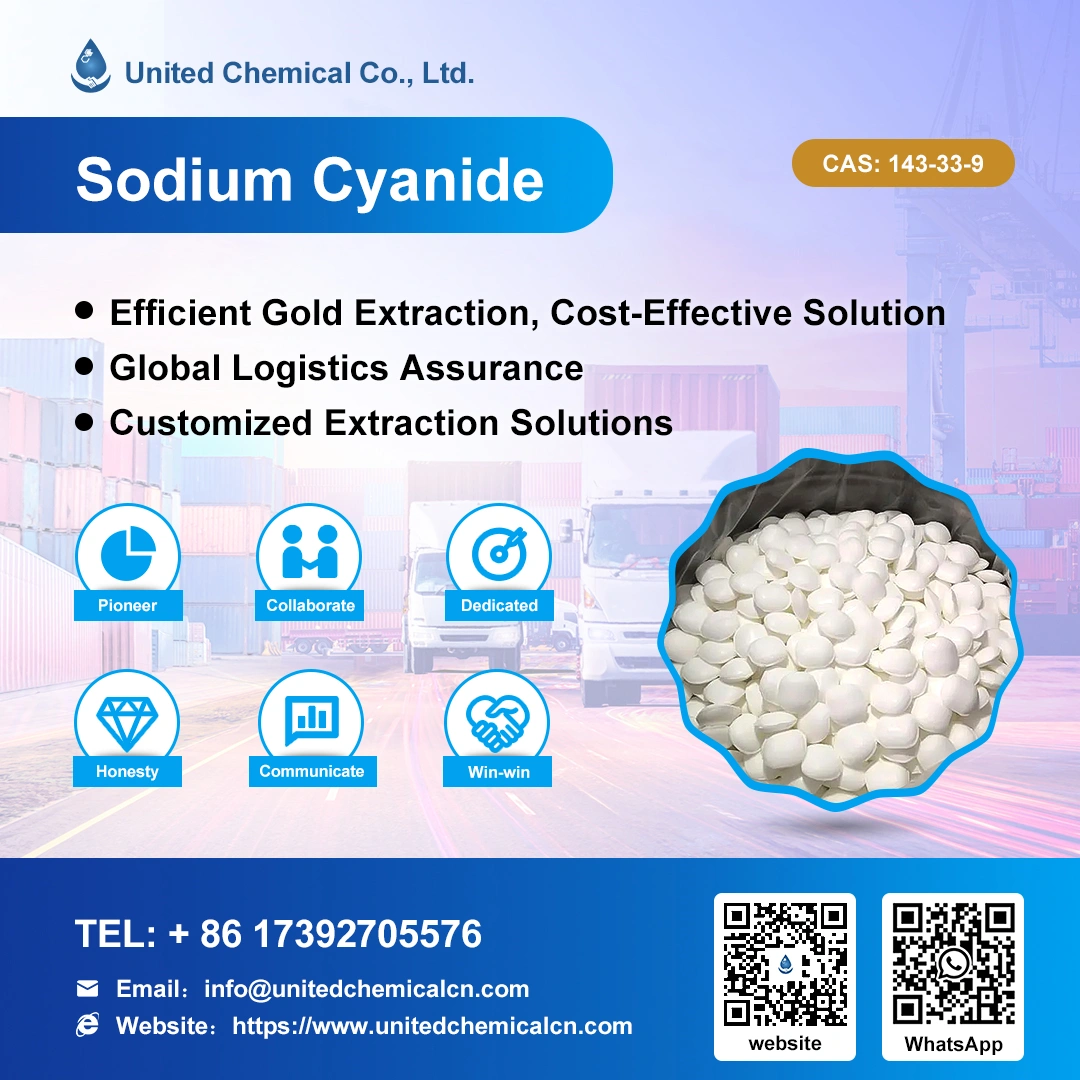
sianida jeung Nils are two classes of sanyawa kimia that play crucial roles in various prosés industri. Sianida, characterized by the presence of the sianida ion (CN⁻), are utilized in a wide range of aplikasi. Contona, dina Industri pertambangan, sianida is employed in the Ékstraksi Logam Mulia siga emas jeung perak. The process involves the use of solusi sianidas to dissolve the metals from their ores, taking advantage of the strong complex - forming ability of the ion sianida with these metals. This method, known as Sianidasi, is highly effective in separatimahg gold and silver from other mineral, MAking it an indispensable technique in the sektor pertambangan.
Nitriles, on the other hand, which contain the - CN functional groUP, are equally important in the industri kimia. They are used in the produksi of a variety of produk. dina Manufaktur of serat sintétik, such as the well - known acrylic serats, nitriles are key bahan atahs. Polyakrilonitril, a type of polymer made from acrylonitrile (a nitrile), is the main component of acrylic fibers. These fibers are widely used in the industri tékstil kusabab anu dipikahoyong ku aranjeunna pasipatan like good strength, resistance to sunlight, and easy maintenance. Nitriles are also used in the sintésis of plastik, karet, sarta farmasi. dina industri farmasi, they serve as important panengah in the production of many ubar, contributimahg to the development of medications that treat various diseases.
However, despite their extensive aplikasi industri, sianida and nitriles are also notorious for their Toksisitas tinggi. Cyanides are among the most rapidly acting poisons known to humans. Even a small amount of sianida can be lethal. When cyanide enters the body, it binds to cytochrome c oxidase, an enzyme essential for cellular respiration. This binding disrupts the normal function of the enzyme, preventing cells from using oxygen effectively. As a result, cells are unable to produce energy, mingpining to rapid cell death and, in severe cases, death of the organism. Nitriles, while generally less toksik than cyanides, can still cause significant harm to Kaséhatan Manusa. They can be absorbed through the skin, réspiratory system, or digestive tract, and bubuka to high levels of nitriles can lead to symptoms such as nausea, vomiting, H.E.A.dACHe, and in extreme cases, damage to the nervous system and other vital organs.
Given their wide - spread use in industries and their potential to cause harm to human health and the lingkungan, it is essential to have a comprehensive understanding of cyanides and nitriles. This includes knowledge about their pasipatan kimia, Aplikasi Industrial, karacunanMEChanisms, and Ukuran Kasalametan keur nanganan and disposal. In the following sections, we will delve deeper into each of these aspects to provide a more in - depth view of these important yet potentially dangerous Sanyawa Kimia.
Klasifikasi jeung Pasipatan Dasar
Sanyawa sianida
Hidrogén sianida (HCN) Dupi anu teu warnaan gas with a faint, characteristic bitter - almond odor. However, it's important to note that a significant portion of the population, about 20 - 40% of people, cannot detect this smell due to a genetic trait. It is highly leyur dina cai, alcohol, and éter. Hidrogén Sianida is extremely volatile and has a titik golak of only 25.7 °C. This volatility makes it easy to disperse in the air. In the air, when its concentration reaches 5.6% - 12.8%, it forms an bitucampur gaulure, posing a serious threat in industrial settings where it might be present. Its Solusi cai katelah asam hidrosianat, anu mangrupakeun Asem lemah tapi tetep kacida toksik.
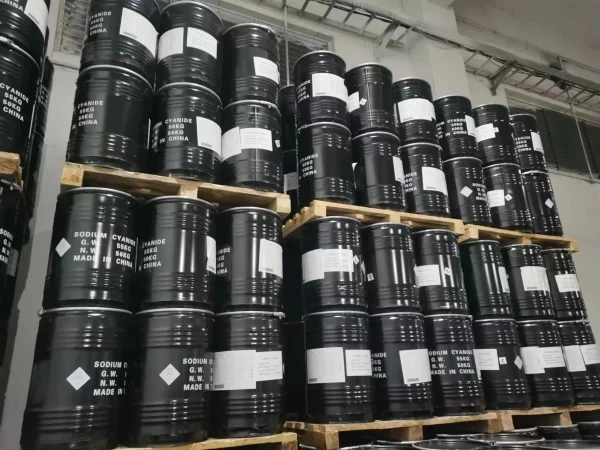
Natrium sianida (NaCN) jeung Kalium sianida (KCN) are both bodaskristalin padets. Natrium Sianida ngabogaan titik lebur of 563.7 °C and a boiling point of 1496 °C, while Kalium Sianida has a melting point of 634.5 °C. They are highly leyur in cai. In humid air, both Natrium sianida jeung kalium sianida can hydrolyze to produce hidrogén sianida, which is why they also have a faint bitter - almond smell. These two compounds are among the most well - known and Kacida toksik cyanides. Even a small amount, as little as a few milligrams, can be lethal if ingested or inhaled.
asetonitril (CH₃CN), the simplest nitrile, is a warnaan liquid with a characteristic, somewhat aromatic odor. It is kaliru with water and a wide range of pangleyur organik sapertos Métanol, étanol, sarta aseton. This high kaleyuran in both polar and non - pangleyur kutub makes it a useful pangleyur dina seueur prosés kimia, utamana dina widang kromatografi jeung sintésis organik. It has a relatively low boiling point of 81.6 °C, which allows for easy evaporation and papisahan pasti Aplikasi industri. However, it is also kaduruk, and its vapor can form explosive mixtures with air in the range of 3.0% - 16.0% by volume.
Propionitrile (C₂H₅CN) is another Sanyawa Nitrile. It is a colorless liquid with an éter - like odor. It has a melting point of - 92.78 °C and a boiling point of 97.1 °C. Propionitrile is soluble in water to a certain extent (about 10.3% at 25 °C) and is also miscible with common Larangan organik like alcohols and ethers. It is used in various Sintésis organikréaksis, for example, as a pangleyur atawa hiji panengah dina produksi farmasi jeung nu séjénna Kimia Rupa.
Acrylonitrile (CH₂=CHCN) is a colorless liquid with a pungent, acrid odor. It is soluble in water, as well as in pangleyur organiks sapertos étanol, ether, and bénzéna. Acrylonitrile is a very important kimia industri. It has a boiling point of 77.3 °C and is highly reactive due to the presence of both the double bond and the Grup Nitrile. It is mainly used in the production of acrylic fibers, synthetic rubbers, and plastik. For example, polyacrylonitrile, which is made from acrylonitrile, is the main component of acrylic fibers. However, acrylonitrile is also extremely toxic. Its vapor is harmful if inhaled, and it can also be absorbed through the skin, causing serious health problems.
The key connection between cyanides and nitriles is the presence of the - CN group. However, their chemical and sipat fisik differ in some aspects. Cyanides, especially the simple Sianida anorganiks resep hidrogén sianida, Natrium Sianida, sarta kalium cyanide, are generally more acutely toxic than nitriles. Nitriles are more kandang dina seueur Réaksi Kimia compared to the highly reactive ion sianida in cyanide compounds. Also, the physical states and kaleyuran patterns can vary significantly between different cyanide and sanyawa nitril, which is crucial to consider in Aplikasi industrikeusik kasalametanProsedur penanganan.
pertambangan jeung Metallurgy
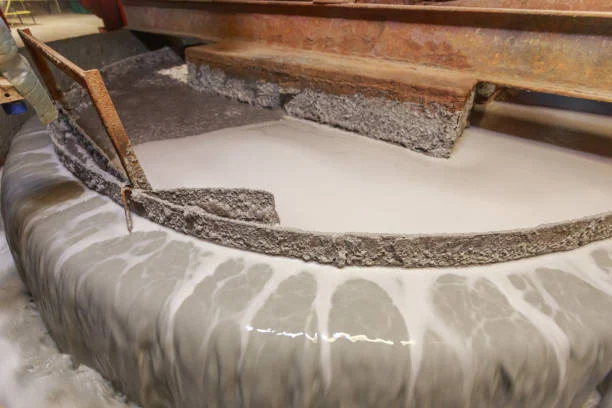
dina industri pertambangan, cyanides play a pivotal role in the extraction of logam mulia, especially gold and silver. The process, known as sianidasi, nyaéta dasard on the ability of Ion sianida to form stable complexes with gold and silver. For example, in a typical gold - Operasi tambang, crushed gold - bearing ores are mixed with a dilute solution of natrium sianida. nu Réaksi Kimia bisa digambarkeun salaku:
4Au + 8NACN+O_{2}+2H_{2}O = 4Na[Au(CN)_{2}]+4NaOH
This reaction dissolves the gold in the form of a soluble complex, natrium dicyanoaurate(I). The gold - containing solution can then be separated from the ore residue, and the gold is subsequently recovered from the solution, often through prosés siga seng preCIPitation or carbon Adsorption. This method is highly effective in extracting gold from bijih low-grade, which makes it an industry - standard technique in many gold - pertambangan regions around the world.
dina metallurgy jeung éléktroplasi industries, cyanides are also used for their unique properties in metal deposition. For instance, in Prosés electroplatinges such as Palapis tambaga, Pelapis Emas, and silver plating, cyanide - based electrolytes are sometimes preferred. In silver Éléktroplasi, potassium cyanide is often used in the Mandi plating. nu Ion sianidas form complexes with silver ions ( ), such as . This complex formation helps to control the deposition rate of silver on the substrate. When an electric current is passed through the electroplating bath, the silver ions in the complex are reduced at the cathode (the object being plated) and deposit as a thin layer of silver metal. This results in a smooth, uniform, and adherent silver coating. The use of cyanide in electroplating can improve the quality of the plating, providing better digentos, brightness, and lalawanan korosi compared to some non - Sianida Plating padika.
Cyanides and nitriles are important building blocks in Sintésis Kimia. In the production of various resin monomers, such as résin akriliks and methRésin akriliks, cyanides and nitriles are involved in key chemical reactions. For example, acrylonitrile, a nitrile compound, is a crucial monomer in the synthesis of acrylic fibers and polyacrylonitrile - based plastics. Acrylonitrile can be polymerized to form polyacrylonitrile (PAN) through a free - radical polimérisasi reaction. The reaction is initiated by a suitable inisiator, and the double bond in acrylonitrile is broken, allowing the monomers to link together to form long polymer chains. The resulting polyacrylonitrile has excellent properties such as Kakuatan tinggi, saé Résistansi kimiawi, and high melting point, making it suitable for applications in the textile and plastics industries.
dina industri farmasi, nitriles are used as intermediates in the synthesis of many drugs. They can be converted into other functional groups such as amides, Asam Karboksilats, or amines through various chemical reactions. For example, a Grup nitrile bisa dihidrolisiskeun pikeun ngabentuk a Asam karboksilat group. This transformation is often used in the synthesis of drugs where a carboxylic asam functional group is required for the drug's activity or for further chemical modifications. Additionally, cyanides can be used in the synthesis of certain Sanyawa Hétérocyclic, which are important components in many farmasi narkoba.
Nitriles are also used in the synthesis of aditif dahareun. Some nitrile - containing compounds can be converted into flavor - enhancing or pengawet agents. For example, certain nitriles can be oxidized and further reacted to form compounds with pleasant flavors, which are then used in the industri pangan to improve the taste of processed kadaharans.
Sianida mangrupa zat anu kacida toksik. Nalika jumlah sianida anu ageung kaseuseup atanapi konsentrasi gas sianida anu luhur kaseuseup, akibatna sering musibah. Dina kasus sapertos kitu, fungsi fisiologis normal awak gancang kaganggu. Gejala anu paling umum sareng langsung kalebet leungitna eling ngadadak. Korban tiasa ambruk kana taneuh dina sababaraha detik, sabab sistem saraf pusat parah kapangaruhan. Muridna gancang ngalegaan, anu mangrupikeun indikasi henteu mampuh awak pikeun ngatur fungsi internalna. Ieu dituturkeun ku konvulsi, dimana awak ngalaman kontraksi otot involuntary tur telenges. Konvulsi ieu mangrupa hasil tina gangguan saraf normal - komunikasi otot, nu penting pisan pikeun gerakan koordinasi awak.
The respiratory system is also severely compromised. The victim experiences rapid and shallow breathing, or in some cases, complete respiratory arrest. This is because cyanide binds to cytochrome c oxidase in the cells, preventing the normal utilization of oxygen in the process of cellular respiration. As a result, the cells are starved of oxygen, leading to the failure of vital organs such as the brain and heart. Without immediate medis intervention, death can occur within minutes.
Nitriles, utamana lamun kaseuseup atawa diserep dina konsentrasi luhur, ogé bisa ngabalukarkeun karacunan akut. Contona, acrylonitrile, sanyawa nitrile umum, bisa ngabalukarkeun iritasi langsung kana saluran pernapasan. Gejala kalebet batuk, sesak napas, sareng rasa kaduruk dina tikoro sareng dada. Dina kasus parna, éta bisa ngakibatkeun busung lapar pulmonal, dimana bayah ngeusi cairan, sahingga teu mungkin pikeun awak pikeun éféktif tukeur oksigén jeung karbon dioksida. Ieu tiasa gancang maju ka gagal engapan sareng maot upami henteu dirawat langsung.
Toksisitas kronis
Long - term exposure to low - concentration cyanides can lead to chronic karacunan. Over time, the body accumulates cyanide as it is not completely eliminated. One of the early symptoms is a feeling of numbness in the tongue and lips. This is often accompanied by persistent headaches and dizziness, which can be mild at first but gradually become more severe. Victims may also experience nausea, vomiting, and a general sense of discomfort in the upper abdomen.
Gangguan saré, sapertos insomnia, umum. Tingkat tanaga awak geus depleted, ngabalukarkeun kacapean sarta kelemahan dina anggota awak. Hal ieu ngajadikeun hésé pikeun jalma anu kapangaruhan pikeun ngalakukeun kagiatan fisik normal. Sistem kardiovaskular ogé kapangaruhan, kalayan turunna tekanan darah anu nyata. Dina sababaraha kasus, paparan sianida kronis bisa ngabalukarkeun karuksakan kana kelenjar tiroid, disrupting kasaimbangan hormonal awak jeung métabolisme.
Paparan kronis ka nitriles ogé tiasa gaduh implikasi kaséhatan anu serius. Contona, paparan jangka panjang ka acrylonitrile bisa ngabalukarkeun karuksakan kana sistim saraf. Ieu bisa ngakibatkeun neuropathy periferal, dimana saraf dina extremities kapangaruhan. Gejala kaasup numbness, tingling, sarta leungitna sensasi dina leungeun jeung suku. Aya ogé kelemahan otot sarta kasusah dina koordinasi gerakan. Sajaba ti éta, paparan kronis ka nitriles tangtu geus pakait sareng ngaronjat résiko tina ngamekarkeun jenis nu tangtu kangker, sanajan mékanisme pasti masih keur ditalungtik.
Cyanides and nitriles pose significant threats to the envbeusiment. When released into water bodies, they can have a devastating imPact on aquatic life. Even at low concentrations, cyanides are highly toxic to fish and other aquatic organisms. For example, when cyanide - containing Cai Limbah Industri is discharged into rivers or lakes without proper treatment, it can cause mass mortality of fish. The cyanide binds to the gills of the fish, preventing the normal exchange of oxygen and carbon dioxide, leading to asphyxiation.
Nitriles, such as acrylonitrile, can also contaminate water sources. They can persist in the water for a long time, affecting the quality of the water and making it unfit for human pamakeanana barang jeung nu séjénna Mangpaat. In addition, these compounds can be absorbed by aquatic plants, which can then pass the toxins up the food chain, affecting higher - level organisms.
dina taneuh, cyanides and nitriles can accumulate over time. This can lead to soil pollution, which can inhibit the growth of plants. The toxins can interfere with the normal physiological processes of plants, such as photosynthesis and nutrient uptake. As a result, agricultural productivity can be severely reduced. In addition, the presence of these Sanyawa toksiks in the soil can also affect soil microorganisms, which are essential for maintaining the fertility and structure of the soil. This disruption of the soil ecosystem can have far - reaching consequences for the overall health of the envbeusiméntal.
Pencegahan sarta Protection
Kontrol rékayasa
One of the fundamental engineering control measures is to reform the Prosés produksi. Salaku conto, dina industri electroplating, the adoption of cyanide - free electroplating technology can significantly reduce the use of highly toxic cyanide compounds. Traditional Prosés Electroplatinges often rely on cyanide - based electrolytes, but with the development of technology, new cyanide - free electroSolusi platings have been developed. These solutions use alternative Agén Complexingkeusik bahan tambahans to achieve similar or even better plating quality without the risks associated with cyanide.
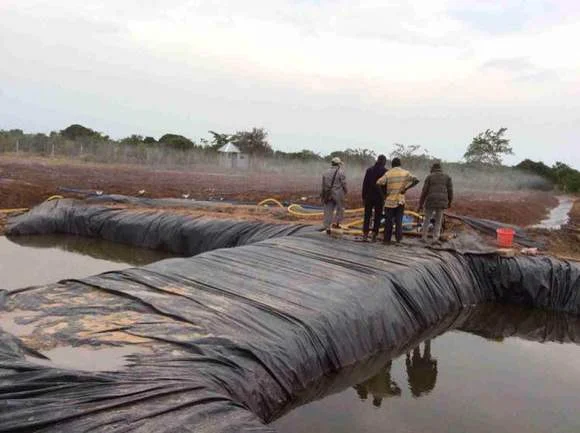
In addition to process reform, implementing a closed - loop operating system is crucial. In faCILities where cyanides and nitriles are used, such as in chemical plants or metal - carana ngokolakeun factories, all production equipment should be designed to be airtight. This prevents the leakage of toxic gases or liquids into the surrounding envbeusiment. For example, in a cyanide - using gold - operasi pertambangan, the cyanide - containing solution neundeun tanks and the extraction equipment should be tightly sealed, and pipelines should be regularly inspected for any signs of leakage.
Ventilation and exhaust systems also play a vital role in controlling the concentration of toxic substances in the air. In workplaces where gas hidrogén sianida may be present, such as in certain Manufaktur Kimia plants, powerful mechanical ventilation systems should be installed. These systems can continuously remove the polluted air and replace it with fresh air. The ventilation rate should be carefully calculated based on the size of the workspace, the amount of toxic substances used, and the potential for their release. For example, in a small - scale electroplating workshop where hydrogen cyanide may be generated during the Prosés Plating, the ventilation system should be designed to maintain the hydrogen konsentrasi sianida in the air below the maximum allowable concentration (MAC), which is often set at a very low level, such as 0.3mg/m³, to ensure the kasalametan of workers.
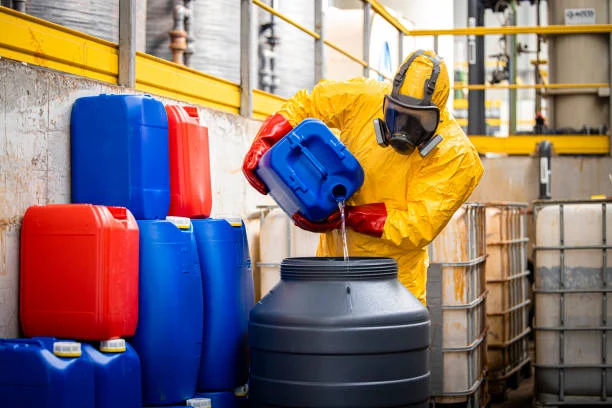
Equipment palindung pribadi (PPE) is essential for workers who may be exposed to cyanides and nitriles. Respirators are a key piece of PPE. For workers in environments with a high risk of inhaling toxic gases, such as in the production of acrylonitrile where the vapor is extremely harmful, self - contained breathing apparatus (SCBA) may be required in cases of high - concentration exposure or during kaayaan nu walurat situations. For less - severe but still bahyaous environments, air - purifying respirators with appropriate filters can be used. These filters are designed to remove specific contaminants, such as cyanide or nitrile vapors, from the air the worker breathes.
Kimia - tahan gloves are also crucial. Workers handling cyanide - containing solutions or nitrile - based bahan kimia should wear gloves made of bahan that can resist the korosif and permeative effects of these substances. For example, gloves made of karét butil or nitrile rubber are often used as they have good resistance to a wide range of chemicals, including many cyanides and nitriles. These gloves can prevent the absorption of toxic substances through the skin, which is an important route of exposure, especially for nitriles that can be absorbed even through small amounts of skin contact.
Protective clothing should also be provided. The clothing should cover as much of the body as possible to minimize skin exposure. In some high - risk industries, such as in the manufacture of certain kimia husus where cyanides and nitriles are used in large quantities, workers may wear full - body chemical - protective suits. These suits are made of materials that are impermeable to the chemicals in use and are often designed with additional features such as sealed seams and built - in hoods to provide maximum protection.
tengtremty Training
Comprehensive safety training is essential for all personnel who are involved in the handling, panyimpenan, atawa kandaraan of cyanides and nitriles. This training should cover a wide range of topics related to the Paké Aman of these chemicals. Firstly, it should include in - depth knowledge about the properties of cyanides and nitriles. Workers need to understand the physical and chemical characteristics of these substances, such as their volatility, solubility, and reactivity. For example, they should know that hydrogen cyanide is highly volatile and can quickly disperse in the air, and that acrylonitrile is highly reactive and can polymerize under certain conditions.
Secondly, the training should focus on prosedur réspon darurat. Workers should be trained on what to do in case of a spill, leak, or accidental exposure. This includes how to quickly evacuate the area if necessary, how to use emergency eyewash stations and showers in case of skin or eye contact, and how to administer first - aid in the initial stages of poisoning. For example, in the event of a cyanide spill, workers should know to immediately isolate the area, put on appropriate PPE, and use absorbent materials to clean up the spill according to the established safety protocols.
Regular safety drills should also be conducted. These drills can simulate various emergency scenarios, such as a gas leak or a chemical spill, to ensure that workers can respond quickly and effectively in real - life situations. By practicing these drills regularly, workers can become more familiar with the Tanggapan daruratprosedur and reduce the potential for panic or confusion during an actual incident. This can ultimately save lives and minimize the damage caused by accidents involving cyanides and nitriles.
Réspon darurat sarta perlakuan
When a person is suspected of cyanide or nitrile poisoning, immediate and decisive ukuran bantuan munggaran are crucial. The first step is to quickly remove the victim from the source of exposure to a well - ventilated area. This helps to minimize further inhalation of the toxic substances. For example, if the poisoning occurs in a factory where hydrogen cyanide is being used, the victim should be carried out of the production area to an open space with fresh air as soon as possible.
Once in a safe location, if the victim's breathing has stopped or is extremely weak, artificial respiration should be initiated immediately. However, it is important to note that mouth - to - mouth artificial respiration should be avoided in cases of karacunan sianida, as there is a risk of the rescuer inhaling the toxic fumes. InsTÉHd, the use of a bag - valve - mask device or other appropriate respiratory support equipment is recommended.
Pasokan oksigén ogé mangrupikeun bagian anu penting dina prosés bantosan heula. Oksigén aliran luhur tiasa dikaluarkeun ka korban nganggo masker oksigén atanapi kanula nasal. Ieu mantuan pikeun ngaronjatkeun konsentrasi oksigén dina getih sarta counteract efek tina sianida atawa nitrile, nu ngaganggu kamampuh awak pikeun ngamangpaatkeun oksigén.
Lamun kulit korban geus datang kana kontak jeung zat toksik, pakean nu kacemar kudu dipiceun geuwat. Kulit anu kapangaruhan kedah teras-terasan dikumbah ku cai anu seueur salami sahenteuna 15 - 20 menit. Ieu ngabantuan pikeun ngaleungitkeun bahan kimia anu aya dina kulit sareng ngirangan nyerep salajengna. Contona, upami hiji pagawe spills acrylonitrile kana kulit maranéhanana, maranéhanana kudu geuwat nyabut baju maranéhanana kacemar tur bilas wewengkon nu dimaksud dina cai ngocor.
Dina kasus kontak panon, panon kudu flushed kalawan jumlah copious cai bersih atawa solusi saline steril. Klopak panon kudu dibuka pikeun mastikeun yén sakabéh beungeut panon geus tuntas bilas. Ieu kudu dilakukeun terus-terusan salila sahenteuna 15 menit pikeun ngaleutikan karuksakan panon.
Perawatan médis
Once the victim is ngangkuted to the hospital, more comprehensive medical treatment can be provided. One of the key aspects of treatment is the use of specific Antidotes. keur Karacunan sianida, natrium thiosulfat mangrupakeun umum dipaké ubar keur nawarkeun racun. It works by combining with the Ion sianidas in the body to form non - toxic thiocyanate, which can then be excreted from the body through the urine. The standard treatment protocol usually involves a slow intravenous injection of a certain dose of Natrium Tiosulfat, the amount of which is determined based on the patient's condition and body weight.
Another important antidote for cyanide poisoning is nitrite - based compounds. These compounds work by converting hemoglobin in the blood into methemoglobin. Methemoglobin has a high affinity for cyanide ions and can bind to them, forming a relatively stable complex. This reduces the amount of Sianida gratis ions in the body and alleviates the poisoning symptoms. However, the use of nitrite - based antidotes requires careful monitoring, as they can also have side effects, such as causing a drop in blood pressure.
Pikeun karacunan anu disababkeun ku nitrile, perlakuan utamina museurkeun kana ngaleungitkeun gejala sareng ngadukung fungsi awak. Salaku conto, upami pasien nunjukkeun gejala gangguan pernapasan kusabab karacunan akrilonitril, ventilasi mékanis tiasa diperyogikeun pikeun ngabantosan engapan. Dina kasus dimana aya karuksakan kana sistim saraf, pangobatan bisa jadi prescribed pikeun ngatur gejala kayaning kelemahan otot, numbness, atawa nyeri.
If the patient has ingested cyanide or nitriles, gastric lavage may be performed to remove any remaining toxic substances from the stomach. This is usually done using a suitable solution, such as a dilute Kalium permanganat solution or a saline solution. However, the decision to perform gastric lavage and the choice of the lavage solution need to be carefully considered based on the patient's condition and the type of toxic substance ingested.
In addition to these specific treatments, the patient's vital signs, such as heart rate, blood pressure, and respiratory rate, are closely monitored. Other supportive treatments, such as fluid replasemen to maintain electrolyte balance, may also be provided. In cases where the patient has developed complications, such as pneumonia due to aspiration during the poisoning incident, appropriate antibiotics may be prescribed to treat the infection.
kacindekan
Cyanides and nitriles are indispensable in modern industries. Their applications span from the extraction of logam mulia in mining to the synthesis of a wide range of products in the chemical, pharmaceutical, and textile industries. However, the high toxicity of these compounds poses a significant threat to human health and the environment.
Toksisitas akut sareng kronis sianida sareng nitrile tiasa nyababkeun masalah kaséhatan anu parah, tina kaayaan anu ngancam kahirupan langsung dugi ka karusakan jangka panjang kana sistem saraf, sistem kardiovaskular, sareng organ vital sanésna. Sumawona, sékrésina ka lingkungan tiasa nyababkeun polusi awak cai sareng taneuh, ngabahayakeun kahirupan akuatik sareng ngirangan produktivitas tatanén.
Therefore, it is of utmost importance to prioritize the pamakean aman and handling of cyanides and nitriles. Industries must invest in engineering control measures to minimize the release of these toxic substances. Workers should be provided with proper personal protective equipment and receive comprehensive safety training. In case of accidents, effective tanggap darurat and treatment protocols should be in place.
By taking these steps, we can continue to benefit from the aplikasi industris of cyanides and nitriles while ensuring the safety of workers, the public, and the environment. It is a collective responsibility of industries, Pangatury bodies, and all stakeholders to work together to prevent the harmful effects of these potentially dangerous sanyawa kimias.
- Eusi acak
- Eusi panas
- Eusi ulasan panas
- Amonium Nitrat porous Prills
- Kelas Industri Ferrous Sulfat 90%
- Asam sianoasetat 99% bubuk
- Feed Kelas 98.0% Kalsium Formate
- Pupuk magnésium sulfat / magnésium sulfat monohydrate
- Trigliserida caprylic/capric
- Suluh aditif oktana Niley booster Ferrocene
- 1Diskon Natrium Sianida (CAS: 143-33-9) pikeun Pertambangan - Kualitas Luhur & Harga Kalapa
- 2Natrium Sianida 98.3% CAS 143-33-9 NaCN agén panglapis emas Ésénsial pikeun Industri Kimia Pertambangan
- 3Peraturan Anyar Cina ngeunaan Ékspor Natrium Sianida sareng Pitunjuk pikeun Pembeli Internasional
- 4Natrium Sianida (CAS: 143-33-9) Sertipikat pangguna akhir (Vérsi Cina sareng Inggris)
- 5Kode Manajemén Sianida Internasional (Natrium sianida) - Standar Penerimaan Tambang Emas
- 6Pabrik Cina Asam Sulfat 98%
- 7Asam oksalat anhidrat 99.6% Kelas Industri
- 1Natrium Sianida 98.3% CAS 143-33-9 NaCN agén panglapis emas Ésénsial pikeun Industri Kimia Pertambangan
- 2Purity High · Performance Stabil · Pamulihan Luhur — natrium sianida pikeun leaching emas modern
- 3Suplemén Gizi Pangan Adiktif Sarcosine 99% mnt
- 4United ChemicalTim Panaliti Némbongkeun Otoritas Ngaliwatan Wawasan Didorong Data
- 5Natrium Sianida Kinerja Tinggi AuCyan™ | Kamurnian 98.3% pikeun Pertambangan Emas Global
- 6Detonator Éléktronik Digital(Waktu tunda 0~ 16000ms)
- 7Kakuatan luhur, High-precision Shock Tube Detonator




Konsultasi pesen online
Tambahkeun komentar: