Optimización da recuperación de ouro no oeste de Kenya: reactivos CIP/CIL avanzados para Kakamega e Migori
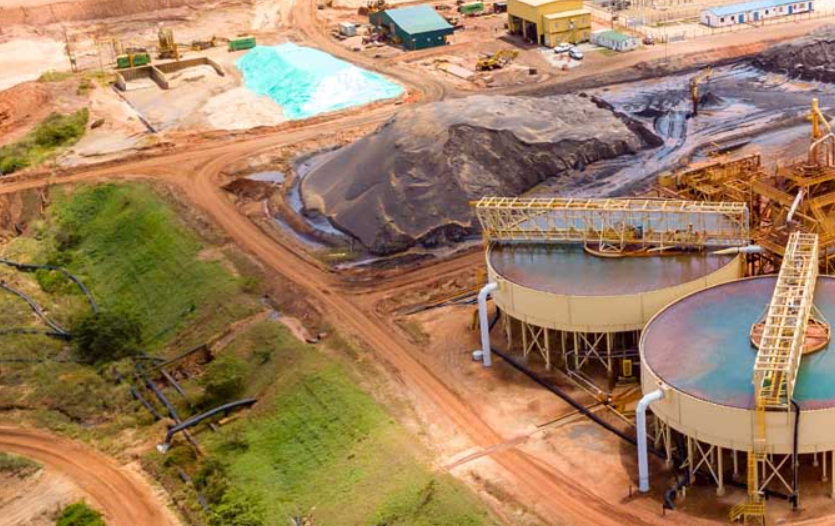
Quenia está a emerxer rapidamente como unha fronteira moi lucrativa na minería de ouro do leste africano. Os cintos de rocha verde históricos e recentemente explorados no oeste de Quenia, en particular o corredor de alta calidade de Liranda en Kakamega e o cinto de ouro polimetálico de Migori, están a atraer importantes investimentos internacionais e chineses. Proxectos como o proxecto de Shanta Gold no oeste de Quenia e as operacións en Kilimapesa e Karebe destacan o inmenso potencial. Non obstante, a transición da exploración á extracción comercial rendible require superar complexos obstáculos xeolóxicos e ambientais específicos da rexión.
Os principais metalúrxicos que operan no oeste de Kenya enfróntanse a tres graves obstáculos operativos. En primeiro lugar, minerais que rouban gravemente ouro: a lousa carbonácea que se atopa habitualmente no cinto de rocha verde de Kakamega actúa como unha esponxa natural, adsorbendo prematuramente o complexo de ouro disolto antes de que chegue á fase de extracción, o que leva a perdas devastadoras nos relaves. En segundo lugar, sensibilidade ecolóxica do lago Victoria: a maioría dos depósitos de ouro de Kenya atópanse dentro da vital conca do lago Victoria. A Autoridade Nacional de Xestión Ambiental (NEMA) de Kenya esixe políticas de tolerancia cero coa escorrentía de produtos químicos perigosos. Obter unha Avaliación de Impacto Ambiental (EIA) para unha planta de cianuro tradicional aquí é unha batalla árdua de varios anos. En terceiro lugar, degradación do tránsito interior: aínda que o porto de Mombasa ofrece un excelente acceso ao transporte marítimo, o transporte de produtos químicos perigosos de Clase 6.1 a través do Gran Val do Rift ata o oeste de Kenya expón a carga a unha calor intensa, humidade e terreo accidentado, o que esixe unha integridade impecable do envase.
United Chemical deseñou unha matriz de reactivos altamente especializada para resolver estes desafíos precisos de Kenya. Ao despregar carbono ultraduro e hipercinético para superar aos ladróns naturais de fecundación, ofrecendo alternativas de cianuro que cumpren coa normativa NEMA e asegurando a loxística no interior, capacitamos as minas de Kenya para aumentar drasticamente os seus rendementos de ouro, garantindo ao mesmo tempo o cumprimento ambiental.
Solucións de recuperación de ouro personalizadas para minerais de rocha verde de Kenia
Carbón activado de casca de coco para recuperación de ouro AuCarb™ (≥99 % de dureza)
Nos cintos de rocha verde carbonosa de Kakamega, o "roubo de preñez" é o inimigo definitivo. O carbono natural do mineral roubará o teu ouro disolto. Para gañar esta loita química, debes introducir un carbono comercial que sexa significativamente máis activo e resistente que o carbono natural.
Derrotando a cinética do pre-robbing: AuCarb™ está deseñado cunha rede macroporosa amplamente desenvolvida. Crea un ambiente de adsorción hipercinético que supera agresivamente a materia carbonosa natural nos minerais kenyanos, eliminando o complexo [Au(CN)₂]⁻ da suspensión antes de que poida producirse o pre-robbing.
Durabilidade irrompible CIP/CIL: Activado termicamente ata unha dureza extrema de ≥99 %, AuCarb™ resiste a axitación violenta dos circuítos de carbono en polpa (CIP). Négase a abrasarse en microfinas, eliminando por completo o risco de enviar o ouro gañado con tanto esforzo á presa de relaves.
Axente de lixiviación de ouro AuLeach™ (GDA) - Non perigoso
A protección da conca do lago Victoria é unha prioridade nacional en Kenya. As regulacións da NEMA son excepcionalmente estritas en canto ao almacenamento, uso e xestión de relaves de cianuro. Unha infracción ambiental pode resultar nunha licenza revogada.
Xestión de relaves segura para os lagos: AuLeach™ ofrece unha alternativa revolucionaria de extracción sen cianuro. Certificado globalmente como non perigoso e de baixa toxicidade, garante que o efluente da súa instalación de almacenamento de relaves (TSF) non supoña ningunha ameaza para os acuíferos locais nin para o ecosistema do lago Victoria, o que practicamente garante as rápidas aprobacións de EIA da NEMA.
Transporte interior sen fricción: como produto químico non perigoso, AuLeach™ evita o lento procesamento de mercadorías perigosas de clase 6.1 no porto de Mombasa. Móvese rapidamente ao longo do Corredor Norte ata o oeste de Kenya sen necesidade de custosas escoltas policiais nin permisos especializados de almacenamento de mercadorías perigosas.
Cianuro de sodio AuCyan™ NaCN (≥98.3 %)
Para as operacións no cinto de Migori que tratan con minerais sulfídicos e lixeiramente polimetálicos, o poder de lixiviación non se pode ver comprometido. Ademais, o tránsito desde a húmida Mombasa ás terras altas require a máxima protección química.
Máxima forza lixiviante: Cunha pureza mínima do 98.3 % garantida, AuCyan™ proporciona unha concentración abrumadora de ións cianuro libres. Esta forza química pura é necesaria para descompoñer as matrices sulfídicas nos minerais do oeste de Kenya, acelerando a disolución e aumentando o rendemento global.
Envasado resistente ás inclemencias meteorolóxicas do Val do Rift: Selamos AuCyan™ en robustos bidóns de aceiro de grosor groso, certificados polas Nacións Unidas, con revestimentos interiores poliméricos de dobre capa. Tanto se se enfronta á humidade costeira de Mombasa como ao tránsito accidentado polo Val do Rift, o reactivo chega ás súas instalacións de Kakamega ou Migori perfectamente seco e totalmente potente.
Loxística sen fisuras: desde o porto de Mombasa ata a súa mina
Ter un porto non significa que a loxística sexa doada; o traslado de mercadorías perigosas cara ao interior require coñecementos especializados. United Chemical simplifica toda a cadea de subministración a Kenya.
Despacho optimizado de Mombasa: Ofrecemos documentación impecable (facturas comerciais, certificados de autenticidade, MSDS) que se aliña perfectamente cos requisitos da Autoridade Tributaria de Kenia (KRA) e da Oficina de Normas de Kenia (KEBS), evitando custosos cargos por sobrestadía no porto.
Ruta interior segura: Colaboramos con empresas de transporte kenyanas altamente verificadas e autorizadas para manexar produtos químicos mineiros perigosos, garantindo que a súa carga navegue con seguridade pola ruta desde Mombasa, pasando por Nairobi e directamente ata a súa planta de procesamento nos condados occidentais.
Demostra o rendemento dos teus minerais Kakamega ou Migori
Non deixes que as características que prexudican o embarazo ou os medos á normativa deteñan a túa produción. Invitamos aos xerentes de planta e metalúrxicos de Kenia a solicitar mostras de laboratorio gratuítas. Realiza probas cinéticas CIL directas e pantallas de toxicidade ambiental para validar o noso rendemento de primeira man.
Solicita mostras de laboratorio gratuítas agora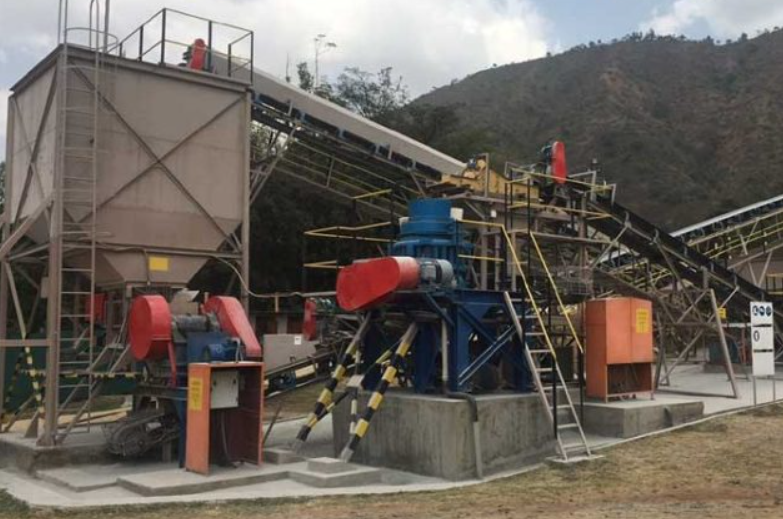
Preguntas frecuentes: Procesamento de ouro en Kenya
1. Por que é común o roubo de plantas preñadas no cinto de rocha verde de Kakamega?
As formacións xeolóxicas do oeste de Kenya, como o Corredor de Liranda, adoitan conter xistos carbonosos. Este carbono natural actúa como unha esponxa (preg-robbing), adsorbendo prematuramente o complexo de ouro-cianuro da solución antes de que se poida recuperar, o que provoca graves perdas de relaves.
2. Como funciona AuCarb™ Carbón activado derrotar os minerais kenyanos que rouban embarazos?
Para combater o carbono natural, necesitas un carbón comercial superior. O carbón activado con casca de coco AuCarb™ Gold Recovery presenta unha estrutura macroporosa hiperdesenvolvida que ofrece unha cinética de adsorción moito máis rápida. Supera o mineral natural, arrebatando primeiro o complexo de ouro e asegurándoo de forma segura.
3. Axudará o uso de AuLeach™ a obter a aprobación da NEMA preto do lago Victoria?
Absolutamente. Dado que os depósitos de ouro no oeste de Kenya se atopan na conca do lago Victoria, a NEMA (Autoridade Nacional de Xestión Ambiental) regula estritamente os produtos químicos perigosos. O axente de lixiviación de ouro AuLeach™ non contén cianuro e é de baixa toxicidade, o que facilita moito a aprobación das avaliacións de impacto ambiental (EIA) e protexe completamente os sistemas de auga locais.
4. A transición a AuLeach™ require modificacións na planta en Kenya?
Non se precisa gasto de capital nin redeseño de equipos. AuLeach™ está deseñado como un substituto directo do cianuro de sodio . Pode utilizar os seus tanques CIL existentes, configuracións de lixiviación en cuba, axitadores e circuítos de recuperación de carbón activado sen problemas.
5. Por que é vital unha dureza de carbono ≥99 % para as operacións de ouro de Migori?
As operacións na cinta de Migori adoitan xerar lodos densos e abrasivos a través de axitadores violentos. Se o carbón activado é brando, rompe (atrición) e os fragmentos cargados de ouro lávanse aos relaves. AuCarb™ mantén unha dureza ≥99 %, o que evita a rotura e elimina a perda de ouro.
6. Como xestiona AuCyan™ os minerais sulfídicos do oeste de Kenya?
Os minerais sulfídicos requiren unha alta intensidade química para liberar ouro. Ao garantir unha pureza ultraalta de ≥98.3 %, o cianuro de sodio NaCN AuCyan™ proporciona a máxima concentración de cianuro libre (CN-). Isto corta as matrices de sulfuro máis rápido, mellorando as taxas de disolución globais e aumentando os rendementos de recuperación.
7. Como protexes os produtos químicos durante o transporte de Mombasa a Kakamega?
A longa distancia desde a costa ata o oeste de Kenya implica humidade, calor e estradas en mal estado. Empaquetamos AuCyan™ en bidóns de aceiro de grosor groso con certificación da ONU e bolsas de polímero interiores con dobre selado. Isto garante a entrada cero de humidade, mantendo o reactivo seco e potente á súa chegada ás súas instalacións.
8. A importación de AuLeach™ a través do porto de Mombasa aforra tempo en comparación co cianuro?
Si, drasticamente. O cianuro de sodio é unha mercadoría perigosa de clase 6.1, que require amplos permisos, escoltas policiais e almacenamento perigoso en Mombasa, o que provoca atrasos nos portos. AuLeach™ está clasificada como non perigosa, o que lle permite despachar aduanas como carga industrial estándar para un envío rápido polo interior.
9. Os seus produtos son axeitados para minas en transición da escala artesanal á comercial?
Absolutamente. A medida que as minas kenyanas pasan de métodos artesanais a plantas CIL/CIP formais, a estandarización dos reactivos é fundamental para a estabilidade. United Chemical Ofrece subministración escalable, alta pureza consistente e soporte técnico para garantir que a súa planta recentemente actualizada alcance a máxima recuperación de deseño.
10. Como pode a nosa planta kenyana obter mostras de proba gratuítas?
Recomendamos realizar probas metalúrxicas exhaustivas. Os xerentes de planta e os enxeñeiros xefes de Kenya poden contactar connosco directamente para solicitar mostras de proba gratuítas de AuCyan™, AuCarb™ ou AuLeach™. Coordinaremos unha entrega rápida ao seu laboratorio para probas de lixiviación cinética en rolo de botella ou en columna.
- Contido aleatorio
- Contido quente
- Contido de críticas quente
- Existen normativas específicas para o uso de produtos químicos mineiros?
- Acrilamida
- Hidróxido de calcio Grao industrial 90%
- Ácido cianúrico
- Ácido benzohidroxámico
- Glutaraldehido 50% Grao Industrial
- Dibutilditiofosfato de sodio
- 1Cianuro de sodio con desconto (CAS: 143-33-9) para minería: alta calidade e prezos competitivos
- 2Cianuro de sodio 98.3% CAS 143-33-9 NaCN axente de tratamento de ouro esencial para as industrias químicas mineiras
- 3Novas regulacións de China sobre exportacións de cianuro de sodio e orientacións para compradores internacionais
- 4Cianuro de sodio (CAS: 143-33-9) Certificado de usuario final (versión en chinés e inglés)
- 5Código de xestión internacional de cianuro (cianuro de sodio) - Normas de aceptación da mina de ouro
- 6Fábrica de China ácido sulfúrico 98%
- 7Ácido oxálico anhidro 99.6% Grao industrial
- 1Cianuro de sodio 98.3% CAS 143-33-9 NaCN axente de tratamento de ouro esencial para as industrias químicas mineiras
- 2Alta pureza · Rendemento estable · Maior recuperación: cianuro de sodio para a lixiviación moderna de ouro
- 3United ChemicalO equipo de investigación de demostra autoridade a través de información baseada en datos
- 4Cianuro de sodio de alto rendemento AuCyan™ | 98.3 % de pureza para a minería de ouro global
- 5Detonador electrónico dixital (Tempo de retardo 0 ~ 16000 ms)
- 6Detonador de tubo de choque de alta resistencia e alta precisión
- 7industria detonador eléctrico


Consulta de mensaxes en liña
Engadir comentario: