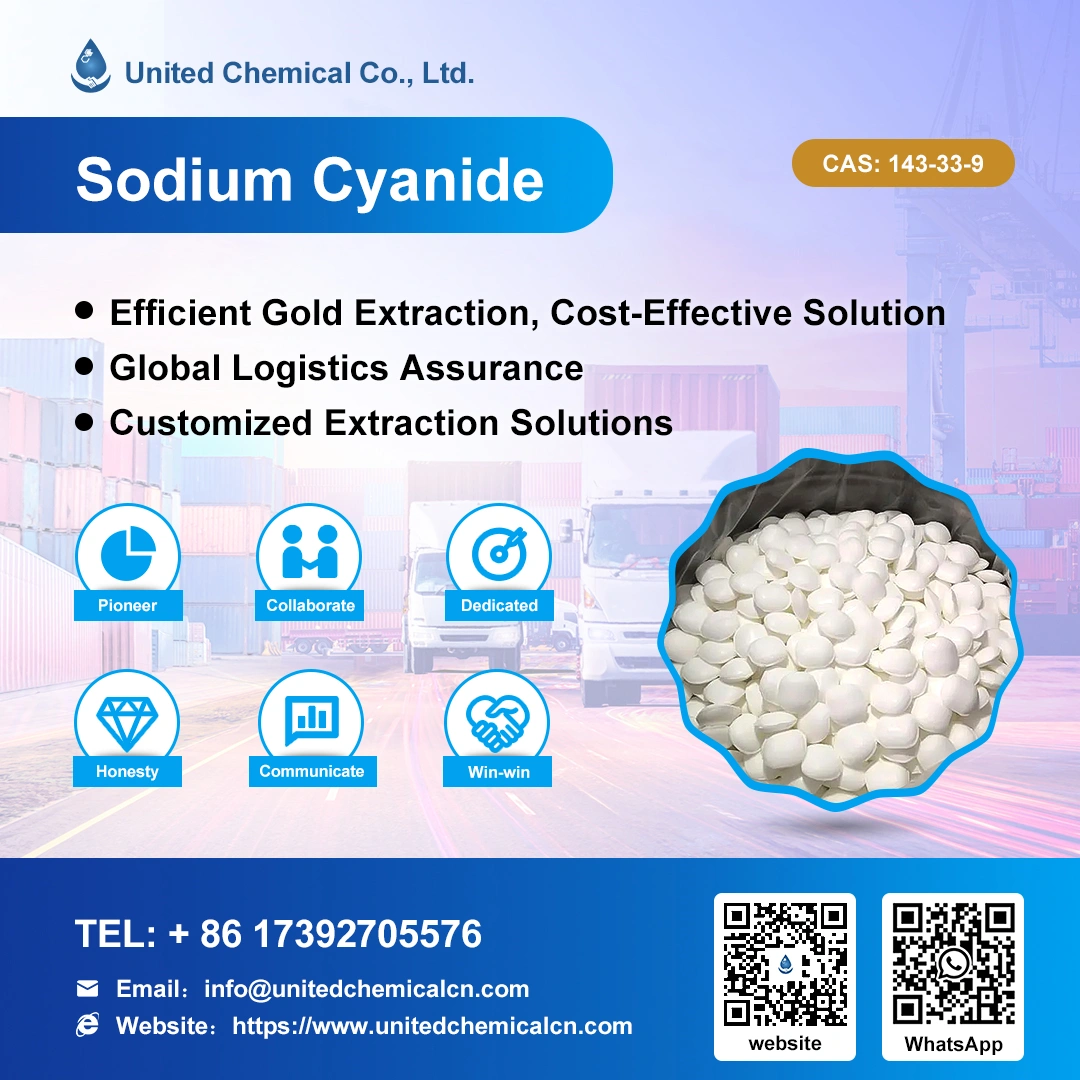

Za sproščanje zlata iz zdrobljene surove rude se uporablja vrsta tehnik ekstrakcije. Ti postopki omogočajo zlato za sproščanje v raztopino cianida.
OGLJIK V STOLPCU
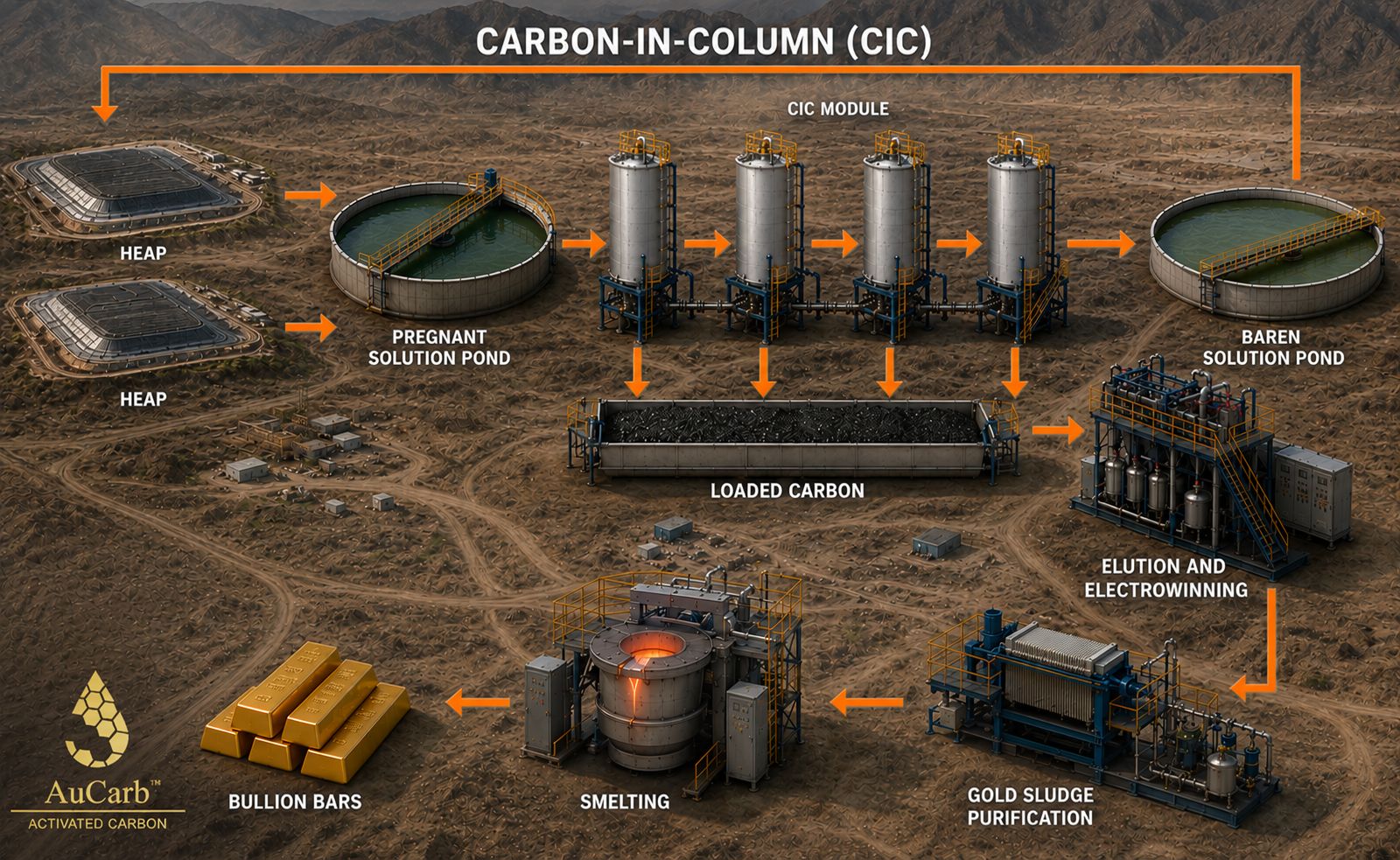
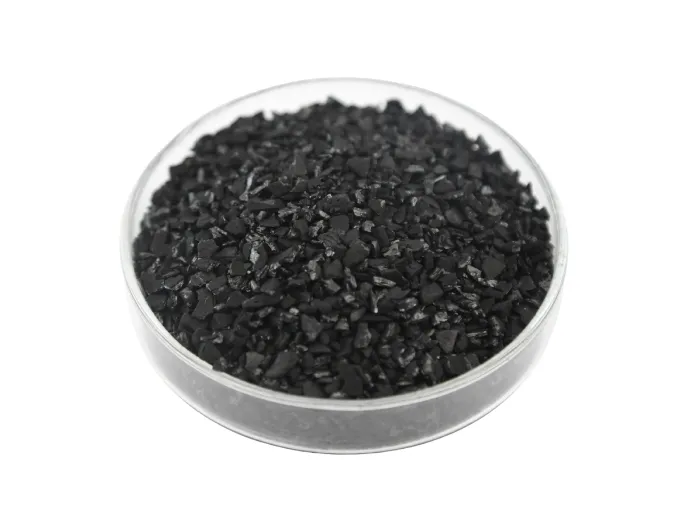
CIC se najpogosteje uporablja za pridobivanje zlata iz izluževanja na kupu, postopkov, pri katerih raztopina natrijevega cianida prehaja skozi "kup" zdrobljene in aglomerirane rude, zaradi česar se zlato izluži v raztopino. Raztopina, ki vsebuje zlato, se nato črpa v vrsto adsorpcijskih kolon, ki vsebujejo aktivno oglje . Izluževanje na kupu, ki mu sledijo krogi CIC, je zaradi nizkih kapitalskih in obratovalnih stroškov prednostna metoda za pridobivanje zlata iz nizkokakovostnih površinskih nahajališč in jalovine.
OGLJIK V CELUZINI
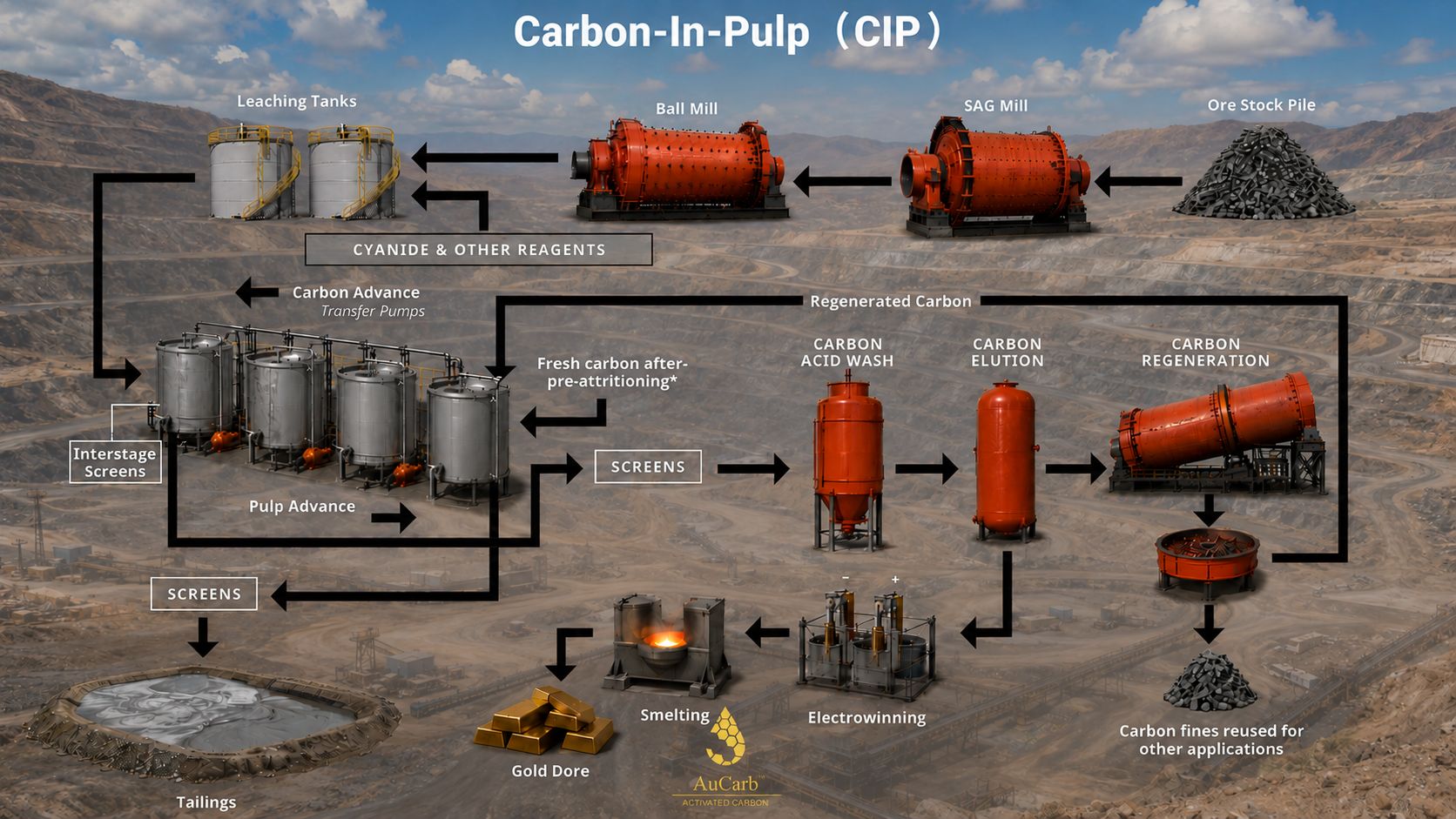
Pri CIP postopkih se izkopana ruda zmelje in zmeša z vodo in zgoščevalci, pri čemer nastane zmes rude in vode, imenovana pulpa. Pulpa se nato črpa v lužne posode z mešanjem zraka, kjer se zlato izluži iz rude z raztopino natrijevega cianida . Pulpa se prenese v vrsto adsorbernih rezervoarjev, ki vsebujejo aktivno oglje , ki se meša z izluženo pulpo in teče proti toku pulpe v vrsti rezervoarjev. Aktivno oglje, ki vsebuje zlato, je od pulpe ločeno z mrežastim sitom, ki preprečuje prehod ogljika, medtem ko se manjši delci pulpe filtrirajo.
OGLJIK V IZLUŽEVANJU
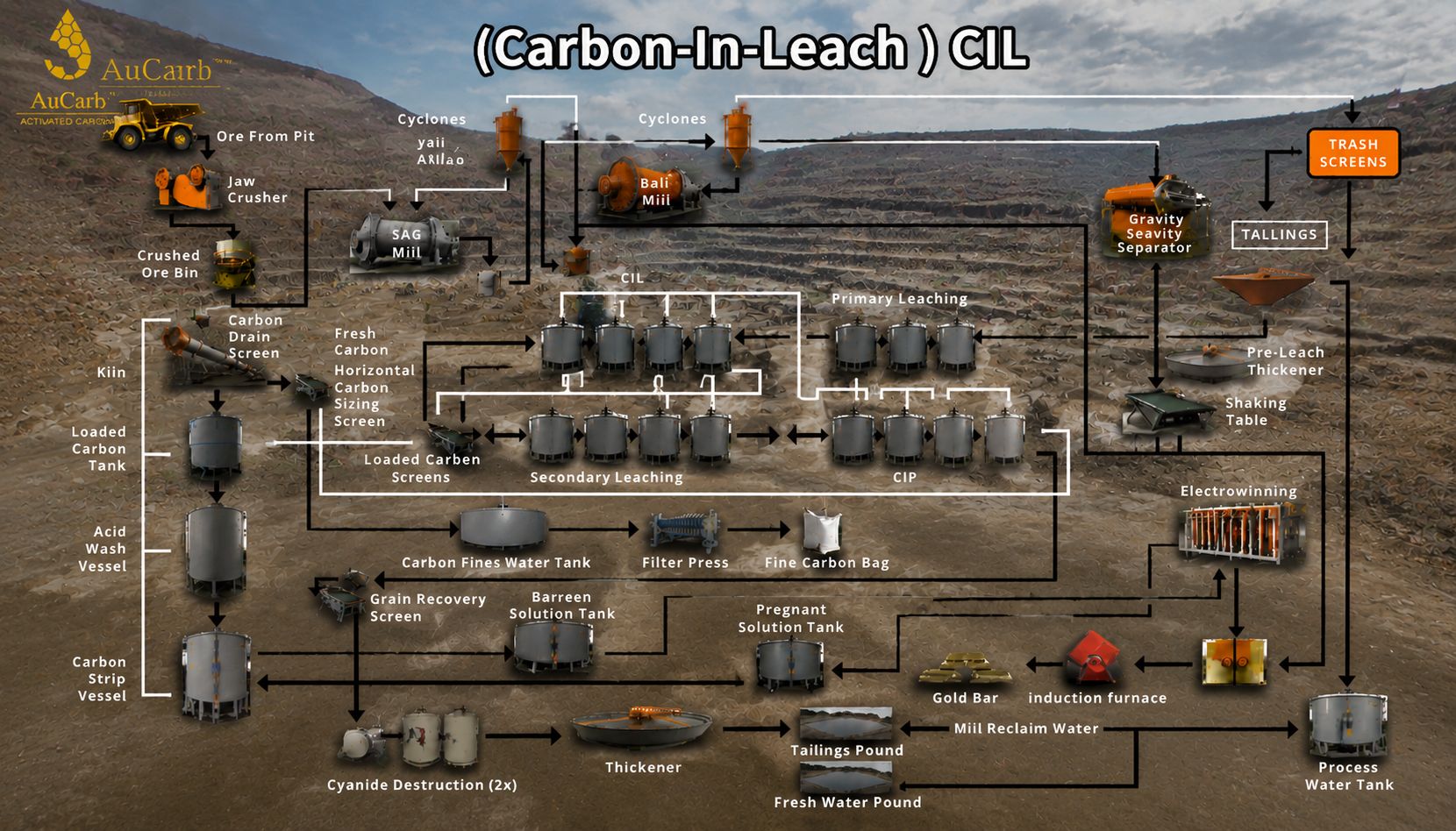
Postopek CIL je zelo podoben postopku CIP, vendar se aktivno oglje namesto tega dodaja neposredno v posode, v katerih poteka cianidacija. CIL je še posebej koristna tehnika, kadar ruda vsebuje visoke ravni ogljikovega materiala. Naravno prisoten ogljik tekmuje z aktivnim ogljem pri adsorpciji zlata v procesu, imenovanem »pregr robbing«, kar povzroča izgube zlata. Zato se pri CIL postopek cianidacije izvaja hkrati z adsorpcijo na aktivno oglje, ki je v neposrednem stiku s pulpo v raztopini cianida. Postopek CIL skrajša čas, ko je cianidirano zlato lahko v stiku s konkurenčnim ogljikom, ki je izvoren v rudi.
- Naključna vsebina
- Vroča vsebina
- Vroča pregledna vsebina
- Kromati / kalijev dikromat 99.5%
- Natrijeva soda gosta/lahka 99.2 % natrijev karbonat pralna soda
- CERTIFIKAT SISTEMA UPRAVLJANJA ZDRAVJA IN VARNOSTI PRI DELU
- Zbiralnik BLK-301/kompozitna plavajoča aktivna snov ≥60%
- Železov sulfat industrijske kakovosti 90%
- Natrijev alfa olefin sulfonat (AOS)
- Akrilamid
- 1Natrijev cianid po znižani ceni (CAS: 143-33-9) za rudarstvo – visoka kakovost in konkurenčne cene
- 2Natrijev cianid 98.3 % CAS 143-33-9 NaCN sredstvo za oblaganje zlata, bistvenega pomena za rudarsko-kemijsko industrijo
- 3Novi predpisi Kitajske o izvozu natrijevega cianida in smernice za mednarodne kupce
- 4Natrijev cianid (CAS: 143-33-9) Potrdilo o končnem uporabniku (kitajska in angleška različica)
- 5Mednarodni kodeks upravljanja s cianidom (natrijev cianid) – Standardi sprejemanja rudnikov zlata
- 6Kitajska tovarna žveplove kisline 98%
- 7Brezvodna oksalna kislina 99.6 % industrijske kakovosti
- 1Natrijev cianid 98.3 % CAS 143-33-9 NaCN sredstvo za oblaganje zlata, bistvenega pomena za rudarsko-kemijsko industrijo
- 2Visoka čistost · Stabilna zmogljivost · Višji izkoristek – natrijev cianid za sodobno luženje zlata
- 3United ChemicalRaziskovalna ekipa dokazuje avtoriteto z vpogledi, ki temeljijo na podatkih
- 4AuCyan™ visokozmogljiv natrijev cianid | 98.3-odstotna čistost za globalno rudarjenje zlata
- 5Digitalni elektronski detonator(čas zakasnitve 0~ 16000ms)
- 6Visoko trdni, visoko natančni udarni cevni detonator
- 7industrijski električni detonator


Spletno posvetovanje s sporočili
Dodaj komentar: