
Ekstraksi Emas Sianida is widely used iNTambang Emas due to its strong adaptability to ores, ability to produce emas on-site, and high laju recoverys. However, due to perlindungan lingkungan issues, measures are being taken to treat wastecai sateuacan sareng saatosna neundeun ka ACHieve zero discharge, or to use low-sianida or Leaching bébas sianida agents to protect the regional ecological lingkungan. This article introduces the operasi of sianida jeung karbon-inbubur (CIP) ékstraksi emas, aiming to grasp the principles of ékstraksi emas while eliminatimahg pollution and moving towards lingkungan ramahpertambangan.
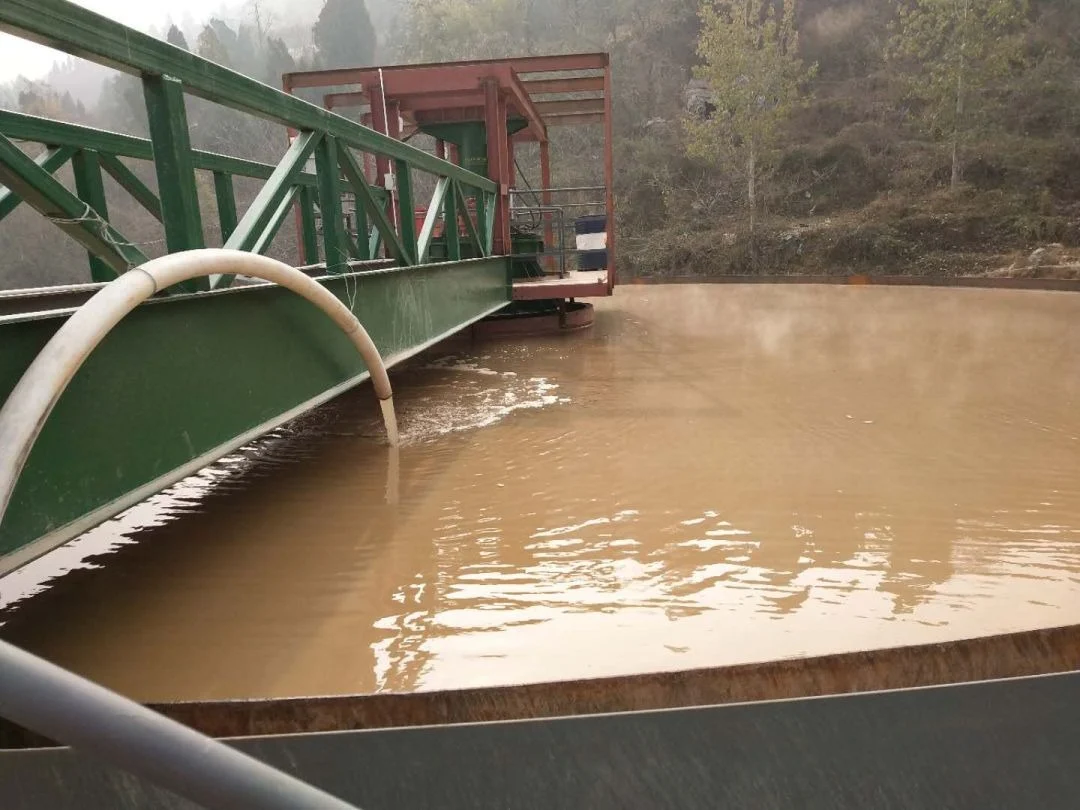
ékstraksi emas sianida
The operational factors include the concentrations of sianida and oxygen, temperature, the size and shape of gold particles in the ore, pulp dénsitas, slurry content, the surface film on gold particles, and waktos leaching.
lamun konsentrasi sianida is low, the kaleyuran of oxygen is relatively high, and the dissolution rate of gold depends on the Konsentrasi sianida; iraha Konsentrasi sianida is high, the dissolution rate of gold is determined solely by the oxygen concentration, generally ranging from 0.03% to 0.05%. Certain oksidans, Alat bantu nyucikeun, or direct oxygen injection are often added to significantly improve Efisiensi Leaching. In one carbon-in-pulp plant, replacing air with oxygen-rich gas (over 90% oxygen) in the Ngalenyepan tank increased the Laju leuleus by 0.89 percentage points. In another plant, adding 0.1 kg/ton of 98% mingpin acetate to the first leaching tank resulted in a decrease in the tailings kelas emas from 0.218 g/ton to 0.209 g/ton. The dissolution rate of gold in solusi sianida increases with temperature, typically MAintained between 10°C and 20°C; below 1.34°C, gold crystallizes, which is why northern plants often use blowtorches to thaw blocked pipes in winter. Above 34.7°C, gold becomes liquid, often releasing gas. To stabilize and reduce chemical losses, an appropriate amount of alkali is added to promote the réaksi towards hydrolysis; this alkali is referred to as alkali pelindung.
Fine gold particles have a large exposed surface area, making them easily leyur in cyanide. Additionally, flaky gold, small spherical gold particles, and gold particles with internal pores are also more easily dissolved. A lower pulp density results in lower viscosity, allowing ion sianida and oxygen to diffuse more rapidly to the surface of gold particles, leading to faster dissolution and higher laju leachings. However, a lower concentration can increase the volume of the pulp, raising equipment and réagen costs. The suitable pulp density is generally 40% to 50%, but in cases with high mud content and complex pasipatan, it should be controlled at 20% to 30%. Impurities can form various films on the surface of gold particles, affectimahg Emas leaching. Mineral pakait react with oxygen, cyanide, and alkali, hindering Ékstrak Emas. As leaching time increases, the leaching rate improves UP to a certain limit, after which the rate decreases due to the reduction in the volume and size of gold, increasing the distance between cyanide, dissolved oxygen, and komplek emases, while impurities accumulate to form harmful leaching films. The "sticking" of the leaching tank agitator is often due to high concentration, low fineness, and insufficient airflow, as well as the structural gap between the lower impeller and the tank bottom. In one cyanide workshop, after the tank became stuck, manual intervention was required, using high-pressure water guns, air guns, and long steel bars to clear the blocked pipes. It was ultimately discovered that the gap between the lower impeller and the tank bottom was four times the conventional size, and once adjusted, the problem was resolved.
Karbon-di-Bubur (CIP) Ékstrak emasn
Faktor operasional kalebet Karbon karbon diaktipkeunAdsorption, Desorption jeung éléktrolisis, and carbon kaderisasi.
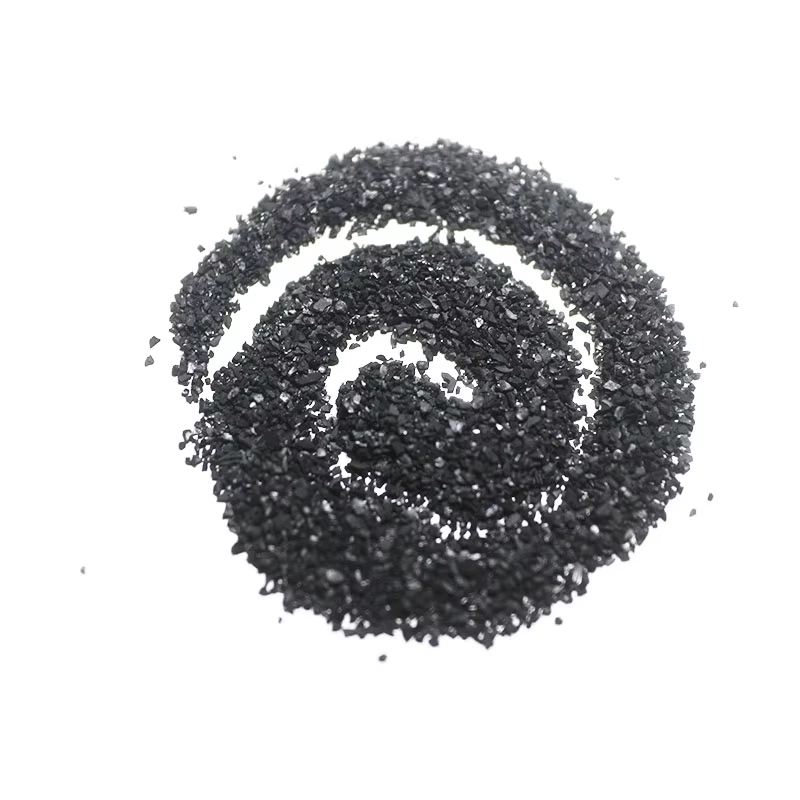
sateuacan nganggo karbon diaktipkeun, it should be "sharpened and de-dusted" through pre-grinding. When purchasing carbon, it is essential to ensure that both the kapasitas adsorption and strength are excellent, with a filling density of 0.50 kg/L to 0.55 kg/L. The particle size should be uniform, generally between 6 mesh to 12 mesh or 6 mesh to 16 mesh, and the ash content and undersized material should not exceed 3%. In a certain carbon pulp plant, the high content of powdered carbon resulted in the tailing liquid Kelas emas exceeding the conventional level by more than 16 times, leading to gold loss, necessitating a complete replasemen of the carbon. The density of carbon in the adsorpsi tank increases in a gradient; considering aging, frequent carbon replaSemén mangpaat pikeun recovery emas. In one carbon pulp plant, the carbon replacement cycle was changed from every 3 days to every other day, resulting in a 25% increase in produksi.
Carbon loss during overflow will also lead to gold loss, primarily caused by clogging of the carbon papisahan screen. It is necessary to pre-remove debris after the classifier and cyclone. The carbon papisahan screen should use a horizontal cylindrical screen, and issues can also be addressed by reducing the slurry concentration or adjusting the bottom carbon density and the airflow in the side air duct of the papisahan screen. The most concerning issue is carbon leakage from the ADSORPSI tailing tank; a 40-mesh kasalametan screen on the tailings mixing tank plays a crucial "gatekeeping" role, and it should be regularly checked and maintained to ensure it is intact. To reduce carbon wear, low-speed stirring is commonly used.
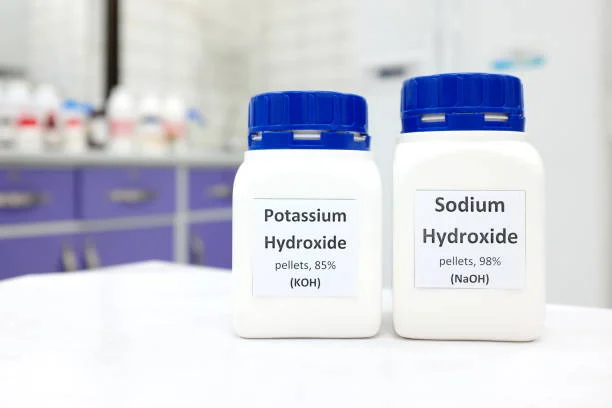
Desorption and electrolysis are conducted in a solution of 1% natrium hidroksida jeung Natrium sianida under a pressure of 0.35 MPa to 0.39 MPa, achieving desorption at temperatures of 135°C to 160°C, which is above the titik golak of the solution. The gold grade in the depleted carbon is below 50 g/t, and currently, non-cyanide desorption and electrolysis are widely applied.
For carbon kaderisasi, a 3% to 5% dilute Asam nitrat or Asam hidroklorat solution is used for soaking for 0.5 to 1 hour (the same applies below), with manual intermittent stirring. After soaking, the carbon is rinsed with water to remove the asam solution, followed by soaking in a 1% Natrium hidroksida solusi pikeun nétralkeun any remaining acid. Finally, the carbon is washed with 2 to 3 times the volume of water relative to the carbon bed.
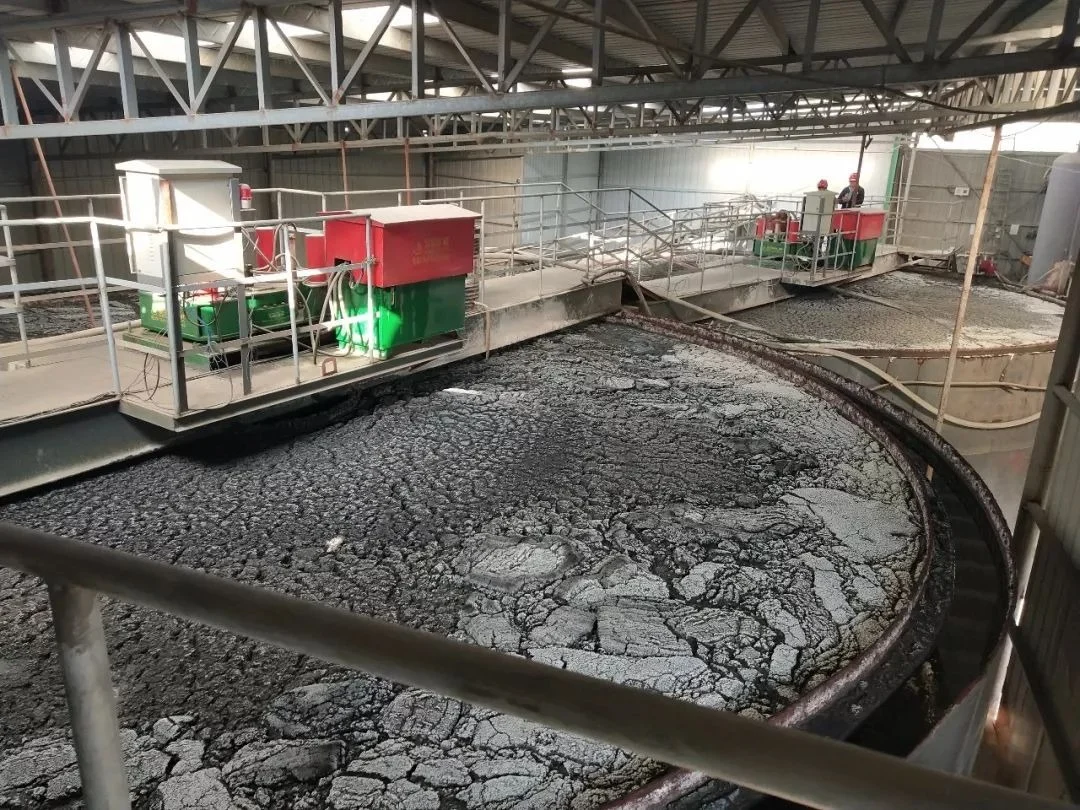
Konsentrasi Sianida, Alkalinitas, sareng Kapadetan Karbon
After measuring the concentration of the slurry, filter it using a funnel with filter keretas. Take a certain volume (in milliliters) into a conical flask, add 3-5 drops of methyl orange, and the solution will show a light yellow color. Titrate with standard nitrat pérak solution until a pink color appears; the volume of perak nitrate consumed in the acid titration tube indicates the cyanide content, which corresponds to the cyanide concentration. This can be adjusted by changing the flow rate of the Natrium Sianida solution. In this solution, add 1-2 drops of phenolphthalein, which will turn pink, and titrate with standard Asam Asétat solution until the pink color disappears. The difference in the meniscus level on the acid titration tube before and after titration indicates the volume of Asam asam consumed (in milliliters), which corresponds to the Jeruk nipis content. Sometimes, asam oksalat is used for titration, controlling the pH of the slurry to be between 10 and 12. The Kalsium oksida content in the slurry is approximately 0.01% to 0.02%. Alkalinity can also be adjusted by changing the amount of lime added. For example, in a disc-type lime feeder, the amount can be controlled by adjusting the position of the baffle.
A 1-liter cylindrical carbon pot, with a handle made of δ8 rebar, has a handle panjang of about 75% of the tank depth. The top of the handle is connected to a semi-open beusi lid of the pot with fine beusi wire or nylon string. By tightening or loosening the wire or string, the slurry karbon can enter the pot. After removing the pot from the tank, pour the collected carbon slurry into a sample sieve, rinse it thoroughly with clean water, and remove any water droplets before weighing the carbon amount, which gives the carbon density for this measurement, expressed in grams per liter. Samples are taken from the upper, middle, and lower parts of the tank, and the average value is taken as the carbon density of the tank. The prosés of carbon extraction, injection, unloading, and acid washing have all been automated using pressure water jetting. Therefore, the adjustment of carbon density in the adsorption tank can be managed through air-lifted carbon and gravity-fed carbon dasard on detection results.
Pikeun bongbolongan profésional langkung? Taros Kami!
Warm Tips:If you want to know more information, like quotation, produk, solutions, jsb,
- Eusi acak
- Eusi panas
- Eusi ulasan panas
- Kualitas luhur natrium silikat 99% gelas cai
- Dilegaan AN ngabeledug
- Amonium Klorida 99.5% Kolektor Pertambangan
- Kalsium péroxida 60% Assay Tablet Yellowish
- kalsium klorida anhidrat pikeun kadaharan
- Mangan sulfat
- Dietiléna Glikol
- 1Diskon Natrium Sianida (CAS: 143-33-9) pikeun Pertambangan - Kualitas Luhur & Harga Kalapa
- 2Natrium Sianida 98.3% CAS 143-33-9 NaCN agén panglapis emas Ésénsial pikeun Industri Kimia Pertambangan
- 3Peraturan Anyar Cina ngeunaan Ékspor Natrium Sianida sareng Pitunjuk pikeun Pembeli Internasional
- 4Natrium Sianida (CAS: 143-33-9) Sertipikat pangguna akhir (Vérsi Cina sareng Inggris)
- 5Kode Manajemén Sianida Internasional (Natrium sianida) - Standar Penerimaan Tambang Emas
- 6Pabrik Cina Asam Sulfat 98%
- 7Asam oksalat anhidrat 99.6% Kelas Industri
- 1Natrium Sianida 98.3% CAS 143-33-9 NaCN agén panglapis emas Ésénsial pikeun Industri Kimia Pertambangan
- 2Purity High · Performance Stabil · Pamulihan Luhur — natrium sianida pikeun leaching emas modern
- 3Suplemén Gizi Pangan Adiktif Sarcosine 99% mnt
- 4United ChemicalTim Panaliti Némbongkeun Otoritas Ngaliwatan Wawasan Didorong Data
- 5Natrium Sianida Kinerja Tinggi AuCyan™ | Kamurnian 98.3% pikeun Pertambangan Emas Global
- 6Detonator Éléktronik Digital(Waktu tunda 0~ 16000ms)
- 7Kakuatan luhur, High-precision Shock Tube Detonator



Konsultasi pesen online
Tambahkeun komentar: