


Gold Extraction Chemicals for Azerbaijan: Reagents for Lesser Caucasus CIL, Heap Leach & Polymetallic Circuits
High-Purity NaCN (≥98.3%), High-Hardness Coconut Carbon (≥99% Hardness) & Non-Hazardous GDA for Dashkasan, Gedabek, Goygol & Kalbajar
Azerbaijan's gold sector is rapidly expanding from oxide heap leaching into sulfide-phase CIL plants, underground copper-gold mines, and new Lesser Caucasus developments. ShaanXi United Chemical Co., Ltd. vifaa AuCyan™ Sodiamu Sianidi NaCN (≥98.3%) for permitted agitation and heap leach circuits, Kaboni Iliyoamilishwa ya Shell ya Nazi ya AuCarb™ Gold Recovery (≥99% Ugumu) for low-attrition recovery across 48-hour CIL trains, and Wakala wa Kuchuja Dhahabu wa AuLeach™ (GDA) – Sio Hatari for operators seeking streamlined Black Sea-to-Caucasus common-chemical logistics.
Azerbaijan Gold Mining Overview: Sulfide CIL Expansion, Polymetallic Copper-Gold Feeds & Caucasus Corridors
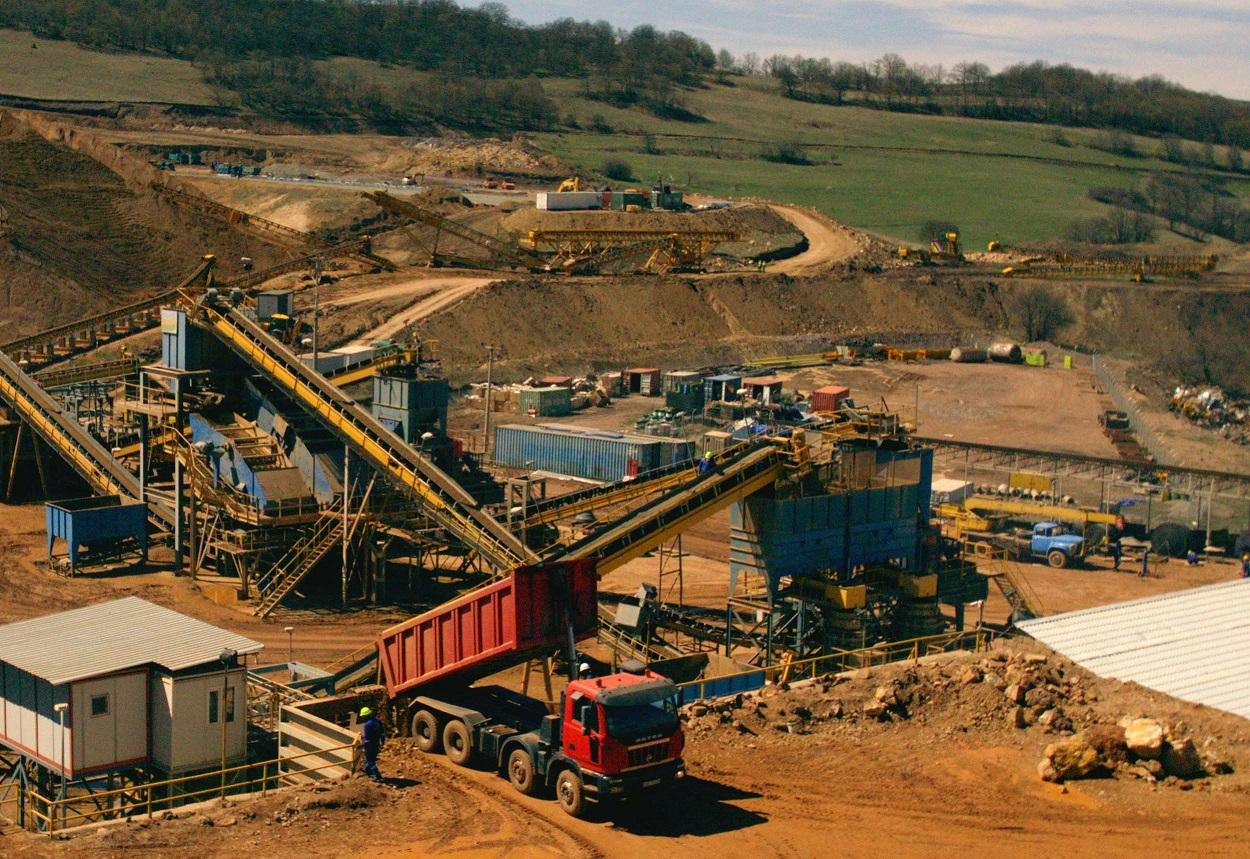
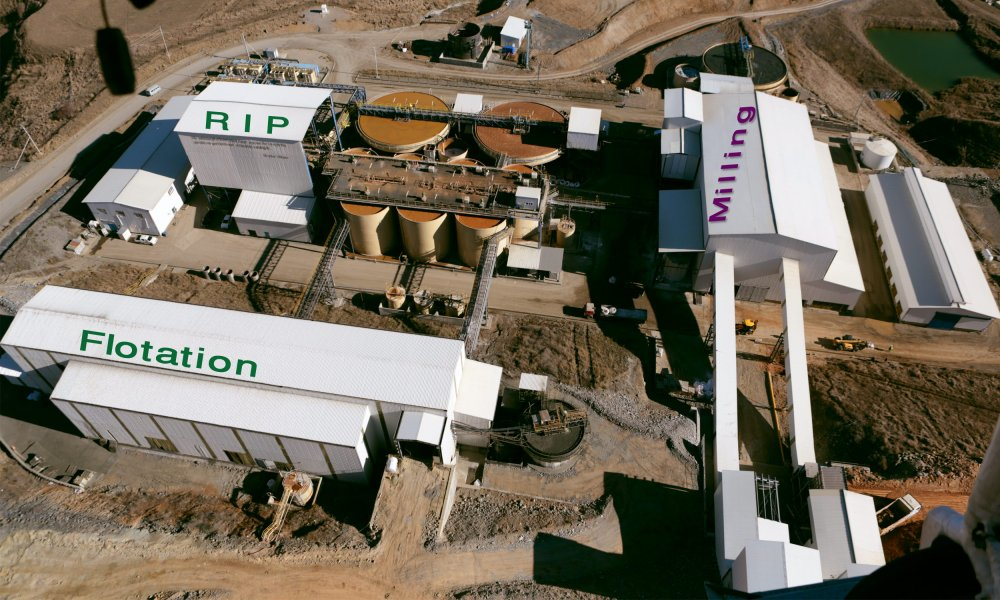
Azerbaijan sits along the Lesser Caucasus segment of the Tethyan Metallogenic Belt and operates two modern industrial gold processing hubs alongside a major new pipeline of regional deposits. At the state-owned Chovdar Integrated Regional Processing Area (CIRPA) in Dashkasan, AzerGold CJSC runs both a 1.4 Mt/yr Heap Leach Pad (HPL) and a 1.1 Mt/yr Carbon-in-Leach (CIL) plant commissioned in 2024 to treat sulfide-phase Chovdar ore alongside satellite deposits including Aghyokhush-2 (scheduled to begin mining in Q4 2026), Mara, na Tulallar. Katika Gedabek Contract Area, Anglo Asian Mining operates an integrated agitation leaching (CIL), crushed and run-of-mine heap leaching, flotation, and SART recovery complex—now fed by high-grade copper-gold ore from the new Gilar underground mine (which entered production in May 2025). Further west in Kalbajar, AzerGold initiated drilling and blasting at the Soyudlu (Zod) gold deposit in September 2026, entering a multi-year 2026–2029 development phase.
Reagent engineering in Azerbaijan revolves around four local realities. First, copper-bearing polymetallic ores such as Gilar (~0.88% Cu, ~1.30 g/t Au) consume free sianidi through copper complexation and demand high-purity, low-impurity leaching chemistry that integrates cleanly with SART cyanide-regeneration loops. Second, sulfide-phase CIL circuits operating on tight 48-hour residence times require fast-kinetics, high-hardness Shell ya Nazi ulioamilishwa Carbon (≥99% ball-pan hardness) that resists abrasion from sulfide-quartz slurries. Third, Lesser Caucasus mine sites face freezing highland winters (slowing leaching kinetics below 10 °C) and dry summers requiring closed-loop reverse-osmosis water recycling. Fourth, because Azerbaijan borders the landlocked Caspian Sea, ocean container shipments from China route through Black Sea ports in Georgia (Poti or Batumi) before overland road carriage into western Azerbaijan—making UN-certified factory-sealed packaging or Non-Hazardous common-chemical alternatives crucial to transit reliability.
United Chemical supplies mining plants across Nchi za 77 + kupitia usafirishaji wa vyombo vya baharini chini ya FOB (bandari kuu za kupakia mizigo za Kichina) au CIF masharti ya Poti or Batumi (Georgia)—the primary maritime gateways for western Azerbaijan's Ganja, Dashkasan, Gedabek, and Kalbajar corridors. Factory MOQs are fixed plainly by product: AuCarb™ 15 MT, AuCyan™ 18 MT, na AuLeach™ 28 MT, backed by factory-issued batch COA, TDS, and MSDS documentation.
1. Four Metallurgical & Transit Challenges Across Azerbaijan's Gold Belt
Western Azerbaijan's mining districts sit within a compact mountainous arc of the Lesser Caucasus—combining sulfide metallurgy, copper interference, seasonal temperature swings, and cross-border Black Sea transit.
Cyanicide Load & Solution Cleanliness
Copper-rich ores from Gilar and Gedabek consume free CN⁻ rapidly and feed into SART recovery circuits and reverse-osmosis water recycling. Low-impurity ≥98.3% NaCN with 0.02% insolubles protects SART heat exchangers, pumps, and dosing stability.
Fast Kinetics & Carbon Attrition
At Chovdar's 1.1 Mt/yr sulfide CIL plant and Gedabek's agitation tanks, continuous slurry shear grinds weak carbon into fines that carry gold to tails. ≥99% hardness and high K/R adsorption kinetics lock in recovery within tight residence times.
Black Sea Port to Lesser Caucasus
Ocean cargo discharges at Poti or Batumi (Georgia) before road transit into Azerbaijan. Class 6.1 Sianidi ya sodiamu requires import permits, EUC, and cross-border dangerous-goods road authorization—making Non-Hazardous GDA a strong logistical alternative where applicable.
Sub-10 °C Cold & Closed-Loop Water
Mountain elevations across Dashkasan, Gedabek, and Kalbajar experience severe winter frost and seasonal fresh-water limits. Consistent reagent quality, controlled alkalinity, and low-ash carbon (≤3%) prevent compounding kinetic and scaling losses.
2. Named Azerbaijani Gold Projects & Circuit-Matched Reagent Strategy
Operating processing plants and active development deposits in Azerbaijan mapped to the reagent specifications relevant for commercial supply or metallurgical trials.
| Operesheni/Mradi | District / Operator | Processing Route | Kipaumbele Muhimu cha Metallurgiska | Kifaa cha Kitendanishi Lengwa |
|---|---|---|---|---|
| Chovdar (CIRPA) – CIL | Dashkasan · AzerGold | 1.1 Mt/yr Sulfide CIL (48-hr) | High-recovery (~90%) sulfide leaching, rapid adsorption & low carbon attrition | AuCyan™ (≥98.3%) + AuCarb™ AC55 / AC60 (≥99% ugumu) |
| Chovdar (CIRPA) – Heap | Dashkasan · AzerGold | 1.4 Mt/yr Heap Leach (90-day) | Clean drip irrigation, winter pad protection & steady column flow | AuCyan™ (0.02% insolubles) or AuLeach™ + AuCarb™ BC1100 / AC50 |
| Aghyokhush-2 / Tulallar / Marah | Goygol / Dashkasan · AzerGold | Satellite Oxide/Sulfide Feed to CIRPA | Q4 2026 ramp-up; blended ore variability requiring stable kinetics | AuCarb™ AC50 / AC55 + AuCyan™ or AuLeach™ lab trials |
| Gedabek & Gilar Underground | Gedabek · Anglo Asian Mining | Agitation CIL + Heap + Flotation + SART | Copper-gold ore (0.88% Cu, 1.30 g/t Au), SART & RO water recycle | AuCyan™ (≥98.3%, low Na₂CO₃) + AuCarb™ AC50 / AC55 |
| Soyudlu (Zod) Development | Kalbajar · AzerGold | New Build (2026–2029), Flotation First Stage | First blasting Sept 2026; concentrate leachability & flowsheet validation | Free AuCarb™ & AuLeach™ samples for lab testing |
| Tutkhun / Ortakand-Goydagh | Kalbajar / Nakhchivan · AzerGold | Exploration & Epithermal Evaluation | Remote mountain access & early metallurgical testwork | AuLeach™ GDA (Non-Hazardous) & AuCarb™ bench trials |
Project milestones are compiled from public operator disclosures (AzerGold CJSC and Anglo Asian Mining PLC). Final reagent selection and dosage must be confirmed by bottle-roll and column testing on site ore and process water.
3. The Golden Triangle: Core Reagents & Full Specifications for Azerbaijan
Each reagent addresses an independent operational stage—permitted cyanidation leaching, low-attrition gold adsorption, or a Non-Hazardous common-chemical leaching alternative—matched to your circuit and transit requirements.
01. AuCyan™ Sodiamu Sianidi NaCN (≥98.3%)
Daraja la 6.1 Bidhaa Hatari (UN 1689 · MOQ 18 MT)AuCyan™ Sodium Cyanide ≥98.3% — The Purity Benchmark for Permitted Azerbaijani CIL & Heap Circuits
nafasi: Briketi thabiti yenye usafi wa hali ya juu sianidi ya sodiamu engineered for permitted industrial CIL, CIP, CIC, Heap leaching, and Vat leaching plants.
Pointi Kuu za Uuzaji: Usafi wa Juu ≥98.3% | Haiyeyuki kwa Kiwango cha Chini Sana (0.02% Kawaida) | Ufungashaji wa Briquette Iliyofungwa Kiwandani Iliyothibitishwa na UN
AuCyan™ Sodium Sianidi NaCN (≥98.3%) ni kitendanishi cha kuchuja briquette imara chenye usafi wa hali ya juu kilichotengenezwa kuzidi viwango vya GB/T 19306-2003 vya daraja la juu kwa saketi zilizoanzishwa za sianidi. Verified Azerbaijani hazardous-chemical import permits, End-User Certificates (EUC), and cross-border dangerous-goods transit authorizations are mandatory prerequisites before production is scheduled.
At polymetallic operations like Gedabek and Gilar—where copper-bearing ore feeds agitation leaching and SART cyanide-regeneration plants—and at Chovdar's 1.1 Mt/yr sulfide CIL plant, AuCyan™ sustains high free cyanide activity across tight 48-hour residence times. Tightly controlled NaOH (0.13% typical), low Na₂CO₃ (0.18% typical), and ultra-low insolubles (0.02% typical) help control alkalinity to inhibit scaling in SART exchangers, reverse-osmosis recycle lines, and heap leach drip emitters. UN-certified factory-sealed briquette packaging (50 kg steel drums or 1,000 kg reinforced wooden boxes) safeguards product stability through humid Black Sea discharge at Poti or Batumi and mountain highway transit into Dashkasan and Gedabek.
Kiwango cha Usafi wa Juu ≥98.3%: Maximizes active CN⁻ availability per tonne hauled across the Black Sea–Caucasus corridor, cutting freight cost per kilogram of active reagent.
Kizuizi cha Alkaliniti na Vipimo Kinachodhibitiwa: Tightly managed NaOH and low carbonate/insoluble levels limit precipitation in closed-loop water systems, SART units, and drip nozzles.
Uadilifu wa Kiwanda Kilichothibitishwa na Umoja wa Mataifa: Supplied in factory-sealed UN-certified packaging under FOB China or CIF Poti/Batumi terms with factory-issued batch COA, TDS, and MSDS.
Vipimo vya Kiufundi: Kiwango cha Usafi cha 98.3% (GB/T 19306-2003)
| Kipengee cha Kujaribu | Kiwango (GB/T 19306-2003) | AuCyan™ Kawaida | Athari ya Uendeshaji na Mzunguko |
|---|---|---|---|
| Sianidi ya Sodiamu (NaCN) | ≥ 98.0% | 98.3% | Supports strong free cyanide activity and sulfide dissolution kinetics. |
| Hidroksidi ya sodiamu (NaOH) | ≤ 0.5% | 0.13% | Hudhibiti alkali ili kuzuia unene na hidrolisisi ya mapema. |
| Sodiamu Kaboneti (Na₂CO₃) | ≤ 0.5% | 0.18% | Limits carbonate scale buildup in recycled process water and SART loops. |
| Unyevu (H₂O) | ≤ 0.9% | 0.5% | Preserves briquette stability across Black Sea transit and highland storage. |
| Dutu zisizoyeyuka | ≤ 0.05% | 0.02% | Protects slurry pumps, SART equipment, and heap leach drip emitters. |
Michakato: Kaboni-ndani-ya-Massa (CIP), Kaboni-ndani-ya-Kuvuja (CIL), Kaboni-ndani-ya-Safuwima (CIC), Kuvuja kwa Heap, Kuvuja kwa VAT. · MOQ: 18 MT · Kitovu cha kiufundi →
02. Kaboni Iliyoamilishwa ya Shell ya Nazi ya AuCarb™ Gold Recovery (≥99% Ugumu)
Mzigo wa Jumla · Sampuli ya Bure Inapatikana · MOQ 15 MTKaboni Iliyoamilishwa na Shell ya Nazi ya AuCarb™ — Ufyonzaji Sahihi na Upotevu Mdogo wa Mlalo
nafasi: Maganda ya nazi yaliyojengwa kwa madhumuni manne Iliyotokana na Carbon grades covering heap leach ADR columns, CIC vessels, and high-shear sulfide CIP/CIL tanks.
Pointi Kuu za Uuzaji: Ugumu wa Pan ya Mpira ≥99% (ASTM D3802) | Kinetiki za Kunyonya Haraka (K ≥26–30 kg/t, R ≥50–60%) | Mteremko wa Chini (≤1.5% kwenye AC50)
AuCarb™ ni kaboni iliyoamilishwa yenye ugumu wa juu (≥99%) iliyojaribiwa kwa ASTM ya Marekani (ikiwa ni pamoja na ugumu wa sufuria ya mpira ya ASTM D3802 na mbinu za iodini za ASTM D4607) na viwango vya metali vya AARL. Ugumu wa juu na mteremko mdogo huweka faini za kaboni zilizojaa dhahabu ndani ya saketi badala ya kuzipoteza kupitia skrini kati ya hatua hadi kwenye mikia. Imepakiwa kikamilifu katika mifuko ya PE yenye uzito wa kilo 25 yenye laminated nzito.
Chovdar's 1.1 Mt/yr sulfide CIL plant runs a 48-hour processing cycle while Gedabek continuously agitates polymetallic quartz-sulfide pulps—both environments punish soft carbon with rapid attrition. AuCarb™ AC50, AC55, and AC60 deliver ≥99% hardness, ≤1.5% attrition (AC50), ≤5% platelets, and ≤3% total ash, preserving gold-loaded granules across repeated elution and thermal regeneration cycles. For Chovdar's 1.4 Mt/yr heap leach pad and Gedabek's heap circuits, tight 6×12 mesh BC1100 or AC50 keeps column hydraulics stable and barren solution gold values low.
Ugumu na Upinzani wa Kutoweka kwa Kiwango cha Juu Sana: Ugumu maalum na kuondoa vumbi hutoa ugumu wa ≥99% wa sufuria ya mpira na mshuko wa ≤1.5% (AC50), hivyo kupunguza upotevu wa gharama kubwa wa faini za kaboni iliyojaa.
Usanifu wa Vinyweleo Ulioboreshwa (Thamani za Juu za K na R): Balanced micro- and meso-pores promote fast diffusion and firm entrapment of gold complexes, supporting high eluted doré output.
Orodha Kamili ya Daraja: Kuchagua BC1100 kwa ajili ya uvujaji wa chungu/CIC, AC50 or AC55 kwa CIP/CIL ya kawaida, na AC60 for high-duty sulfide CIL plants.
Mfululizo wa AuCarb™: Jedwali Kamili la Ulinganisho wa Vigezo vya Msingi
| Kigezo cha kupima | AuCarb™ BC1100 | AuCarb™ AC50 | AuCarb™ AC55 | AuCarb™ AC60 |
|---|---|---|---|---|
| Nafasi ya Mzunguko | Heap Leach / CIC | CIP / CIL / CIC / Heap | CIP / CIL / CIC | CIP / CIL ya Ushuru wa Juu |
| Msongamano unaoonekana | 0.40 - 0.50 g / ml | 0.48 - 0.55 g / ml | 0.45 - 0.55 g / ml | 0.45 - 0.55 g / ml |
| Ugumu wa Mpira-Sufuria (ASTM) | ≥ 98.5% | ≥ 99% | ≥ 99% | ≥ 99% |
| Yaliyomo ya Damu kwenye Chembe (AARL) | ≤ 5% | ≤ 5% | ≤ 5% | ≤ 5% |
| Kupungua kwa uume (AARL) | ≤ 2% | ≤ 1.5% | ≤ 2% | ≤ 2% |
| Jumla ya Maudhui ya Majivu | ≤ 5% | ≤ 3% | ≤ 3% | ≤ 3% |
| Unyevu (Kama Ulivyofungashwa) | ≤ 10% | ≤ 5% | ≤ 5% | ≤ 5% |
| Uwezo wa Kunyonya (Thamani ya K) | - | ≥ kilo 26/t | ≥ kilo 28/t | ≥ kilo 30/t |
| Kiwango cha Unyevushaji (Thamani ya R) | - | ≥ 50% | ≥ 55% | ≥ 60% |
| Nambari ya Iodini (Rejea ya Brosha) | ≥ 1100 mg/g | - | - | - |
| Shughuli za Butani | - | ≥ 19.5% | ≥ 21% | ≥ 23% |
| Shughuli ya CTC | - | ≥ 50% | ≥ 55% | - |
Ufungashaji na Viwango: Mesh ya kawaida ya 6×12 au mesh ya 8×16 ndani Mifuko ya PE yenye uzito wa kilo 25; imejaribiwa kwa mbinu za ASTM na AARL.
Rasilimali:Kategoria ya Kaboni ya Gamba la Nazi · Mwongozo wa Uteuzi wa AuCarb™ · Linganisha Daraja → · MOQ: MT 15 (Sampuli ya bure inapatikana).
03. Wakala wa Kuchuja Dhahabu wa AuLeach™ (GDA) – Sio Hatari
Kemikali ya Kawaida Isiyo Hatari · Sampuli ya Bure Inapatikana · MOQ 28 MTWakala wa Kuchuja Dhahabu wa AuLeach™ (GDA) — Mbadala wa Kuingiza Kemikali za Kawaida
nafasi: Kitendanishi cha uchujaji wa kemikali za kawaida kisicho na hatari kinachofanya kazi katika mtiririko uliopo wa CIP, CIL, CIC, uchujaji wa Heap, na uchujaji wa VAT bila marekebisho ya vifaa.
Pointi Kuu za Uuzaji: Kemikali ya Kawaida ya Mizigo | Ubunifu Mpya wa Mzunguko Usio na Usumbufu | Utumiaji wa Oksidi, Sulfidi na Matofali kwa Upana
AuLeach™ Gold Leaching Agent (GDA) – Non-Hazardous is a drop-in alternative for plants where cross-border Class 6.1 dangerous-goods permits or mountain road restrictions are the critical schedule constraint. It ships and clears as a common chemical (confirm against batch MSDS and local Georgian/Azerbaijani customs requirements) and runs with standard lime or caustic soda alkalinity control.
Because Azerbaijan receives ocean container cargo via Georgia's Black Sea ports before crossing the border into Dashkasan, Gedabek, Kalbajar, or Nakhchivan, shipping a Non-Hazardous common chemical avoids dual-country Class 6.1 dangerous-goods transit approvals and specialized hazmat convoys. Applicable across oxide ores, primary ores, high-sulfur and high-arsenic gold ores, gold concentrates, and cyanide tailings at pH 10.5–12—validate recovery on site ore via bottle-roll testing and maintain pulp temperature above 10 °C during highland winters.
Vifaa vya CAPEX: Hufanya kazi moja kwa moja katika matangi yaliyopo ya msisimko, pedi za chungu, na saketi za ufyonzaji wa kaboni zenye udhibiti wa kawaida wa pH 10.5–12.
Streamlined Black Sea–Caucasus Logistics: Declared Non-Hazardous, easing vessel booking into Poti or Batumi and simplifying cross-border trucking into Azerbaijan compared to Class 6.1 dangerous goods.
Matumizi ya Suluhisho la Mzunguko Uliofungwa: Both pregnant and lean solutions can be recycled in production, pairing seamlessly with AuCarb™ coconut-shell activated carbon downstream.
Taarifa na Vipimo vya Kiufundi vya AuLeach™
| Kigezo | Vipimo | Ujumbe wa Uendeshaji |
|---|---|---|
| Uainishaji wa Hatari | Isiyo Hatari (Kemikali ya Kawaida) | Confirm against batch MSDS and local Georgian/Azerbaijani customs rules before ordering. |
| Muonekano na Uzito | Poda ngumu nyeupe hadi kijivu-nyeupe · 1.20–1.35 g/cm³ | Huyeyuka katika maji ya alkali kwenye joto la kawaida. |
| Mkusanyiko Amilifu na Kipimo | 30% inayofanya kazi · Kiashiria 0.5–1.0 ‰ (500–1000 g/t) | Thibitisha kipimo halisi kupitia upimaji wa chupa au safu wima kwenye madini yako. |
| PH ya Uendeshaji na Halijoto | pH 10.5–12 (lengo 11 ± 1) · Bora zaidi ya 10 °C | Dumisha alkali kwa kutumia chokaa au soda kali; pasha au ongeza muda wa kuhifadhi wakati wa baridi. |
| Ufungashaji na MOQ | Mfuko halisi wa PE wenye uzito wa kilo 25 · MOQ 28 MT | Sampuli ya maabara ya bure inapatikana kwa tathmini ya kiufundi inayostahili. |
Michakato: Kuchuja kwa lundo, Kuchuja kwa VAT, Kaboni-ndani-ya-Massa (CIP), Kuchuja kwa Kaboni-ndani-ya-Masafi (CIL), Safu wima ya Kaboni-ndani-ya-Masafi (CIC). · MOQ: 28 MT · Maelezo ya Kitendanishi →
4. Selection Logic by Circuit Stage for Azerbaijani Operations
Reagents are selected independently according to circuit stage, ore mineralogy, and cross-border permitting status. Use this matrix when preparing technical evaluations or tenders.
| Sababu ya Uamuzi | AuCyan™ | AuCarb™ | AuLeach™ |
|---|---|---|---|
| Hatua ya Mchakato | Conventional cyanidation & SART circuits | Gold adsorption (CIL / CIP / CIC / Heap) | Uvujaji mbadala wa kemikali za kawaida |
| MOQ ya Kiwanda | 18 MT | 15 MT | 28 MT |
| Ainisho ya | Class 6.1, UN 1689 (Dangerous Goods) | Mizigo ya jumla | Kemikali ya kawaida isiyo na hatari |
| Sampuli ya Maabara ya Bure | Haijatolewa | Available | Available |
| Permits & Transit | Import permit, EUC & cross-border DG road permit | Standard commercial import via Poti / Batumi | Confirm common-chemical transit & import rules locally |
| Chagua Wakati | Permitted CIL / heap / SART plant with valid EUC | Carbon replenishment or new sulfide CIL commissioning | Avoiding dual-country Class 6.1 transit complexity |
Ulinganisho kamili kwenye muhtasari wa Pembetatu ya Dhahabu na Suluhisho la Mzunguko Mchanganyiko.
5. Maritime Gateways, Trade Terms & Export Documentation for Azerbaijan
Clear ocean-freight commercial terms engineered for landlocked Caspian buyers routing containerized reagents from China via Black Sea gateways.
| Bidhaa ya Biashara | Vipimo na Sera ya Kawaida |
|---|---|
| Masharti ya Biashara (Incoterms) | Strictly FOB from major Chinese loading ports (Shanghai, Qingdao, Ningbo-Zhoushan, Tianjin, Guangzhou), or CIF to the buyer's nominated Black Sea ocean seaport via container freight. |
| Primary Ocean Gateways | Bandari ya Poti na Bandari ya Batumi (Georgia) serve as the primary Black Sea discharge ports for Azerbaijan's western gold belt (Ganja, Dashkasan / Chovdar, Gedabek, Goygol, and Kalbajar). Final discharge port is confirmed on the quotation. |
| MOQ ya Kiwanda | AuCarb™ 15 MT · AuCyan™ 18 MT · AuLeach™ 28 MT. Exact container stowage tonnage is stated separately in the quotation so per-tonne freight math is transparent. |
| Ufungaji | AuCarb™ na AuLeach™: Mifuko ya PE yenye uzito wa kilo 25AuCyan™: Kifungashio cha briquette kilichofungwa kiwandani kilichoidhinishwa na Umoja wa Mataifa (ngoma za chuma zenye uzito wa kilo 50 au masanduku ya mbao yenye uzito wa kilo 1,000 yaliyoimarishwa yenye vifuniko vya ndani vya PE vilivyofungwa kwa joto). |
| Import & Transit Prerequisites | AuCyan™ supply requires verified Azerbaijani hazardous-chemical import permits, an End-User Certificate (EUC) issued by the relevant authority, and compliance due diligence before production scheduling. Confirm Georgian/Azerbaijani cross-border dangerous-goods road transit permits with your clearing agent. |
| Muda wa Kuongoza na Malipo | Production and packing typically take ~2 weeks, with indicative total delivery lead time of 4–6 weeks depending on Black Sea feeder schedule and discharge port. Payment via L/C, D/P, or T/T at buyer's cost, confirmed at quotation. |
| Hati za Ubora na Usafirishaji | Cheti cha Uchambuzi cha Kundi (COA) kilichotolewa kiwandani, Karatasi ya Data ya Kiufundi (TDS), Karatasi ya Data ya Usalama wa Nyenzo (MSDS), orodha ya vifungashio, ankara ya kibiashara, Hati ya Usafirishaji, na cheti cha asili. |
| Sampuli za Majaribio ya Maabara | Sampuli za maabara za bure za kaboni iliyoamilishwa ya AuCarb™ na AuLeach™ GDA kwa ajili ya uthibitisho wa madini. AuCyan™ Sianidi ya sodiamu Sampuli hazijatolewa. |
Cross-border road carriage from Poti or Batumi into Azerbaijan (including licensed dangerous-goods highway transport where applicable) is arranged by the buyer's nominated local logistics agent.
Validate Recovery on Your Azerbaijani Ore Before Booking a Container
Running sulfide CIL or heap leach circuits in Dashkasan or Gedabek, or evaluating flowsheets in Kalbajar and Nakhchivan? Send us your ore assay, mesh requirement, and nominated Black Sea discharge port. We will return a batch COA, written FOB/CIF quotation, and free laboratory samples of AuCarb™ or AuLeach™ for independent metallurgical testing.
Sampuli ya Maabara na Sera ya Agizo: Sampuli za majaribio bila malipo hutolewa kwa ajili ya Kaboni Iliyoamilishwa ya Urejeshaji wa Dhahabu wa AuCarb™ na Wakala wa Kuchuja Dhahabu wa AuLeach™ (GDA) – Sio HatariSampuli za AuCyan™ Sodiamu Sianidi NaCN (≥98.3%) hazijatolewa.
* Commercial bulk orders start at factory MOQs of AuCarb™ 15 MT, AuCyan™ 18 MT, and AuLeach™ 28 MT under FOB China or CIF Poti / Batumi ocean freight terms.
Frequently Asked Questions — Azerbaijan Gold Extraction Reagents & Logistics
Direct metallurgical, regulatory, and shipping answers compiled for gold mining operations across Azerbaijan and the Lesser Caucasus.
1. Which ocean seaports serve containerized chemical deliveries from China to Azerbaijan?
Because Azerbaijan borders the landlocked Caspian Sea, ocean container freight from China discharges at Black Sea seaports—primarily Port of Poti or Port of Batumi in Georgia. From there, Azerbaijan's main western gold hubs (Dashkasan, Gedabek, Goygol, and Kalbajar) are reached by direct cross-border highway haulage arranged by the buyer's nominated local logistics agent.
2. Which AuCarb™ grade fits a 48-hour sulfide CIL plant like Chovdar CIRPA?
For sulfide-phase CIL plants operating on 48-hour retention times (such as Chovdar's 1.1 Mt/yr CIL train), we recommend AuCarb™ AC55 or AC60 in 6×12 mesh. Both combine ≥99% ball-pan hardness (ASTM D3802) with elevated adsorption kinetics (K ≥28–30 kg/t, R ≥55–60%) and ≤3% total ash, capturing dissolved gold quickly while resisting slurry shear.
3. How does AuCyan™ support copper-gold agitation leaching and SART circuits like Gedabek and Gilar?
Copper-gold ores such as Gilar (~0.88% Cu, ~1.30 g/t Au) consume free cyanide rapidly and rely on SART recovery and closed-loop water recycling. AuCyan™ (≥98.3% NaCN) delivers concentrated free CN⁻ with low NaOH (0.13% typical), low Na₂CO₃ (0.18% typical), and ultra-low insolubles (0.02% typical), helping prevent scale buildup in SART exchangers and reverse-osmosis recycle pipelines.
4. Which activated carbon works best for Chovdar's 1.4 Mt/yr heap leach pad or Gedabek's heap circuits?
For heap leaching feeding Carbon-in-Column (CIC) or ADR circuits, we typically start with AuCarb™ BC1100 or AC50 in 6×12 mesh. Tight particle-size grading and ≤5% platelet content keep column pressure drop predictable across high solution flows, while AC50's ≤1.5% attrition rating minimizes carbon loss during carbon transfer and acid washing.
5. How do your reagents apply to AzerGold's Soyudlu (Zod) project in Kalbajar?
Soyudlu entered initial drilling and blasting in September 2026 (2026–2029 build phase), with metallurgical studies indicating flotation as the required first processing stage. While gold leaching and carbon adsorption apply downstream once concentrate leaching or CIL flowsheets are fixed, we support early metallurgical evaluation with free laboratory samples of AuCarb™ and AuLeach™ GDA.
6. What permits are mandatory before importing AuCyan™ Sodium Cyanide into Azerbaijan?
AuCyan™ (UN 1689, IMDG Class 6.1) requires verified Azerbaijani hazardous-chemical import permits, an End-User Certificate (EUC) issued by the relevant authority, and compliance due diligence before production is scheduled. Buyers routing through Georgia must also secure valid cross-border dangerous-goods road transport permits with their logistics agent.
7. How does AuLeach™ GDA simplify cross-border Black Sea logistics into Azerbaijan?
Wakala wa Kuchuja Dhahabu wa AuLeach™ (GDA) ametangazwa kuwa Si Hatari na husafirishwa kama kemikali ya kawaida badala ya bidhaa hatari za Daraja la 6.1. It drops into existing Heap leaching, Vat leaching, CIP, CIL, and CIC plants without equipment modification at pH 10.5–12, avoiding dual-country Class 6.1 dangerous-goods transit approvals subject to local customs verification.
8. How do Lesser Caucasus winters affect gold leaching performance in Dashkasan, Gedabek, and Kalbajar?
Gold leaching kinetics are strongest when pulp or solution temperatures remain above 10 °C and slow markedly during freezing mountain winters. Highland plants typically insulate or heat agitated CIL tanks and manage seasonal heap-pad irrigation schedules; consistent reagent purity ensures winter temperature is the only variable operators must manage.
9. Can AuLeach™ GDA be evaluated on sulfide ores, gold concentrates, or satellite deposits like Aghyokhush-2?
Ndiyo—AuLeach™ GDA inatumika kwa madini ya oksidi, madini ya msingi, madini ya dhahabu yenye salfa nyingi na arseniki nyingi, madini ya dhahabu yaliyokolea, na mikia ya sianidi. Because dissolution recovery depends on site mineralogy, we supply free laboratory test samples so your metallurgists can run side-by-side bottle-roll tests before committing a commercial order.
10. What are the factory Minimum Order Quantities (MOQ) and packaging formats for Azerbaijan?
MOQ za kiwandani hurekebishwa kulingana na bidhaa: AuCarb™ 15 MT, AuCyan™ 18 MT, na AuLeach™ 28 MT. AuCarb™ na AuLeach™ zimefungwa kikamilifu ndani ya Mifuko ya PE yenye uzito wa kilo 25; AuCyan™ is packed in UN-certified factory-sealed 50 kg steel drums or 1,000 kg reinforced wooden boxes with heat-sealed PE inner liners.
11. Can Azerbaijani mining laboratories request free test samples prior to ordering?
Yes—free laboratory test samples are available for AuCarb™ Activated Carbon and AuLeach™ Gold Leaching Agent (GDA) – Non-Hazardous for qualified ore validation. Samples of AuCyan™ Sodium Cyanide are not provided; AuCyan™ supply begins at commercial orders (18 MT MOQ) under valid import permits and EUC.
12. What pH, dosage, and analytical monitoring method apply when testing AuLeach™ GDA?
Maintain alkaline conditions at pH 10.5–12 (target 11 ± 1 after ore addition) using lime or caustic soda, with an indicative dosage of 0.5–1.0 ‰ (500–1000 g/t ore) confirmed by bottle-roll trials. Plant labs track active reagent concentration via standard silver nitrate titration with a rhodanine indicator.
13. How do I choose between AuCarb™ BC1100, AC50, AC55, and AC60, and between 6×12 and 8×16 mesh?
Select BC1100 for heap leach/CIC columns, AC50 (≥99% hardness, K ≥26 kg/t, attrition ≤1.5%) for balanced CIP/CIL/heap duty, AC55 (K ≥28 kg/t, R ≥55%) for higher-throughput CIL, and AC60 (K ≥30 kg/t, R ≥60%) for demanding sulfide CIL trains. 6×12 mesh is the mainstream standard for CIL and high-flow CIC columns, whereas 8×16 mesh suits specialized fine-screen circuits seeking faster kinetics.
14. What quality documents, lead time, and payment terms apply to Azerbaijan shipments?
Every shipment includes factory-issued batch COA, TDS, MSDS, packing list, commercial invoice, Bill of Lading, and certificate of origin. Production typically takes ~2 weeks with an indicative total delivery lead time of 4–6 weeks depending on vessel feeder schedules to Poti or Batumi. Payment options include L/C, D/P, or T/T at buyer's cost, confirmed in the quotation.
15. Why are solid sodium cyanide briquettes safer and cleaner than powder for mountain mine sites?
Uniform solid briquettes drastically reduce airborne dust during tank charging, resist moisture caking across maritime and mountain transit (0.5% typical moisture), and dissolve at a steady, controllable rate. Factory-sealed UN-certified drums and 1,000 kg boxes ensure packaging integrity from loading port to the mine mixing bay.
Jinhui Global, Wilaya ya Qujiang, Xi'an, Mkoa wa Shaanxi, Uchina
Simu ya rununu / WhatsApp: + 86 17392705576 · Barua pepe: info@unitedchemicalcn.com · Mtandao: unitedchemicalcn.com
Mkazo: Suluhisho za Uchimbaji Dhahabu na Uchimbaji wa Chuma cha Thamani · Kuhudumia Nchi 77+
© 2026 ShaanXi United Chemical Co., Ltd. Haki zote zimehifadhiwa. | Masharti ya Huduma | Wasiliana Nasi
- Maudhui Nasibu
- Maudhui ya moto
- Maudhui motomoto ya ukaguzi
- Polyethilini Glycol PEG - 2000/4000/6000/8000 pombe ethoxylate surfactant
- MFUMO WA USIMAMIZI WA UBORA
- Bomba la mshtuko wa nguvu ya juu (VOD≧2000m/s)
- Sodiumsulfite Daraja la Ufundi 96% -98%
- Je! ni tahadhari gani za uhifadhi na utunzaji wa kemikali za madini?
- 1Sianidi ya Sodiamu iliyopunguzwa bei (CAS: 143-33-9) kwa Uchimbaji - Ubora wa Juu na Bei za Ushindani
- 2Sodiamu Sianidi 98.3% CAS 143-33-9 Kiambato cha dhahabu cha NaCN Muhimu kwa Viwanda vya Kemikali vya Madini
- 3Kanuni Mpya za China kuhusu Usafirishaji wa Sianidi ya Sodiamu na Mwongozo kwa Wanunuzi wa Kimataifa
- 4Sodium Cyanide (CAS: 143-33-9) Cheti cha mwisho cha mtumiaji (toleo la Kichina na Kiingereza)
- 5Sianidi ya Kimataifa(Sianidi ya Sodiamu) Msimbo wa Usimamizi - Viwango vya Kukubalika kwa Mgodi wa Dhahabu
- 6Kiwanda cha China Sulfuric Acid 98%
- 7Asidi ya Oxalic isiyo na maji 99.6% ya Daraja la Viwanda
- 1Sodiamu Sianidi 98.3% CAS 143-33-9 Kiambato cha dhahabu cha NaCN Muhimu kwa Viwanda vya Kemikali vya Madini
- 2Usafi wa Hali ya Juu · Utendaji Imara · Urejeshaji wa Juu — sianidi ya sodiamu kwa uchujaji wa dhahabu wa kisasa
- 3United ChemicalTimu ya Utafiti Inaonyesha Mamlaka Kupitia Maarifa Yanayoendeshwa na Data
- 4Sainidi ya Sodiamu ya Utendaji wa Juu ya AuCyan™ | Usafi wa 98.3% kwa Uchimbaji wa Dhahabu Duniani
- 5Kipumulio cha Kielektroniki cha Dijitali (Muda wa kuchelewa 0 ~ 16000ms)
- 6Kifafanulia cha Mirija ya Mshtuko chenye nguvu ya juu na kwa usahihi wa hali ya juu
- 7sekta ya Kifuta Umeme


Ushauri wa ujumbe mtandaoni
UnitedChemical Ongeza maoni: