
The starting materials for the production of activated Carbon are:carbon-containing raw materials such as wood, peat, lignite, hard coal,fruit kernels such as olive pits, Coconut Shells, etc. The activation of these materials can be carried out using two different methods.
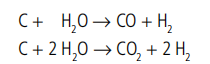
In gas activation, already carbonized material is used and exposed to the oxidizing influence of a gas stream, such as water vapor, carbon dioxide, air, or mixtures thereof. The activation temperature is approximately 700–1000°C, whereby the carbon is partially combusted after the water-gas reaction, thus creating a porous, highly active carbon skeleton.
In chemical activation, one usually first mixes uncarbonized, carbon-containing material with dehydrating and oxidizing chemicals. The resulting mixture is then heated to 400–800°C. The activating agents—which can include zinc chloride, phosphoric acid, sulfuric acid, and others—are subsequently washed out and recovered.
The activation itself is carried out in rotary kilns, multi-stage kilns, shaft kilns, fluidized bed kilns, or fluidized bed reactors.
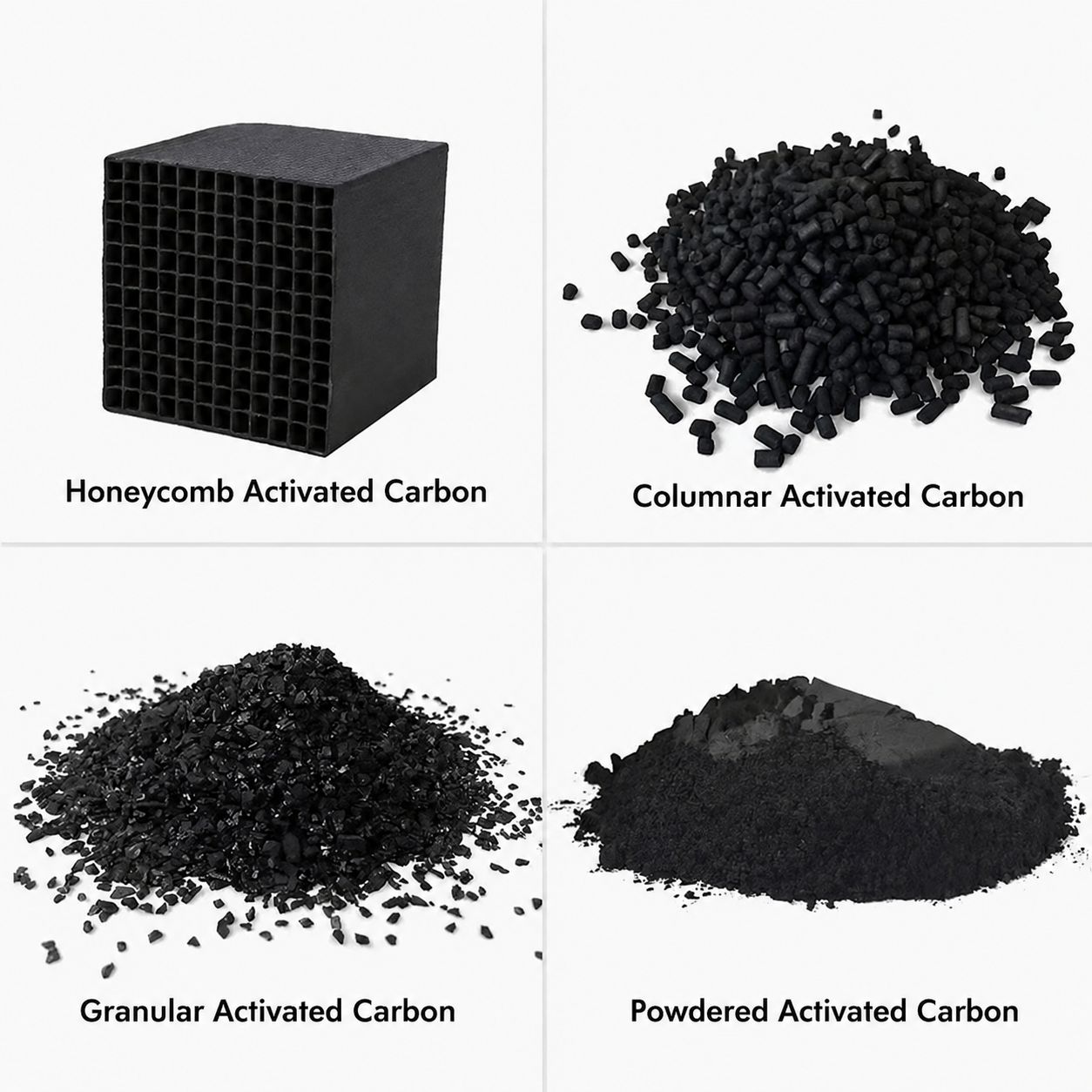
The common product forms for Activated Carbon are:
shaped (mostly in the form of cylindrical pellets),
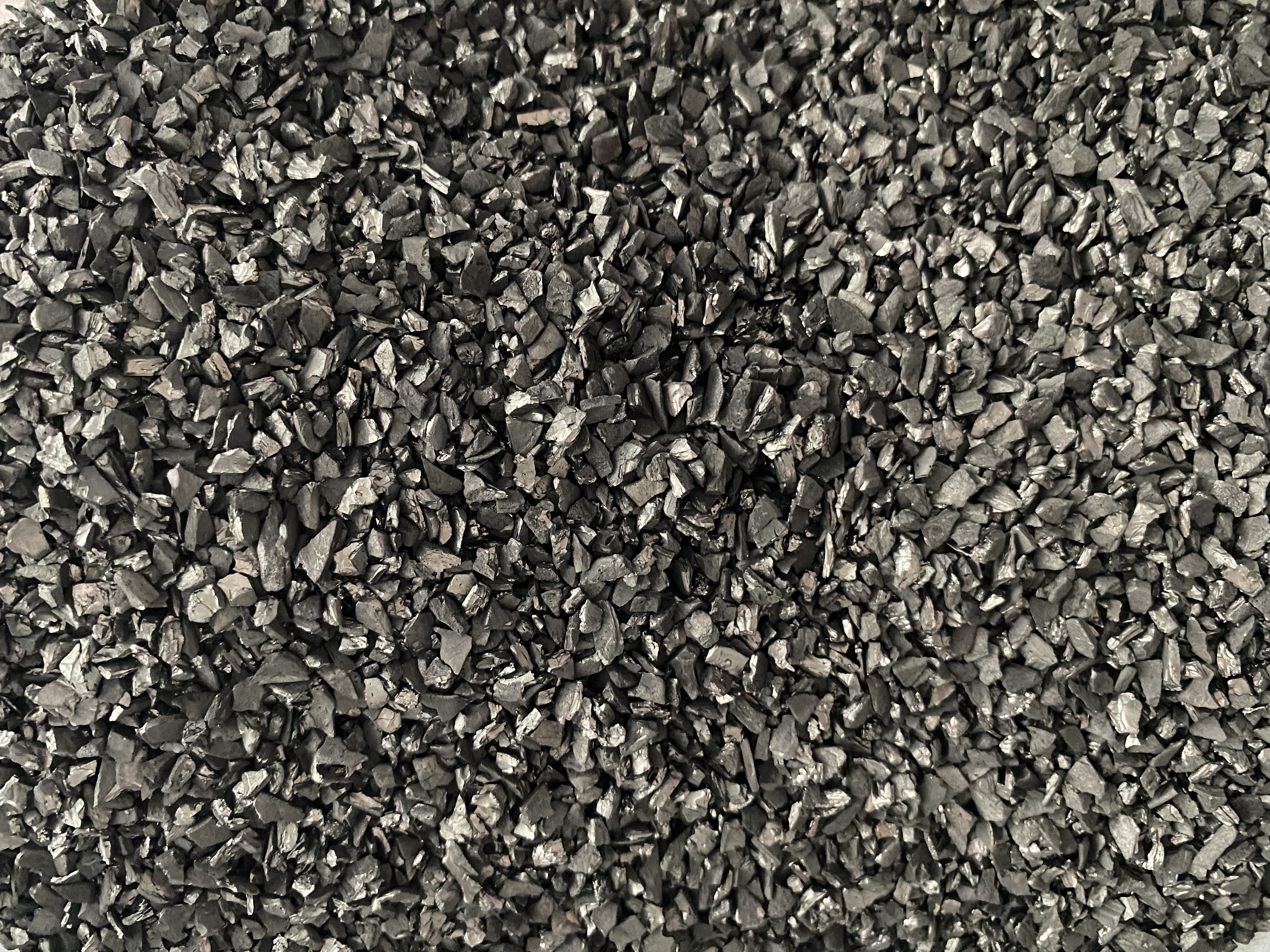
broken (granules or crushed activated carbon),
powdered in defined particle sizes.
Special manufacturing methods include:
spherical activated carbon,
activated carbon fibers or fiber mats,
so-called“honeycombs.”
The manufacturing and activation methods, as well as the underlying raw material, significantly influence the properties of the activated carbon with regard to its adsorption capacity during application. In particular, the size of the internal surface area and the pore structure are highly dependent on the activation process.
- Random Content
- Hot content
- Hot review content
- Plastic Shock Tube(VOD≧1600m/s)
- What are the storage and handling precautions for mining chemicals?
- How can I optimize the use of chemicals in ore processing?
- Alkyl Hydroxamic Acid 60%
- sodium O,O-diethyl dithiophosphate
- Factory Supply Lauramine/Dodecanamine 99% Liquid
- For water treatment, mineral processing, cationic polyacrylamide polymer
- 1Discounted Sodium Cyanide (CAS: 143-33-9) for Mining - High Quality & Competitive Pricing
- 2Sodium Cyanide 98.3% CAS 143-33-9 NaCN gold dressing agent Essential for Mining Chemical Industries
- 3China's New Regulations on Sodium Cyanide Exports and Guidance for International Buyers
- 4Sodium Cyanide (CAS: 143-33-9) End user certificate (Chinese and English version)
- 5International Cyanide(Sodium cyanide) Management Code - Gold Mine Acceptance Standards
- 6China factory Sulfuric Acid 98%
- 7Anhydrous Oxalic acid 99.6% Industrial Grade
- 1Sodium Cyanide 98.3% CAS 143-33-9 NaCN gold dressing agent Essential for Mining Chemical Industries
- 2High Purity · Stable Performance · Higher Recovery — sodium cyanide for modern gold leaching
- 3United Chemical's Research Team Demonstrates Authority Through Data-Driven Insights
- 4AuCyan™ High-Performance Sodium Cyanide | 98.3% Purity for Global Gold Mining
- 5Digital Electronic Detonator(Delay time 0~ 16000ms)
- 6High-strength, High-precision Shock Tube Detonator
- 7industry Electric Detonator


Online message consultation
Add comment: