
Transforming Gold Processing in Central Africa: High-Performance Reagents
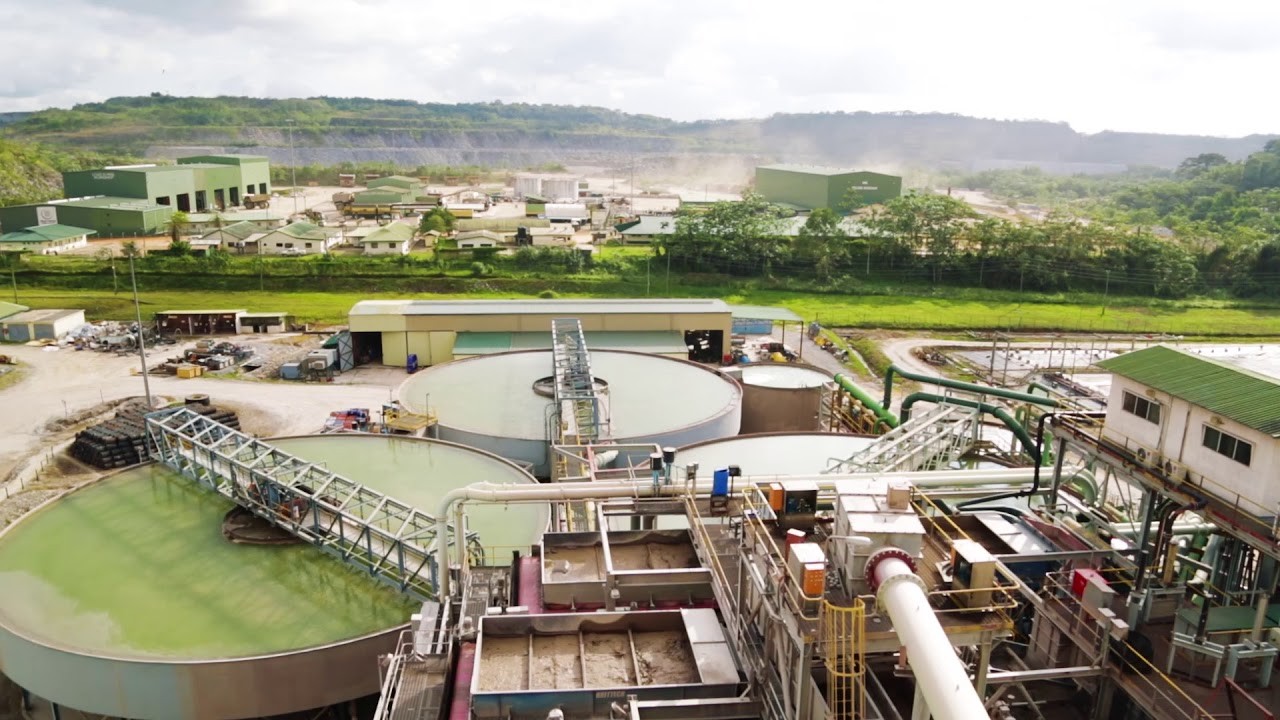
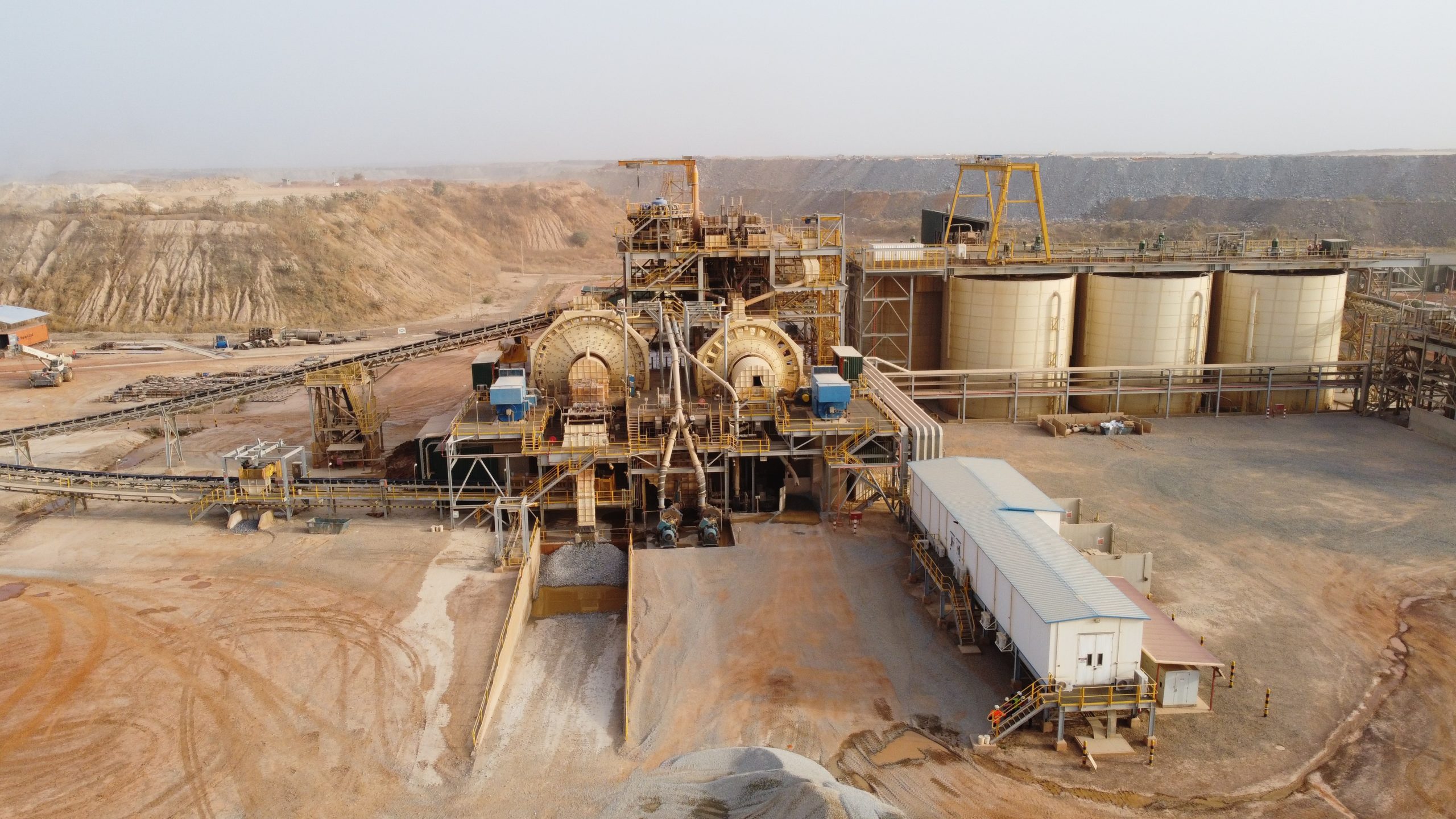
The gold mining landscape in Central Africa—spanning the mineral-rich greenstone belts of the Democratic Republic of Congo (DRC), the expanding mechanized sites in Cameroon, and the emerging operations in Gabon and the Central African Republic—is evolving rapidly. Operators are scaling up from artisanal techniques to sophisticated metallurgical processing facilities capable of handling vast tonnages of both primary and weathered lateritic ores.
However, mining in the Congo Basin presents distinct challenges. First, the Tropical Rainforest Climate: Extreme humidity and torrential rainfall require chemical inputs to have uncompromising, weather-proof packaging to survive the sea voyage and subsequent inland storage. Second, Highly Weathered Ores: Laterite soils create highly viscous slurries in tanks, demanding exceptionally durable reagents that won't degrade under intense agitation. Third, Operational Versatility: Metallurgists need adaptable chemistry that performs equally well across Carbon-in-Pulp (CIP), Carbon-in-Leach (CIL), Carbon-in-Column (CIC), as well as expansive Heap Leaching and structured Vat Leaching setups.
United Chemical is the definitive partner for Central African gold producers. We deliver an integrated suite of premium reagents engineered to defy harsh tropical conditions, streamline your import processes, and ultimately maximize your precious metal yields.
The Ultimate Reagent Suite for Central African Mines
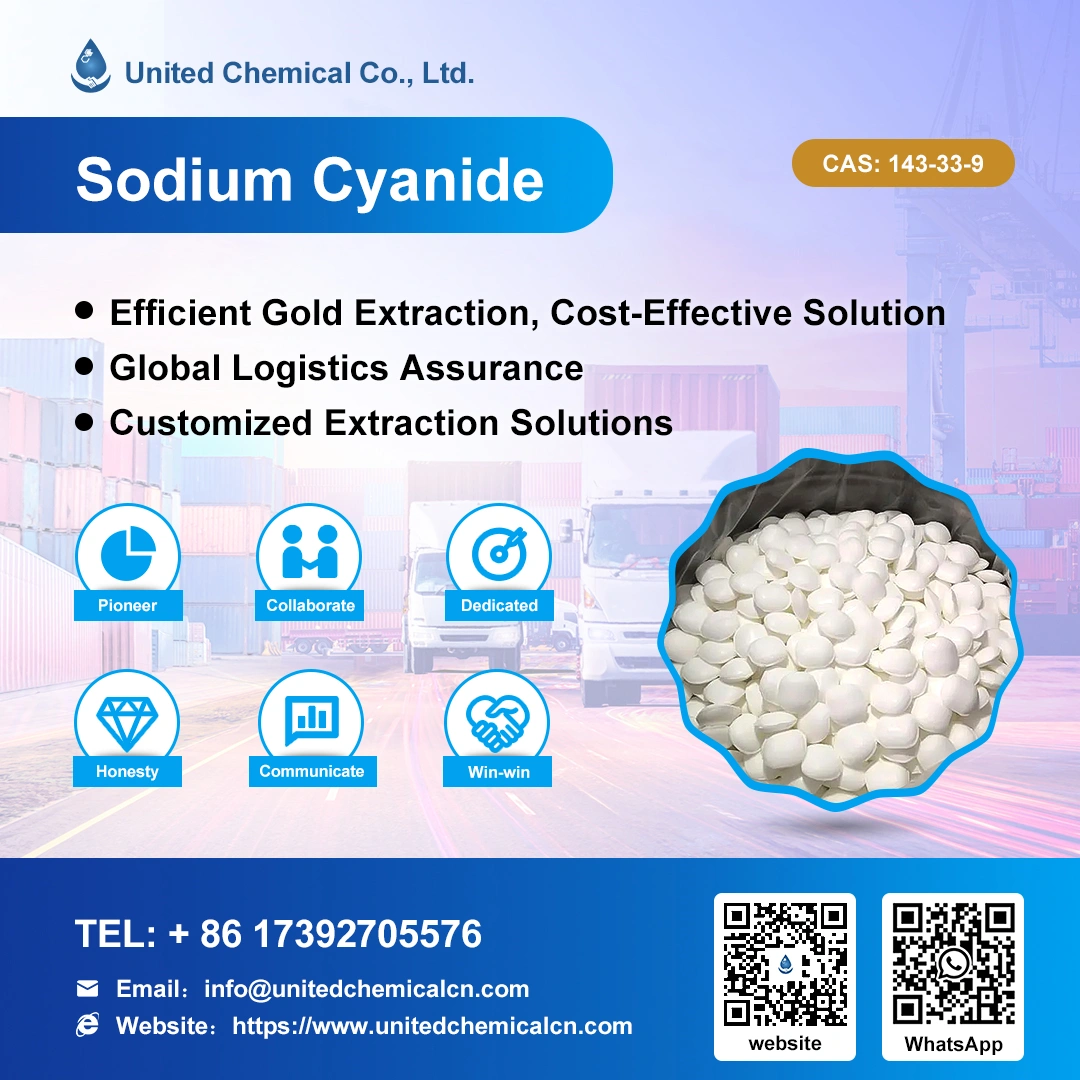
AuCyan™ Sodium Cyanide NaCN (≥98.3%)
Delivering aggressive gold dissolution rates with packaging engineered specifically for the intense humidity of equatorial Africa.
Verified ≥98.3% Purity: For hard-rock deposits in the DRC and Cameroon, high-purity AuCyan™ guarantees rapid leaching kinetics, effectively accelerating production cycles in your CIL and Vat leaching circuits.
Tropical-Grade Maritime Packaging: To combat the Congo Basin's moisture, our NaCN is sealed in heavy-duty, UN-certified steel drums featuring extra-thick, hermetically heat-sealed PVC liners. This guarantees the briquettes remain perfectly dry and chemically potent from the factory to your jungle site.
📊Technical Specification: The 98.3% Purity Standard
Surpassing industry benchmarks, our latest production batches consistently achieve "Superior Quality" grades. Below is the certified performance data (Ref: Batch C050030HS251101).
| Testing Items | Standard (GB/T 19306-2003) | AuCyan™ (Typical) | Operational Impact |
|---|---|---|---|
| Sodium Cyanide (NaCN) | ≥ 98.0% | 98.3% | Maximum gold dissolution kinetics and recovery rates. |
| Sodium Hydroxide (NaOH) | ≤ 0.5% | 0.13% | Superior pH stability; prevents premature hydrolysis. |
| Sodium Carbonate (Na2CO3) | ≤ 0.5% | 0.18% | Minimized impurity interference in the leaching solution. |
| Moisture (H2O) | ≤ 0.9% | 0.3% | Enhanced solid stability during long-term storage and sea transit. |
| Insoluble Substances | ≤ 0.05% | 0.02% | Anti-clogging formula; protects critical pumps and nozzles. |
AuCarb™ Gold Recovery Coconut Shell Activated Carbon (≥99% Hardness)
The essential adsorbent for Central Africa's highly weathered, clay-rich ores where standard Carbon simply falls apart.
Indestructible ≥99% Hardness: When processing high-viscosity lateritic slurries, mechanical abrasion is fierce. AuCarb™ is subjected to rigorous activation, ensuring it resists breakdown in CIL/CIP agitators, eliminating gold losses caused by carbon fines washing into tailings.
Versatile Adsorption Kinetics: Whether utilized in dense CIL tanks or layered in Carbon-in-Column (CIC) recovery trains following a Heap Leach, AuCarb™ delivers unparalleled gold-loading capacity and fast elution characteristics.
📊 AuCarb™ Series: Core Parameters Intuitive Comparison Table
To facilitate a more intuitive selection process tailored to your specific metallurgy circuit, we have summarized the core technical parameters of our four flagship AuCarb™ variants.
| Core Testing Parameter | AuCarb™ BC1100 | AuCarb™ AC50 | AuCarb™ AC55 | AuCarb™ AC60 |
|---|---|---|---|---|
| Market Benchmarking Positioning | Conventional Heap Leach / High Cost-Performance | Comparable product: Jacobi G208AS | Comparable product: Jacobi G209AS | Advanced choice for Large Scale / Comparable: Jacobi G210AS |
| Apparent Density | 0.40 - 0.50 g/ml | 0.48 - 0.55 g/ml | 0.45 - 0.55 g/ml | 0.45 - 0.55 g/ml |
| Ball-pan Hardness | ≥ 98.5% | ≥ 99% | ≥ 99% | ≥ 99% |
| Platelet Content | ≤ 5% | ≤ 5% | ≤ 5% | ≤ 5% |
| Attrition | ≤ 2% | ≤ 1.5% | ≤ 2% | ≤ 2% |
| Total Ash Content | ≤ 5% | ≤ 3% | ≤ 3% | ≤ 3% |
| Moisture | ≤ 10% | ≤ 5% | ≤ 5% | ≤ 5% |
| Adsorption Capacity (K Value) | / | ≥ 26 Kg/t | ≥ 28 Kg/t | ≥ 30 Kg/t |
| Adsorption Rate (R Value) | / | ≥ 50% | ≥ 55% | ≥ 60% |
| Iodine Number | ≥ 1100 mg/g | / | / | / |
| Butane Activity | / | ≥ 19.5% | ≥ 21% | ≥ 23% |
| CTC (Carbon Tetrachloride Activity) | / | ≥ 50% | ≥ 55% | / |
* Execution Standards: Complies with American ASTM standards and A.A.R.L. internal mining testing standards. The product has passed third-party inspection and test samples can be provided upon request.
AuLeach™ Gold Leaching Agent (GDA) - Non-Hazardous
The strategic choice for operations navigating complex regulatory environments or situated in sensitive tropical ecosystems.
Completely Non-Hazardous:AuLeach™ fundamentally transforms plant safety. By eliminating the extreme risks of traditional toxins, it drastically simplifies import licensing, port handling, and cross-border transport across nations like Cameroon and CAR.
Optimized for Heap & Vat Leaching: It demonstrates excellent permeability and steady extraction rates when applied to Heap Leaching pads or static Vat Leaching setups. Operating effectively at a standard alkaline pH (10.5-11.5), it requires zero modification to your existing plant design.
Expert Maritime Logistics to Central Africa (CIF / FOB)
Supplying multiple nations in Central Africa requires precision and compliance. United Chemical focuses purely on delivering your cargo safely to the designated international maritime gateways.
Reliable FOB & CIF Execution: We manage bulk sea freight via premium ocean carriers directly to primary regional ports, including the Port of Douala (Cameroon), Port of Matadi (DRC), and Port of Pointe-Noire (Congo Rep.).
Seamless Port Handover: We provide pristine, IMDG-compliant export documentation for all shipments. This ensures that once the cargo arrives at the destination port, your local clearing agents can process customs efficiently and arrange the final inland transport to your specific mining concession.
Validate Performance in Your Own Lab
Whether you are running a Heap Leach pad in Cameroon or a CIL plant in the DRC, optimal chemistry is key. We invite regional Metallurgists and Procurement Managers to request complimentary samples of AuCyan™, AuCarb™, or AuLeach™ for independent column or bottle-roll testing.
Request Free Test Samples Today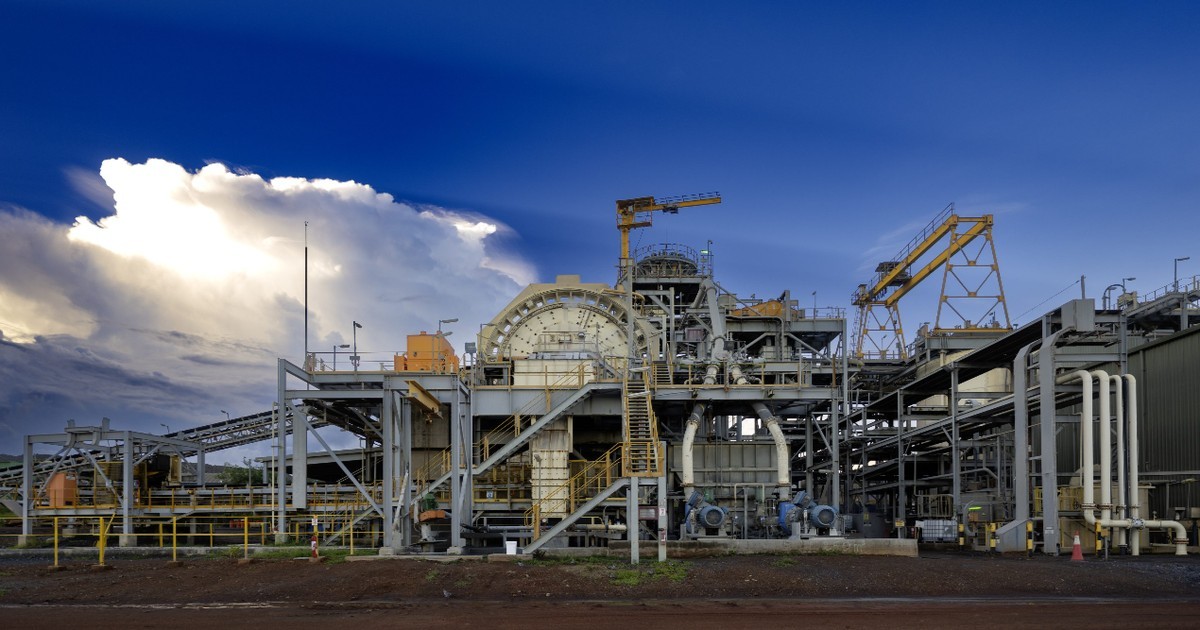
Frequently Asked Questions: Central Africa Gold Recovery
1. Which Central African ports do you service under CIF terms?
We maintain robust shipping routes and execute CIF (Cost, Insurance, and Freight) deliveries to major regional gateways, notably the Port of Douala (Cameroon), Port of Matadi (DRC), and Port of Pointe-Noire (Congo Rep.). Your local agents manage clearance from there.
2. Is AuLeach™ effective for large-scale Heap Leaching projects?
Absolutely. AuLeach™ Gold Leaching Agent (GDA) provides excellent chemical stability over prolonged periods, making it highly effective for Heap Leaching. It continuously dissolves gold from oxide ores in the heap while maintaining a completely non-hazardous environmental profile.
3. Why is AuCarb™ essential for processing lateritic ores in the Congo Basin?
Lateritic ores contain extreme levels of clay, resulting in abrasive, high-density CIL slurries. AuCarb™ Coconut Shell Activated Carbon features a verified ≥99% hardness, giving it the physical strength necessary to resist abrasion and prevent the creation of gold-bearing carbon fines.
4. Does AuLeach™ require different equipment for Vat Leaching?
No capital expenditure is required to switch. AuLeach™ functions seamlessly as a direct substitute in existing Vat Leaching setups. It operates identically to traditional chemicals within a standard pH range of 10.5 to 11.5.
5. How does the ≥98.3% purity of AuCyan™ impact CIL residence time?
The guaranteed ≥98.3% purity of AuCyan™ Sodium Cyanide NaCN ensures an optimal concentration of active lixiviant in the tank. This maximizes the kinetics of gold dissolution, which can effectively reduce the required residence time in the CIL circuit and increase daily throughput.
6. Can AuLeach™ simplify importation into countries like DRC or Gabon?
Yes. Because AuLeach™ is classified internationally as a non-hazardous chemical, it bypasses the stringent security, escort, and special licensing requirements usually mandated for toxic dangerous goods, significantly accelerating your procurement cycle.
7. How does AuCyan™ packaging prevent degradation in extreme rainforest humidity?
We utilize multi-barrier tropical packaging. AuCyan™ is sealed inside heavy-gauge, airtight PVC liners which are then enclosed in UN-approved steel drums. This guarantees zero moisture penetration during sea transit and long-term storage in the humid Congo Basin.
8. Is AuCarb™ suitable for Carbon-in-Column (CIC) applications following Heap Leaching?
Yes, it performs exceptionally well. The highly developed macroporous structure of AuCarb™ allows it to rapidly adsorb gold complexes from the pregnant leach solution (PLS) as it passes through the CIC cascade, capturing maximum value from the heap.
9. How can our plant engineers arrange testing of these reagents?
Simply contact our export team to request a free sample kit. We will dispatch lab-scale quantities of AuCyan™, AuCarb™, or AuLeach™ to your metallurgical laboratory in Central Africa so your team can perform direct evaluations against your specific ore profile.
- Random Content
- Hot content
- Hot review content
- Caustic soda Flakes NaOH 96%-99% Sodium hydroxide
- Calcium Peroxide 60% Assay Yellowish Tablet
- Featured Poducts Sodium Cyanide
- Copper Sulfate Monohydrate (CuSO4-H2O) Powder (Cu:34% Min)
- What role do mining chemicals play in the mining industry?
- Are there specific regulations for the use of mining chemicals?
- How do I assess the economic viability and effectiveness of mining chemicals?
- 1Discounted Sodium Cyanide (CAS: 143-33-9) for Mining - High Quality & Competitive Pricing
- 2Sodium Cyanide 98.3% CAS 143-33-9 NaCN gold dressing agent Essential for Mining Chemical Industries
- 3China's New Regulations on Sodium Cyanide Exports and Guidance for International Buyers
- 4Sodium Cyanide (CAS: 143-33-9) End user certificate (Chinese and English version)
- 5International Cyanide(Sodium cyanide) Management Code - Gold Mine Acceptance Standards
- 6China factory Sulfuric Acid 98%
- 7Anhydrous Oxalic acid 99.6% Industrial Grade
- 1Sodium Cyanide 98.3% CAS 143-33-9 NaCN gold dressing agent Essential for Mining Chemical Industries
- 2High Purity · Stable Performance · Higher Recovery — sodium cyanide for modern gold leaching
- 3United Chemical's Research Team Demonstrates Authority Through Data-Driven Insights
- 4AuCyan™ High-Performance Sodium Cyanide | 98.3% Purity for Global Gold Mining
- 5Digital Electronic Detonator(Delay time 0~ 16000ms)
- 6High-strength, High-precision Shock Tube Detonator
- 7industry Electric Detonator


Online message consultation
Add comment: