
Introduction
The electroplating industry plays a significant role in modern industry. Many tools in our daily lives are electroplated, which not only enhances their aesthetic appearance but also effectively delays rusting and other issues. Electroplating industry features diverse production processes, resulting in different types of wastewater discharges. These include acid and alkali pre-treatment wastewater, cyanide-containing wastewater from cyanide copper plating, copper-containing wastewater, nickel-containing wastewater, chromium-containing wastewater, and other heavy metal wastewaters. To treat these wastewaters, the chemical agent sodium sulfide is often utilized. This article will explore the effectiveness of sodium sulfide in treating electroplating wastewater.
Properties of Sodium Sulfide
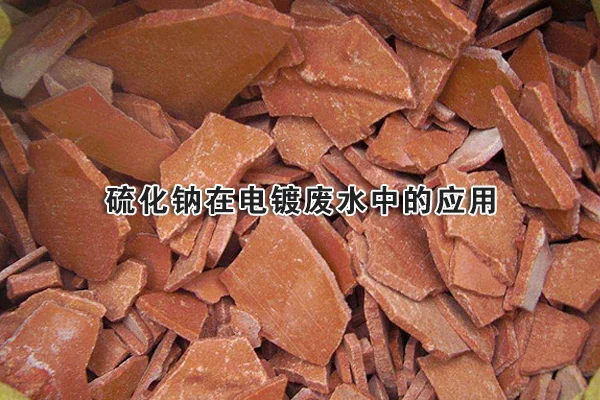
Sodium sulfide, also known as smelly alkali, smelly soda, yellow alkali, red alkali, or sulfide alkali, is an inorganic compound. It has a strong hygroscopic property and is highly soluble in water. Its aqueous solution is strongly alkaline and can cause burns when it comes into contact with skin and hair, thus the name sulfide alkali.
Applications in Electroplating Wastewater Treatment
Sodium sulfide is effective in treating various metal pollutants in electroplating wastewater. It can handle not only copper in electroplating wastewater but also pollutants such as chromium, zinc, lead, nickel, and cyanide. When dealing with complex copper wastewater, a common approach is to add ferrous sulfate or other reducing substances under acidic conditions to break the complex. Then, adjust the pH to alkaline and add sodium sulfide. This process can reduce the amount of sodium sulfide used and prevent the formation and release of hydrogen sulfide gas under acidic conditions.
For free heavy metal wastewater, sodium sulfide can be directly added for treatment. However, for complex heavy metal wastewater, a pre-treatment to break the complex is required. Sodium sulfide hydrolyzes and reacts with complex heavy metal wastewater to form sulfide precipitates with very low solubility. These sulfide precipitates are not easily soluble even under acidic conditions. Therefore, using sodium sulfide to treat complex heavy metal wastewater has the advantages of low cost and good stability.
Considerations in the Use of Sodium Sulfide
One of the common issues in using sodium sulfide is the dosage. If the dosage is too low, the copper removal effect is not satisfactory. If the dosage is too high, it can darken the water body and increase the COD to a certain extent, polluting the water. To address this, before using sodium sulfide, it is necessary to adjust the pH value of the water to around 9. Additionally, conducting a beaker test in advance to determine the appropriate dosage can help avoid poor treatment effects or an increase in the COD content in the water.
Conclusion
Sodium sulfide has good treatment effects on heavy metal wastewaters from various industries such as printed circuit boards, metal smelting, electroplating, and dyeing. However, when using it to treat electroplating wastewater, we need to pay attention to the dosage and treatment process to maximize its advantages in treating wastewater while minimizing potential negative impacts. By carefully controlling these factors, sodium sulfide can be a valuable tool in the effective treatment of electroplating wastewater, contributing to environmental protection and sustainable development in the electroplating industry.
- Random Content
- Hot content
- Hot review content
- Sodium Sulfide Industry Grade 60% 30ppm/150ppm Yellow/ Red Flakes Na2s
- Barium carbonate 99% powder
- Di(ethylene Glycol) Vinyl Ether
- Sodium alpha olefin sulfonate (AOS)
- Ethyl alcohol /Ethanol 99.5%
- Carboxymethyl Cellulose (CMC) Food Grade
- Industrial/Food Grade 58/60 Fully/Semi Refined Slab Paraffin
- 1Discounted Sodium Cyanide (CAS: 143-33-9) for Mining - High Quality & Competitive Pricing
- 2Sodium Cyanide 98.3% CAS 143-33-9 NaCN gold dressing agent Essential for Mining Chemical Industries
- 3China's New Regulations on Sodium Cyanide Exports and Guidance for International Buyers
- 4Sodium Cyanide (CAS: 143-33-9) End user certificate (Chinese and English version)
- 5International Cyanide(Sodium cyanide) Management Code - Gold Mine Acceptance Standards
- 6China factory Sulfuric Acid 98%
- 7Anhydrous Oxalic acid 99.6% Industrial Grade
- 1Sodium Cyanide 98.3% CAS 143-33-9 NaCN gold dressing agent Essential for Mining Chemical Industries
- 2High Purity · Stable Performance · Higher Recovery — sodium cyanide for modern gold leaching
- 3Nutritional Supplements Food Addictive Sarcosine 99% min
- 4United Chemical's Research Team Demonstrates Authority Through Data-Driven Insights
- 5AuCyan™ High-Performance Sodium Cyanide | 98.3% Purity for Global Gold Mining
- 6Digital Electronic Detonator(Delay time 0~ 16000ms)
- 7High-strength, High-precision Shock Tube Detonator


Online message consultation
Add comment: