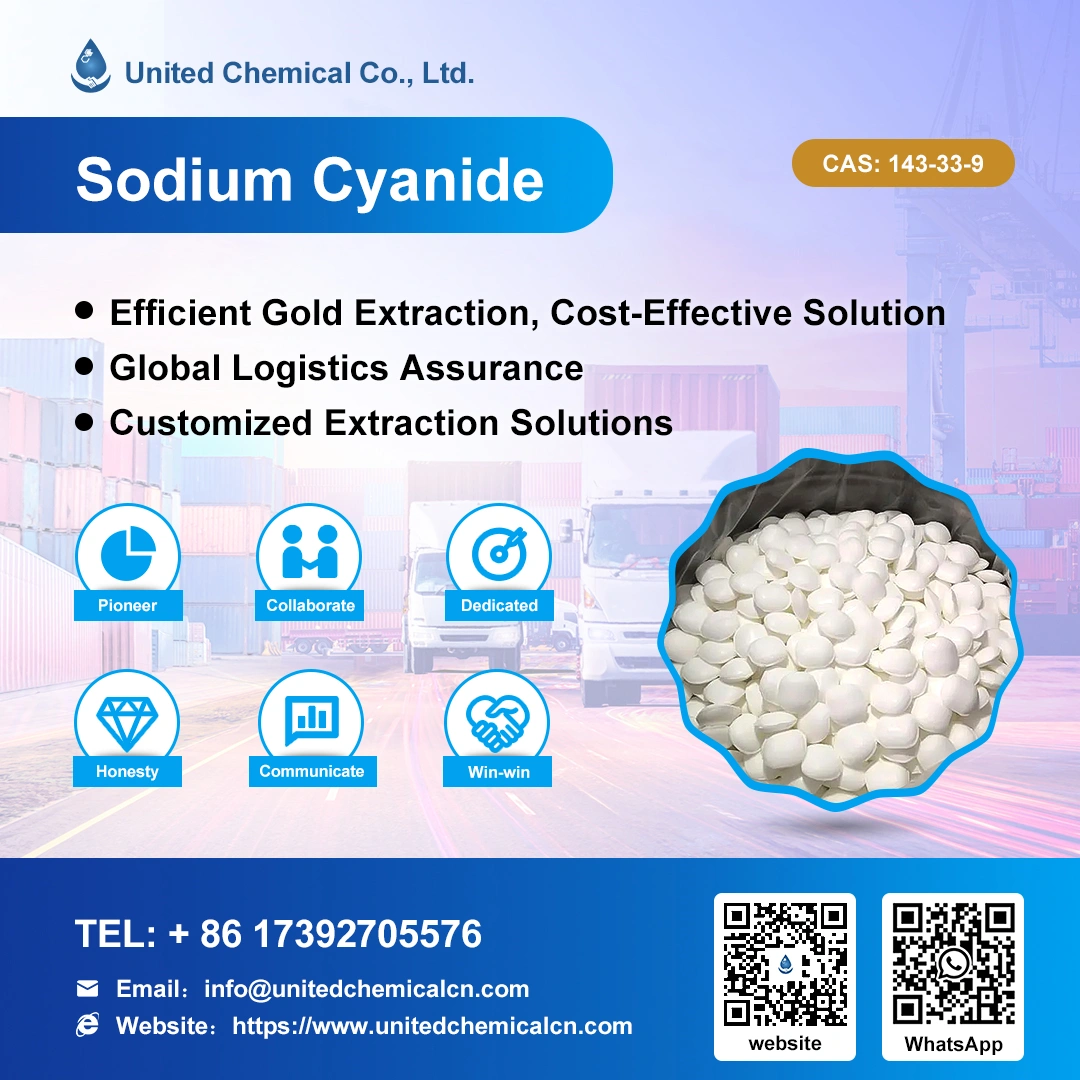

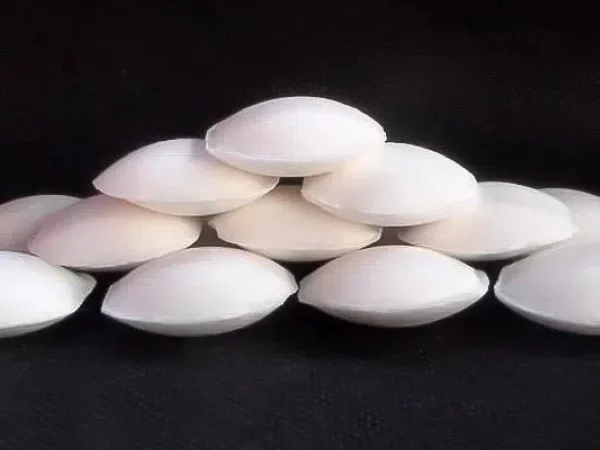
In the realm of gold extraction, sodium cyanide stands as a cornerstone reagent, playing a pivotal role in the industry. But what makes it so indispensable? Let's explore the reasons behind its widespread use.
1. Chemical Reactivity
Sodium cyanide's effectiveness in gold extraction is primarily due to its unique chemical properties. Gold, in its native form, is relatively inert and does not readily react with most common substances. However, when Sodium Cyanide is introduced into the extraction process, it reacts with gold in the presence of oxygen and water to create a soluble gold-cyanide compound. This reaction transforms the insoluble gold particles into a soluble state, allowing for easy separation from the ore matrix. This ability to form stable and soluble compounds with gold is a key factor in the extensive use of Sodium cyanide in gold mining.
2. Efficiency and Purity
One of the major advantages of using sodium cyanide in gold extraction is its high efficiency. Cyanide leaching can achieve a high degree of gold recovery, often extracting up to 90% or more of the gold present in the ore, depending on the ore characteristics. Compared to some other extraction methods, such as MERCURY amalgamation, cyanide leaching is more effective in extracting gold from a wide variety of ore types, including low-grade ores.
Moreover, the gold-cyanide compound formed during the leaching process can be further processed to obtain high-purity gold. Through subsequent steps like precipitation with zinc or electrolysis, the gold can be recovered in a relatively pure state, meeting the high - quality requirements of the jewelry, electronics, and investment markets.
3. Cost - effectiveness
From an economic perspective, sodium cyanide offers cost - effectiveness. Although sodium cyanide itself is a toxic substance, its production and procurement costs are relatively reasonable compared to alternative reagents that could potentially be used for gold extraction. Additionally, the cyanidation process has been well - established and optimized over decades. The infrastructure and equipment required for cyanide leaching are relatively standardized, reducing the need for expensive, specialized technology. This means that mining companies can achieve efficient gold extraction at a relatively low cost per unit of gold produced, making it an attractive option in the highly competitive gold mining industry.
4. Established Infrastructure and Familiarity
The gold mining industry has been using sodium cyanide for gold extraction for over a century. As a result, there is a well - developed infrastructure around the use of sodium cyanide. Mining companies have access to a reliable supply chain for sodium cyanide, from production to transportation and storage.
Furthermore, mining engineers, technicians, and workers are highly familiar with the cyanidation process. They are trained in handling sodium cyanide safely, operating the leaching equipment, and managing the overall extraction process. This accumulated knowledge and expertise make it easier for mining operations to implement and maintain the cyanidation process, reducing the learning curve and potential risks associated with adopting new and untried extraction methods.
5. Adaptability to Different Ore Types
Sodium cyanide - based extraction methods are highly adaptable to a wide range of gold ore types. Whether it is free - milling ores where gold is relatively easily liberated from the host rock, or more complex refractory ores that require additional pretreatment steps, cyanide leaching can be adjusted and optimized. For refractory ores, methods such as roasting, pressure oxidation, or bio - oxidation can be combined with cyanide leaching to break down the ore structure and expose the gold to the cyanide solution, enabling effective extraction. This versatility makes sodium cyanide a preferred choice for mining companies dealing with diverse ore deposits.
However, it's important to note that while sodium cyanide offers significant advantages in gold extraction, its use also raises serious environmental and safety concerns due to its high toxicity. As a result, the industry is constantly researching and developing alternative extraction methods and improving safety protocols to minimize the risks associated with sodium cyanide use while still meeting the global demand for gold.
- Random Content
- Hot content
- Hot review content
- QUALITY MANAGEMENT SYSTEMCERTIFICATE
- Triethanolamine(TEA)
- butyl vinyl ether
- 97% 2-Hydroxypropyl methacrylate
- Food Additive E330 Citric acid monohydrate
- What are the storage and handling precautions for mining chemicals?
- surfactant Nonylphenol Ethoxylate Used For Detergent
- 1Discounted Sodium Cyanide (CAS: 143-33-9) for Mining - High Quality & Competitive Pricing
- 2Sodium Cyanide 98.3% CAS 143-33-9 NaCN gold dressing agent Essential for Mining Chemical Industries
- 3China's New Regulations on Sodium Cyanide Exports and Guidance for International Buyers
- 4Sodium Cyanide (CAS: 143-33-9) End user certificate (Chinese and English version)
- 5International Cyanide(Sodium cyanide) Management Code - Gold Mine Acceptance Standards
- 6China factory Sulfuric Acid 98%
- 7Anhydrous Oxalic acid 99.6% Industrial Grade
- 1Sodium Cyanide 98.3% CAS 143-33-9 NaCN gold dressing agent Essential for Mining Chemical Industries
- 2High Purity · Stable Performance · Higher Recovery — sodium cyanide for modern gold leaching
- 3Nutritional Supplements Food Addictive Sarcosine 99% min
- 4United Chemical's Research Team Demonstrates Authority Through Data-Driven Insights
- 5AuCyan™ High-Performance Sodium Cyanide | 98.3% Purity for Global Gold Mining
- 6Digital Electronic Detonator(Delay time 0~ 16000ms)
- 7High-strength, High-precision Shock Tube Detonator






Online message consultation
Add comment: