
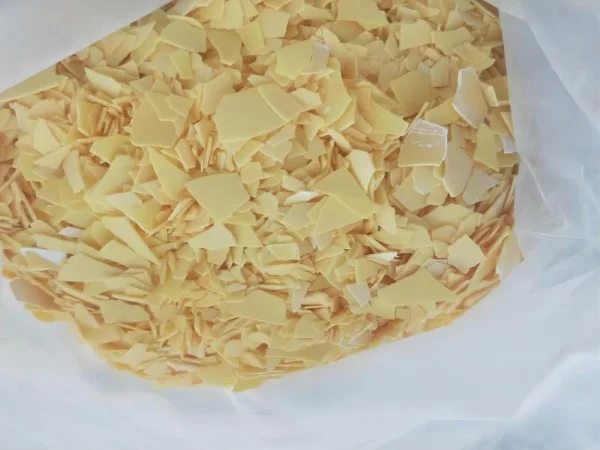
In the field of Mineral processing, flotation is a widely used method for separating valuable minerals from gangue. Sodium sulfide plays a crucial role in this process, mainly being used to adjust the pH value of the pulp, sulfidize, depress, and strip the surface of minerals. Its interactions with Collectors, Frothers, and Regulators are complex and significantly impact the efficiency and selectivity of flotation.
Interactions with Collectors
Influence on Sulfide Mineral Collectors
For commonly used collectors for sulfide minerals such as xanthates and dithiophosphates, when the dosage of Sodium sulfide is appropriate, it can enhance the hydrophobicity of the sulfide mineral surface, enabling collectors to adsorb better on the mineral surface and improving the floatability of minerals. However, when sodium sulfide is in excess, it will form a hydrophilic film on the surface of sulfide minerals, hindering the adsorption of collectors and thus playing an inhibitory role. For instance, in the flotation of copper-sulfur ore, an appropriate amount of sodium sulfide can promote the collection of chalcopyrite by xanthate, while an excessive amount will inhibit the flotation of chalcopyrite.
Influence on Oxide Mineral Collectors
In the flotation of oxide minerals, sodium sulfide can sulfidize the surface of oxide minerals, allowing them to be collected by sulfide mineral collectors. For example, when using fatty acid collectors to float cerussite, sodium sulfide first sulfidizes the surface of cerussite and then interacts with the fatty acid collector, improving the flotation effect of cerussite.
Interactions with Frothers
Sodium sulfide itself has no foaming property, but it can affect the properties of the pulp and the surface state of minerals, thereby influencing the foaming effect of frothers. An appropriate amount of sodium sulfide makes the surface hydrophobicity of minerals suitable, which is conducive to the attachment of bubbles to minerals, improving the aeration effect and foam stability of frothers. However, an excessive amount of sodium sulfide will disperse the fine slime in the pulp, increase the pulp viscosity, cause the foam to become sticky, and affect the stability and fluidity of the foam, which is not conducive to the scraping of the flotation foam and the separation of the concentrate.
Interactions with Other Regulators
Synergistic Effect with pH Regulators
Sodium sulfide hydrolyzes to be alkaline and can synergistically act with other pH regulators such as lime and sodium Carbonate to jointly adjust the pH value of the pulp. For example, in the flotation of lead-zinc ore, sodium sulfide and lime are often used in combination to keep the pulp alkaline, inhibit impurity minerals such as pyrite, and improve the flotation selectivity of lead-zinc ore.
Interactions with Depressants
Sodium sulfide has similar inhibitory effects to some depressants such as cyanide and water glass. In some cases, they can be used in combination to enhance the inhibitory effect. For example, in the flotation of copper-lead-zinc polymetallic ore, the combined use of sodium sulfide and cyanide can strengthen the inhibition of sphalerite and pyrite, achieving the effective separation of copper-lead from zinc-sulfur. However, attention should be paid to controlling the dosage and addition sequence; otherwise, excessive inhibition may occur, affecting the recovery rate.
Interactions with Activators
Sodium sulfide has an activation effect on some inhibited minerals and can be used in combination with activators. For example, in the flotation separation of sulfide copper-lead ore, galena inhibited by cyanide can be activated by sodium sulfide and then collected by ethyl thionocarbamate to achieve the separation of copper and lead. At the same time, sodium sulfide may also affect the effect of other activators. For example, an excessive amount of sodium sulfide may consume the active ions in the pulp, reducing the activation effect of activators.
In conclusion, understanding the interactions of sodium sulfide with other reagents in the flotation process is of great significance for optimizing the flotation process, improving the recovery rate and grade of valuable minerals, and reducing the cost of mineral processing. Mineral processing engineers need to carefully adjust the dosage and addition sequence of various reagents according to the specific properties of the ore to achieve the best flotation results.
- Random Content
- Hot content
- Hot review content
- Polyethylene Glycol PEG - 2000/4000/6000/8000 alcohol ethoxylate surfactant
- Oxalic acid for mining 99.6%
- Seismic Electric Detonator(Anti static,Water Resistance)
- Food Grade Heavy Light Precipitated Calcium Carbonate Powder Granular 99%
- Hydrogen Peroxide
- Sodium Metasilicate Pentahydrate
- Zinc sulfate monohydrate 98% Industrial & Feed Grade
- 1Discounted Sodium Cyanide (CAS: 143-33-9) for Mining - High Quality & Competitive Pricing
- 2Sodium Cyanide 98.3% CAS 143-33-9 NaCN gold dressing agent Essential for Mining Chemical Industries
- 3China's New Regulations on Sodium Cyanide Exports and Guidance for International Buyers
- 4Sodium Cyanide (CAS: 143-33-9) End user certificate (Chinese and English version)
- 5International Cyanide(Sodium cyanide) Management Code - Gold Mine Acceptance Standards
- 6China factory Sulfuric Acid 98%
- 7Anhydrous Oxalic acid 99.6% Industrial Grade
- 1Sodium Cyanide 98.3% CAS 143-33-9 NaCN gold dressing agent Essential for Mining Chemical Industries
- 2High Purity · Stable Performance · Higher Recovery — sodium cyanide for modern gold leaching
- 3Nutritional Supplements Food Addictive Sarcosine 99% min
- 4Sodium Cyanide Import Regulations & Compliance – Ensuring Safe and Compliant Importation in Peru
- 5United Chemical's Research Team Demonstrates Authority Through Data-Driven Insights
- 6AuCyan™ High-Performance Sodium Cyanide | 98.3% Purity for Global Gold Mining
- 7Digital Electronic Detonator(Delay time 0~ 16000ms)




Online message consultation
Add comment: